If you live in the Valley, you already know the sun here isn’t shy. By late morning, those west-facing windows can feel like a space heater, and your AC is doing overtime. That’s where Window Solar Screens step in—quietly, simply, and surprisingly well. For Phoenix homeowners who want cooler rooms, lower bills, and less glare, they’re a small change with a big daily payoff. You know what? They make summer feel manageable.
So, what exactly are window solar screens?
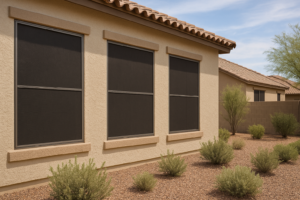
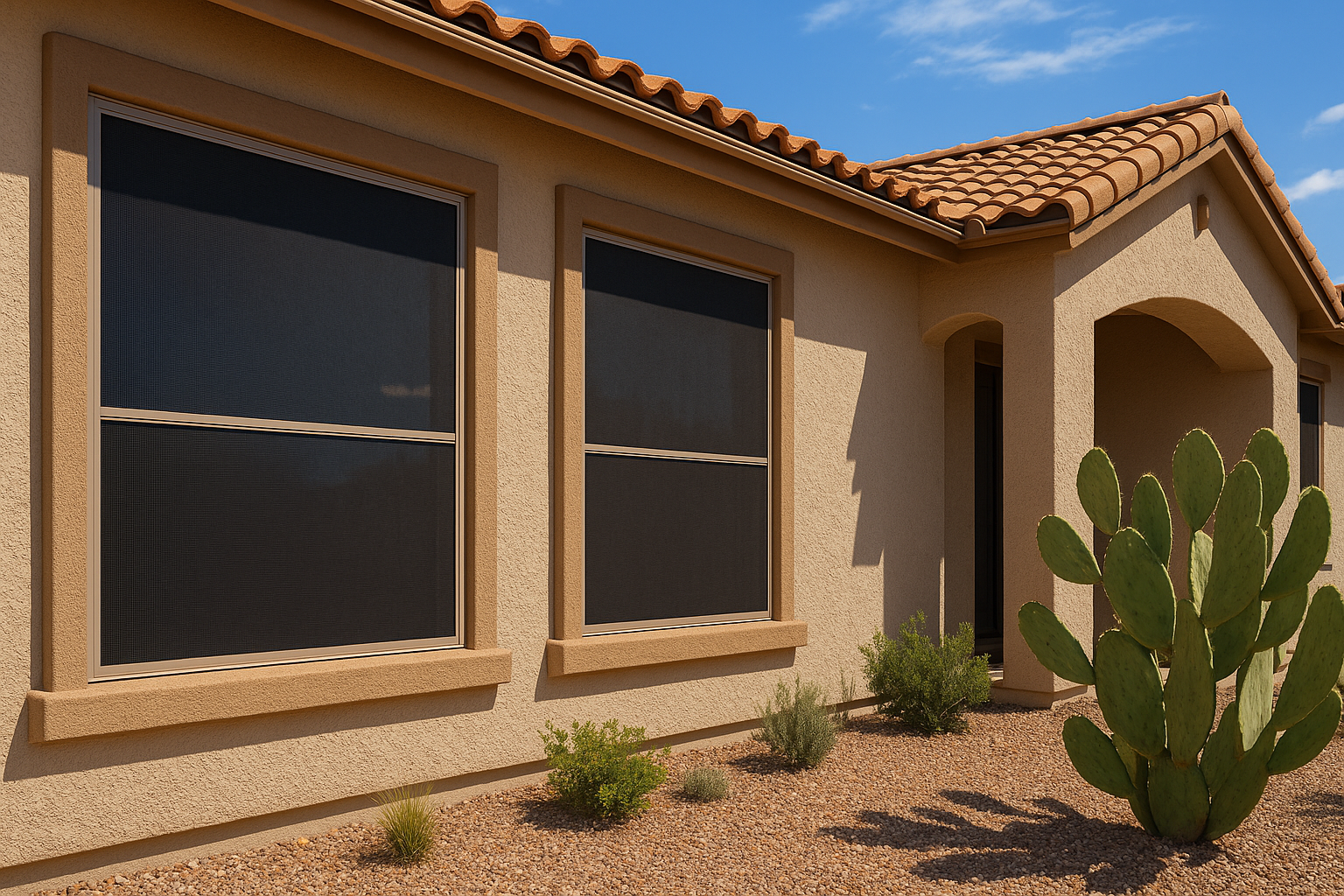
Think of **solar screens for windows** as high-performance shade cloth mounted on a sturdy aluminum frame. The mesh is engineered to block the harshest portion of sunlight—particularly the UV and infrared wavelengths that heat up your home—while still letting you see out. You’ll hear numbers like 80 or 90. That’s the density, as in SunTex 80 or SunTex 90, and it tells you how much sun it blocks.
Brands Phoenix homeowners trust include Phifer SunTex and Twitchell Textilene. Both use PVC-coated polyester that stands up to brutal heat and monsoon winds. It looks like a regular screen, but it’s tougher and more purposeful.
Here’s the thing: regular Insect Screens are made to keep bugs out. Solar screens are made to keep radiant heat out. You still get airflow when the window is open and, yes, they keep the bugs away too.
Why they’re a must-have in a Phoenix summer
The Valley’s sunlight is intense—beautiful, sure, but relentless. Solar screens take the brunt of the heat before it passes through your glass, which dramatically reduces indoor heat gain. That changes how your home feels by midafternoon, and it changes what your power bill looks like in July.
- Cooler rooms, fewer hot spots. Blocking 80–90 percent of solar heat can drop the temperature in sun-exposed rooms by several degrees. That west-facing family room finally becomes usable at 4 p.m.
- Lower energy bills. With less radiant heat sneaking in, your AC cycles less. Many Phoenix homeowners see meaningful kWh reductions during peak months.
- Glare control without closing blinds. Watch TV or work on a laptop without that harsh bounce off the screen—blinds stay open, views stay intact.
- Furniture and flooring protection. UV protection means less fading on wood, art, rugs, and leather. Your décor ages slower. Simple win.
- Daytime privacy. From the street, it’s harder to see in; from the inside, you can still see out. It feels calm, not cave-like.
Is it all sunshine and roses? Not exactly. Solar screens slightly dim a room. But the light becomes softer, and the trade-off—cooler air and less glare—usually feels worth it the instant your AC stops running like a freight train.
Numbers that matter: comfort and energy
Let me explain with a quick example. Say you’ve got 200 square feet of west-facing glass (a couple of sliders and a few tall windows). Add SunTex 90, and you can see a 2–6°F reduction in late-day indoor temps in those rooms. That kind of drop means your system’s compressor isn’t hammering away during peak hours. For homes on SRP or APS plans, especially with demand charges, every reduced cycle counts.
A quick cheat sheet on screen types and what you feel:
| Mesh Type | Heat/Glare Block | View/Light Inside |
|---|---|---|
| SunTex 80 (or Textilene 80) | Strong reduction; solid for most exposures | Brighter interiors, good daytime views |
| SunTex 90 (or Textilene 90) | Maximum reduction for harsh sun | Darker but comfortable, fewer hot spots |
| Patio Slider Panels | Similar to above, larger coverage | Great for sliding doors and big openings |
One more local note: SRP has historically offered a Shade Screen Rebate for qualifying homes and contractors. Program details change, so check the current SRP program page or ask us about participating requirements. A little paperwork can mean real savings.
Questions Phoenix homeowners ask all the time
Do solar screens make rooms too dark?
Not too dark—just less harsh. SunTex 80 keeps things brighter; SunTex 90 dials down the blaze when you’ve got a punishing exposure. Many homeowners mix types: 90 on west and south, 80 on north and east. Simple and balanced.
Will they void my window warranty?
Generally, no. They mount over the window frame, not to the glass, so there’s no seal interference like some films can cause. Still, if your windows have a very specific warranty, we’ll review it together and recommend the safest route.
Are they HOA-friendly?
Most HOAs in Phoenix are used to solar screens. We offer neutral frame colors—bronze, tan, black, white—and clean install methods. If you need submittal docs or color samples, Arizona Screen Company can help put that packet together.
How do they handle monsoon season?
They do well. Frames are aluminum, corners are reinforced, and fasteners are placed for wind load. During a big haboob, some homeowners pop off removable screens on upper stories; others leave them. We’ll advise based on your exposure.
Maintenance—what’s the routine?
Very light. Rinse with a hose, let dry. If they’re extra dusty after a storm, use a soft brush with mild soap. No harsh chemicals.
Solar screens vs. window film vs. interior shades
We install solar screens, so yes, we’re biased—but we’re also honest.
- Solar screens stop heat before it hits the glass, which helps most with late-day blasts. They add privacy, are removable, and don’t affect the glass seal.
- Window film can be great for year-round UV control and a clean look. But some films can stress insulated glass, and once it’s on, it’s on. It also doesn’t give you insect protection when you open the windows.
- Interior shades look beautiful, and we love them for style, but they stop light after it passes through the glass. That means a good chunk of heat still enters the room.
Sometimes the best result is a combo: solar screens outside for heat, light-filtering shades inside for style. Not a contradiction—just a layered strategy.
Built for desert life: materials that last
Arizona summers are no joke, so build quality matters. Our frames are powder-coated aluminum with mitered corners and internal steel or metal corner keys. The mesh is a UV-stable, PVC-coated polyester—brands like Phifer SunTex and Textilene—which resists fading, shrinking, and embrittlement.
Mounting options include flush fasteners, turn clips, and track systems for large openings. For sliding doors, we fabricate custom panels that move with the door or mount as stationary sun guards. The spline (the cord that holds the mesh) is UV-rated; it sounds like a small detail, but it’s what keeps tension perfect when the thermometer hits 112.
And color? We carry homeowner-friendly finishes: bronze, tan, black, gray, white. Black usually gives the best view out; tan and bronze blend beautifully with desert palettes.
The Arizona Screen Company install experience
We keep it simple and local.
- Home visit and measuring. We map sun exposure, check frames, and help you choose mesh density by side of house. No guesswork.
- Custom fabrication. Screens are made-to-measure for a snug, clean fit. Arches, circles, and trapezoids are welcome.
- Install day. Most homes finish the same day. We label screens by window for easy removal if you ever want full winter sun.
- Walkthrough and tips. We show you how to remove, clean, and store screens. We also talk about seasonal strategies—like taking them off north windows in December if you want more natural warmth.
- Warranty support. You’ll get straightforward coverage on frames and mesh. If a corner key ever loosens, we’re local and responsive.
Honestly, the number one comment we hear after install? “Why didn’t we do this sooner.”
Pricing: clear, no mystery
Most Phoenix projects land in a comfortable range per square foot, depending on size, mesh density, color, and window style. For typical homes, you might expect something in the ballpark of what many locals see for professional-grade screens installed. Larger sliders, arches, and high-access installs can raise the number a bit; SunTex 90 usually costs a touch more than SunTex 80.
If you’re in SRP territory, ask us about current shade screen rebates and participating contractor requirements—we’ll point you in the right direction and help with the details. Either way, homeowners often find the screens “pay for themselves” over a few Phoenix summers through lower cooling costs and longer-lasting interiors.
Timing tips and a quick homeowner checklist
Phoenix heat ramps up fast. Ordering in spring means you’re ready before that first 105° streak. But if you’re reading this in June, don’t worry—installing mid-summer still brings instant relief.
A short checklist:
- Target the worst offenders first. West and south windows usually get priority.
- Choose your mesh by room use. Home office or media room? SunTex 90. Kitchen or living spaces that you like bright? SunTex 80.
- Match frames to trim. Bronze and tan win for most desert palettes; black gives the best view out.
- Ask about removable vs. fixed. Many homeowners love removable screens for winter light.
Ready for a cooler, calmer home? Let’s talk
If you’re sweating through late afternoons or squinting past glare, **window solar screens in Phoenix** make life easier—plain and simple. Arizona Screen Company is local, fast, and focused on the details that matter when the pavement’s shimmering and the AC hums non-stop.
Call us at 480-771-2543 and talk through your windows with a real person. Or if you prefer, Request a Free Quote and we’ll schedule a quick on-site measure. Either way, we’ll help you pick the right screens, the right look, and the right plan for your home.