
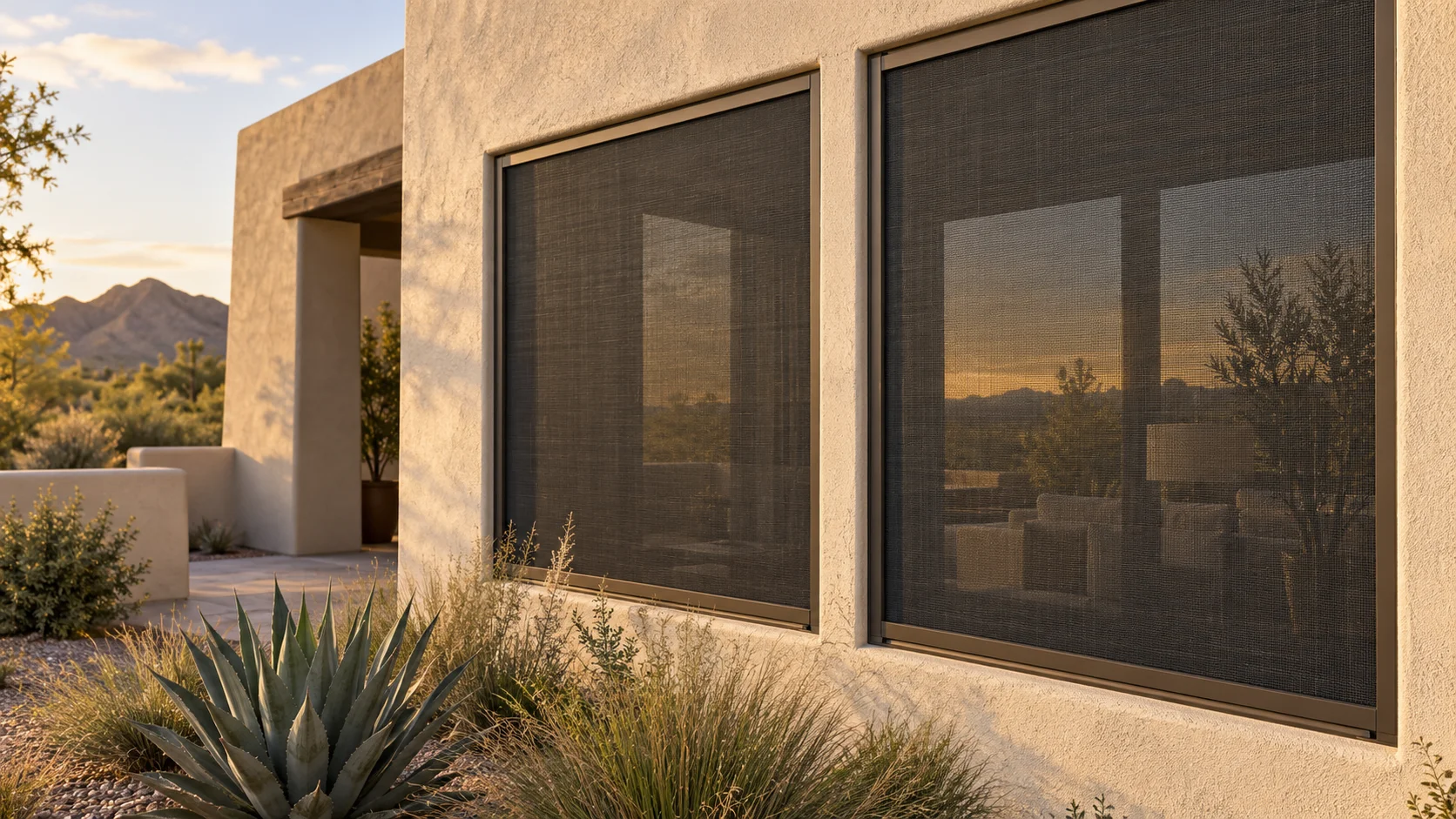
Window Solar Screens
Custom Solar Screens in Phoenix
Keep the view you enjoy. Reduce harsh sunlight at the glass. Choose exterior solar screens measured for the windows you actually have.
Fit, materials, and the way you use the space
Shade before the sunlight reaches the room.
Solar screens are removable exterior mesh panels fitted over windows. Their job is solar shading, not replacing the glass or changing the window’s seal. They can help with bright workspaces, sun-facing rooms, and glare that makes a room less pleasant to use.
Before choosing a fabric, consider the direction the window faces, the time of day the room becomes uncomfortable, how much daylight you want to keep, and what the view looks like from inside. The right answer may be different for two rooms in the same home.
Installation is provided by Arizona Screen Techs. An on-site estimate gives the team a chance to check the frame, mounting surface, unusual shapes, and cleaning access before a final screen is made.
- Sun-facing residential and commercial windows
- SunTex 80/90 fabric selection
- Custom frame measurements and mounting
- Frame-condition and cleaning-access assessment
SunTex 80 versus SunTex 90
The confirmed solar-screen range uses Phifer SunTex 80 and SunTex 90. The denser fabric generally provides more shading, while the more open option can leave a brighter outward view. Compare actual samples in your room instead of choosing by the product number alone.
The published SunTex technical sheet lists approximate openness of 25% for SunTex 80 and 10% for SunTex 90. Openness is the space in the weave. It is not the same as UV blockage, visible-light transmission, or a percentage saving on your energy bill. The sheet reports those properties separately.
Mesh color and frame finish are different choices
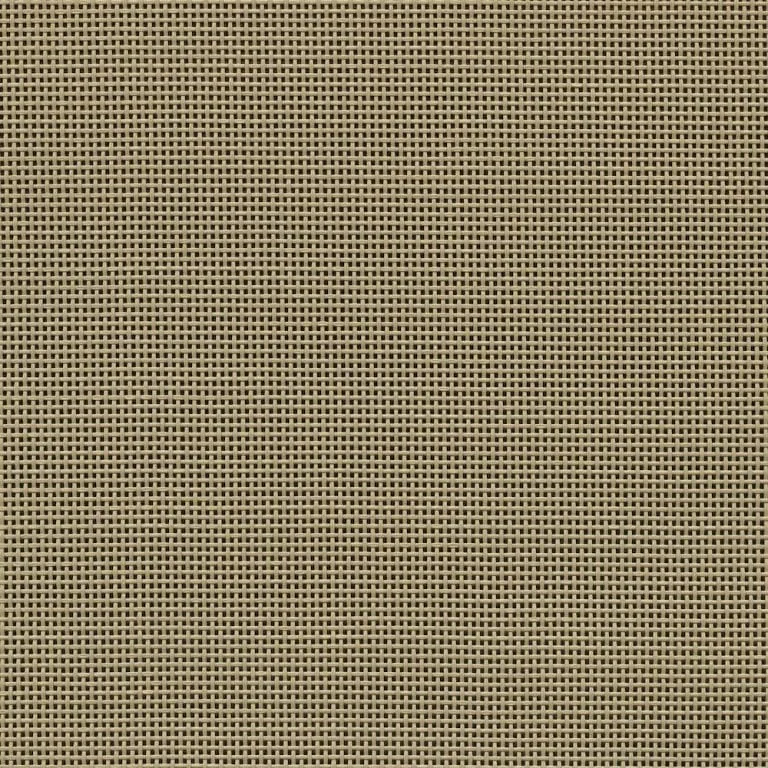
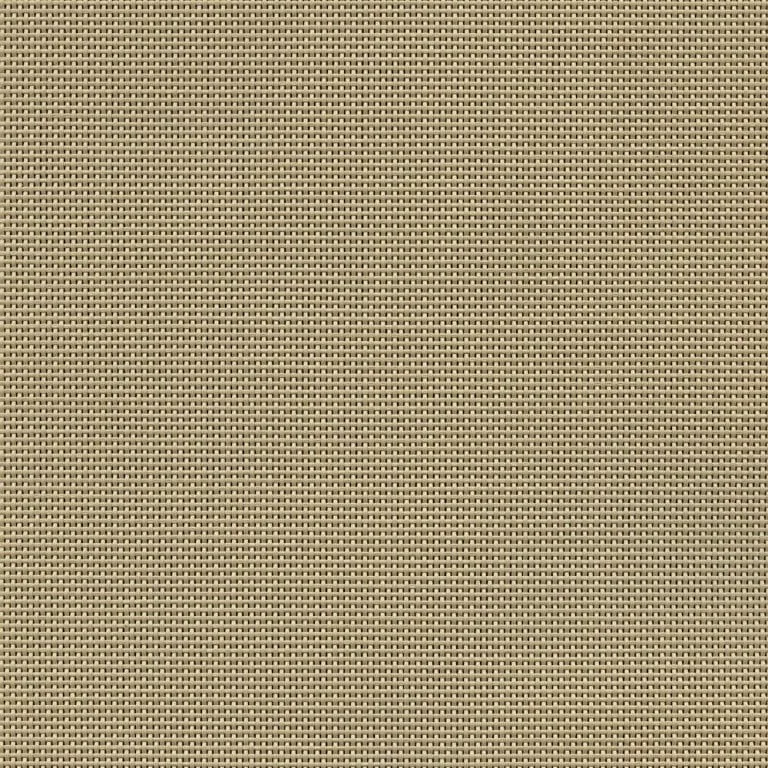
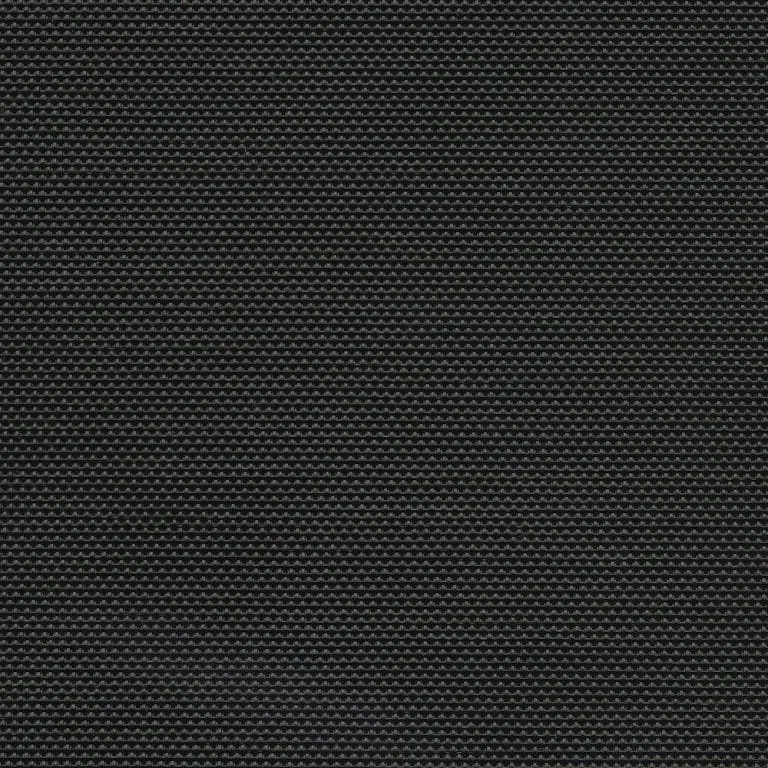
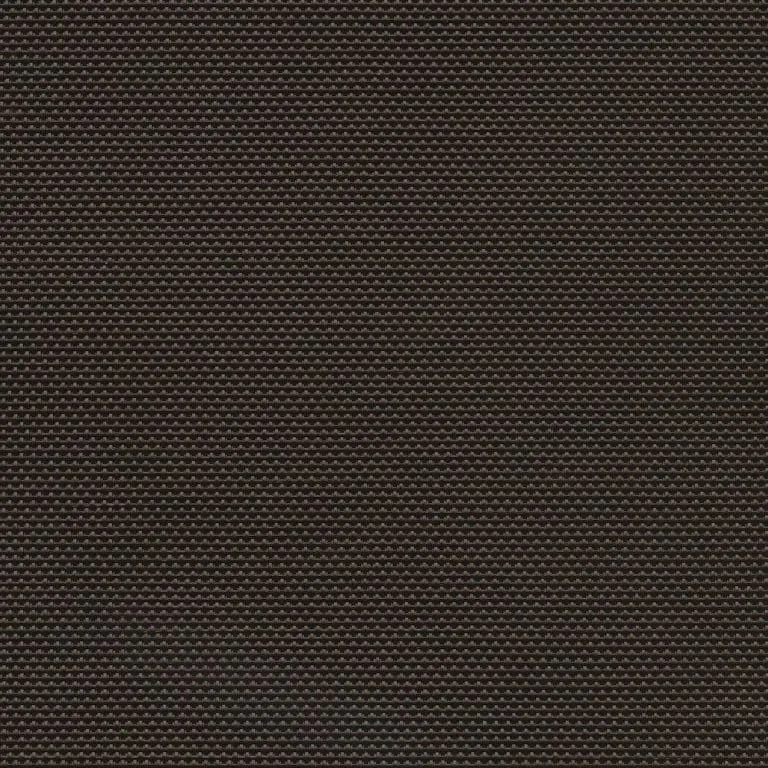
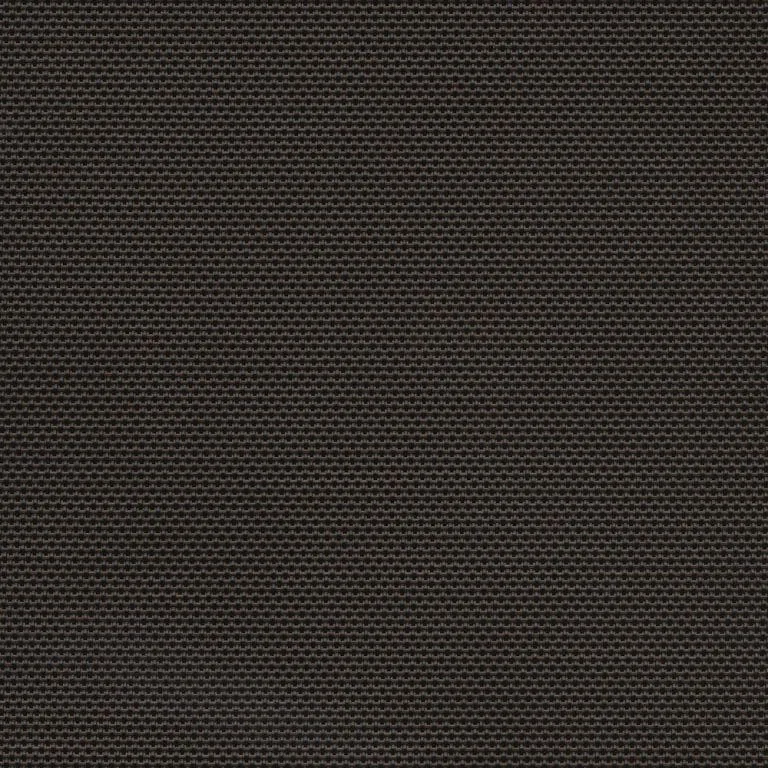
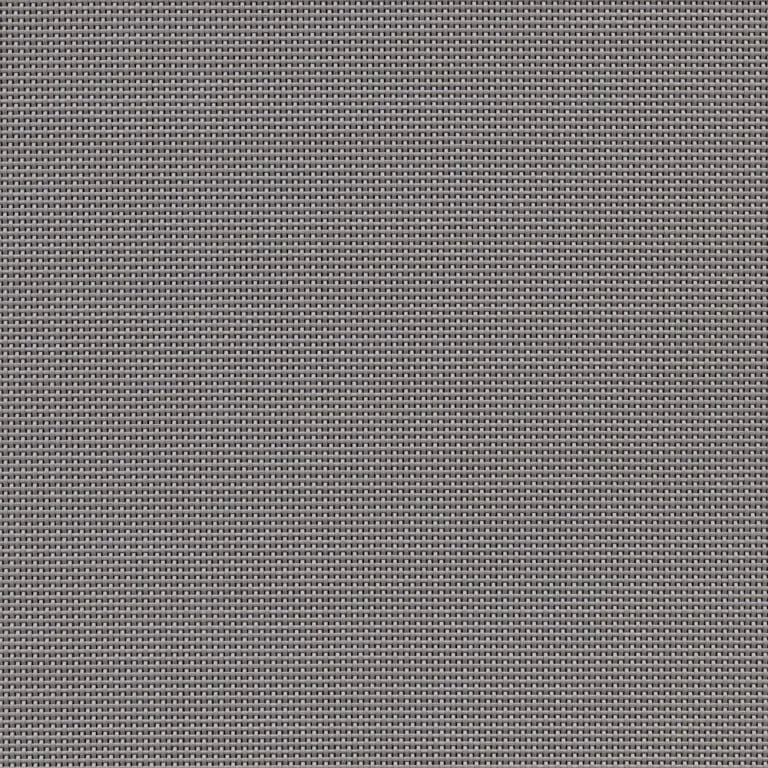
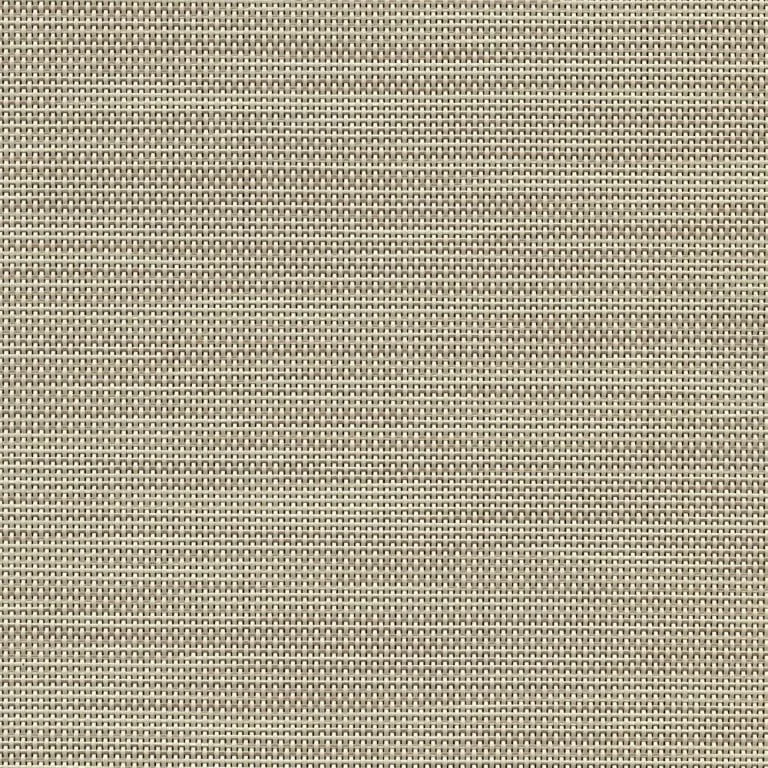
The existing SunTex palette includes beige, black, brown, dark bronze, grey, and stucco. The fabric and the surrounding frame need to work together with your trim and exterior. The swatches below show mesh samples, not a promise that every frame finish is available in every size.
View the sample through the glass and from outside. Phone screens, brightness settings, and photographs can shift a color. If an HOA or property manager approves exterior changes, get that approval before fabrication.
A custom fit matters on shaped and larger windows
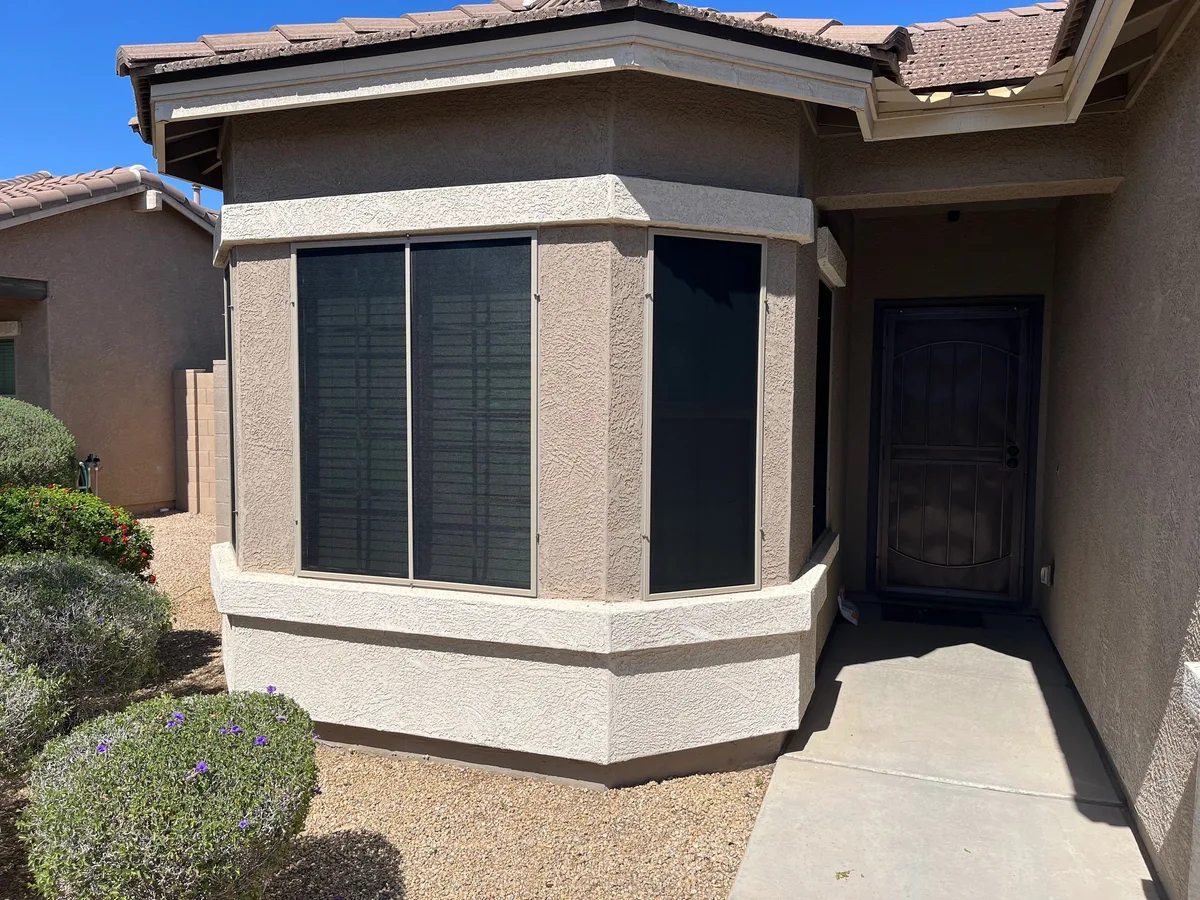
An accurate opening measurement is only part of the work. Frame depth, attachment points, existing trim, and how the panel will be removed all affect the installation. Arched or shaped windows need their own assessment.
Second-story openings also change access and maintenance. Do not assume that a large or high window can use the same mounting approach as a small ground-floor opening. Tell the team about access restrictions during the estimate request.
Privacy, visibility, and energy expectations
Screening can make the daytime view into a room less clear, but lighting conditions matter. When the room is brighter than the outdoors after dark, privacy can change. Keep a separate nighttime privacy plan where it is important.
Exterior shading can reduce solar heat gain. It does not establish a particular thermostat change or bill saving for your home. Glass type, existing shade, window direction, insulation, HVAC operation, and occupant habits all influence the result. DOE’s window-attachment research treats those variables separately.
Cleaning and long-term use
Ask how the completed panel is detached and refitted. Routine cleaning should suit the exact fabric and frame. Mild soap and water are the starting point described in the existing product information; avoid harsh chemicals or pressure that could damage the screen.
Check the mesh, corners, attachments, and fit when cleaning. Repairing a small problem early can be more sensible than waiting for a loose frame or damaged corner to become a replacement project.
Compare what matters
Useful choices.
No one-size-fits-all answer.
Bring the decision back to your opening, the way it is used, and the exact product proposed in the estimate.
| Decision | SunTex 80 | SunTex 90 |
|---|---|---|
| Weave openness in published data | Approximately 25% | Approximately 10% |
| General balance | More open weave; compare daylight and view | Denser weave; compare stronger shading |
| Mesh colors shown in current library | Beige, black, brown, dark bronze, grey, stucco | Beige, black, brown, dark bronze, grey, stucco |
| Choose using | An actual sample at your window | An actual sample at your window |
| Energy result | Not a fixed bill-saving percentage | Not a fixed bill-saving percentage |
See the mesh, not just the name
SunTex fabric colors.
These mesh samples come from the existing product library. Compare an actual sample before ordering; screens and photographs are not exact color matches.
SunTex 80 mesh samples
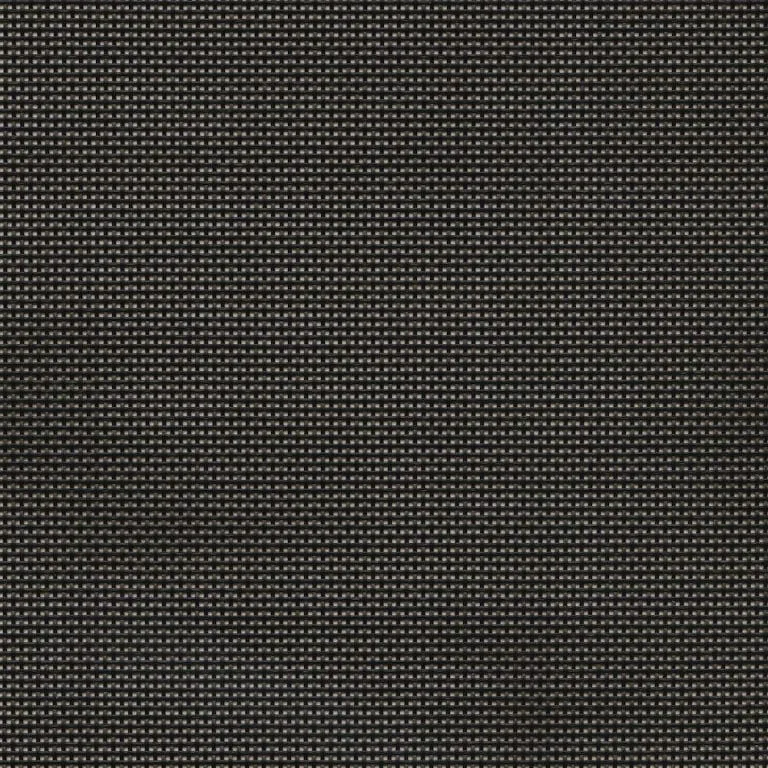
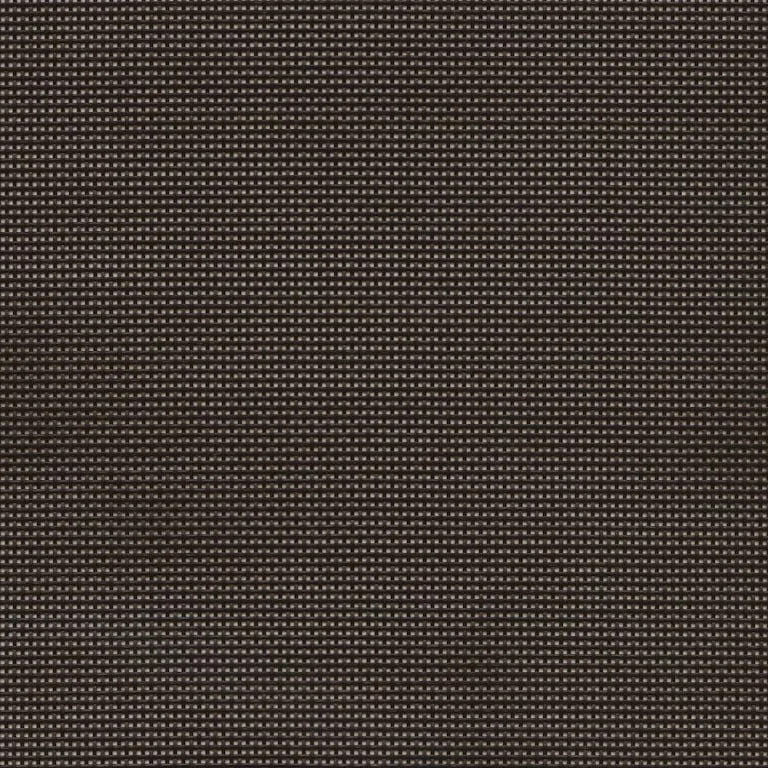
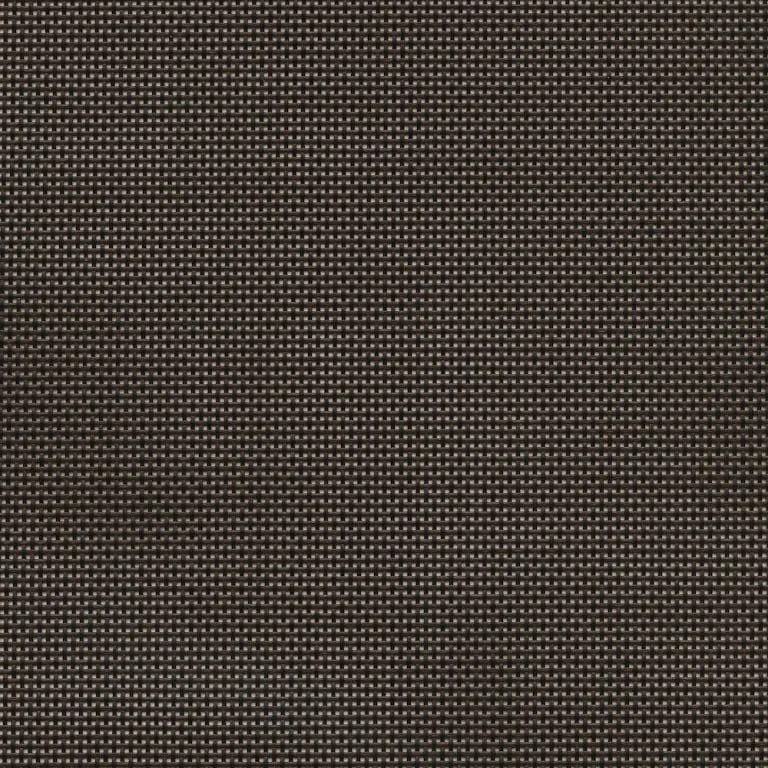
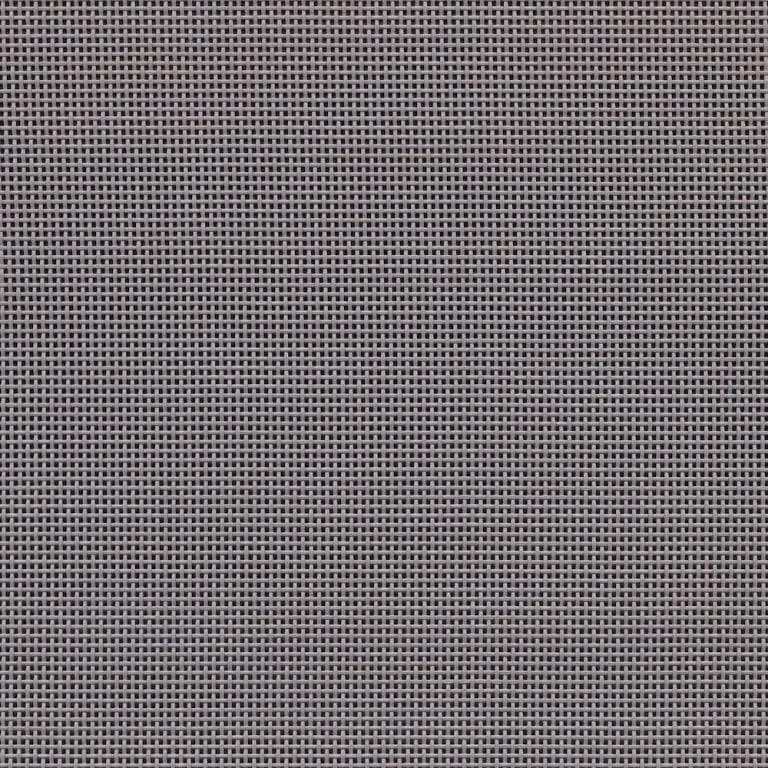
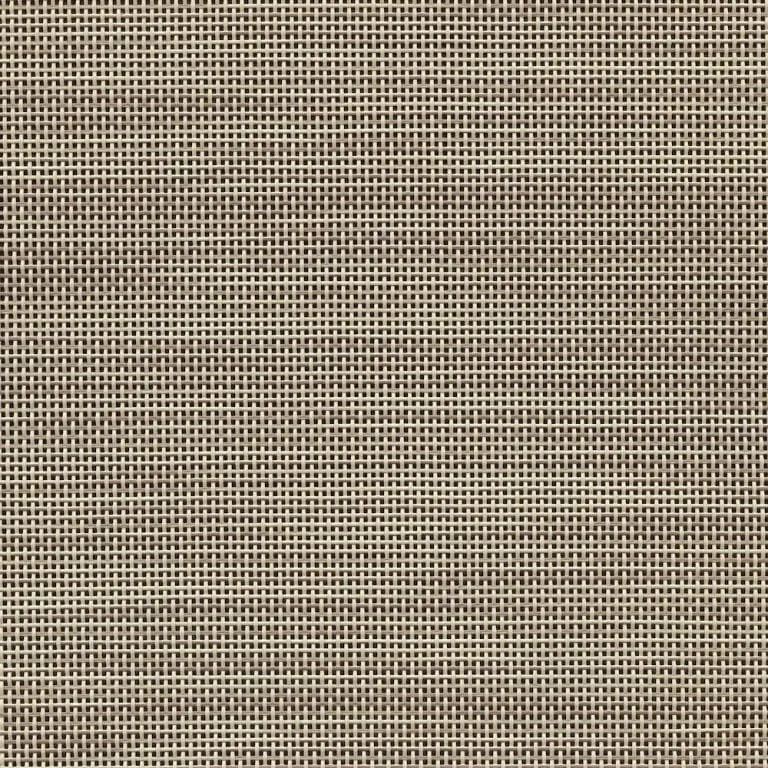
SunTex 90 mesh samples
Before the final specification
What changes
the estimate?
There is no universal installed price for every opening. A useful estimate defines the materials, dimensions, hardware, access, and installation boundary for your project.
- Number and size of window openings
- Mesh and frame selection
- Existing frame condition
- Shape and mounting requirements
- Ground-floor versus elevated access
Final measurements and product availability are checked before work is arranged. Share approximate dimensions if you know them; exact ordering sizes are not required to start the conversation.
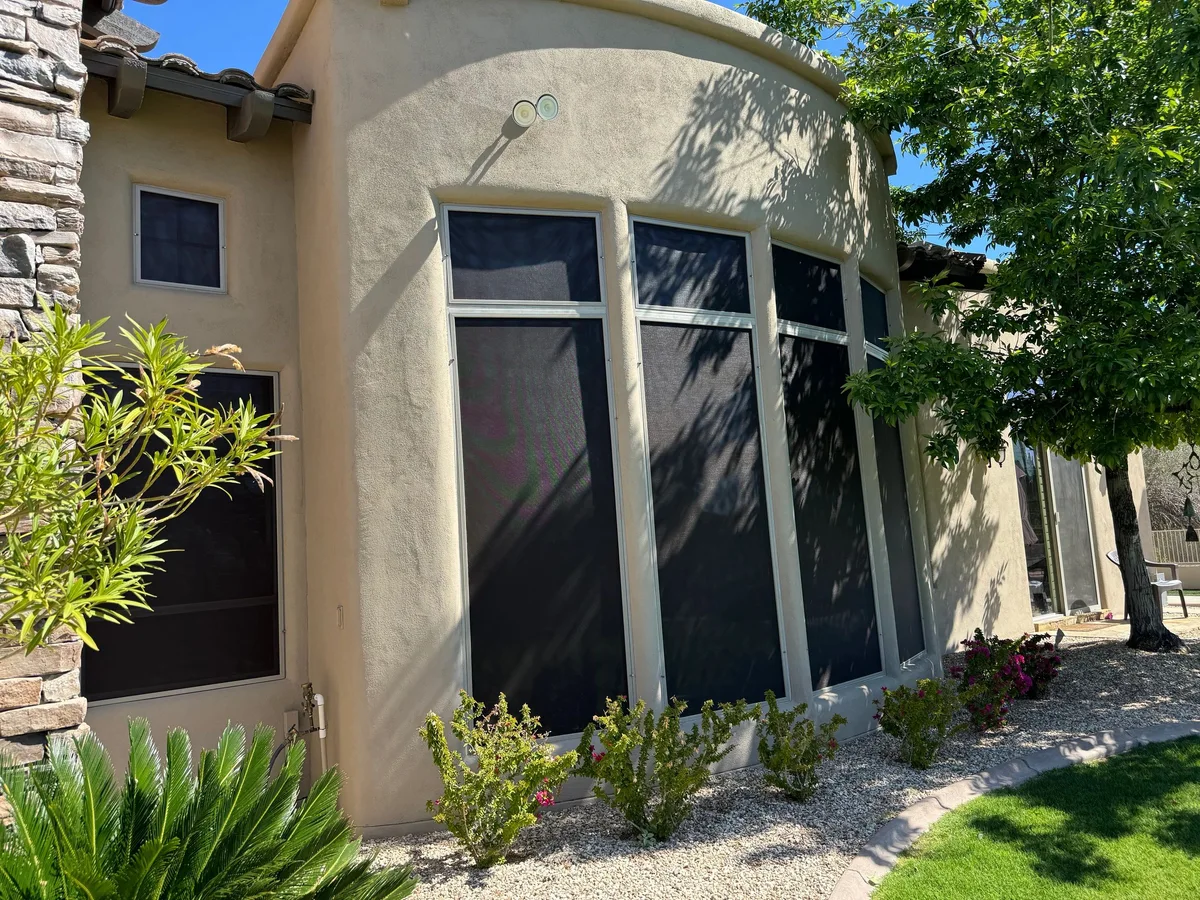
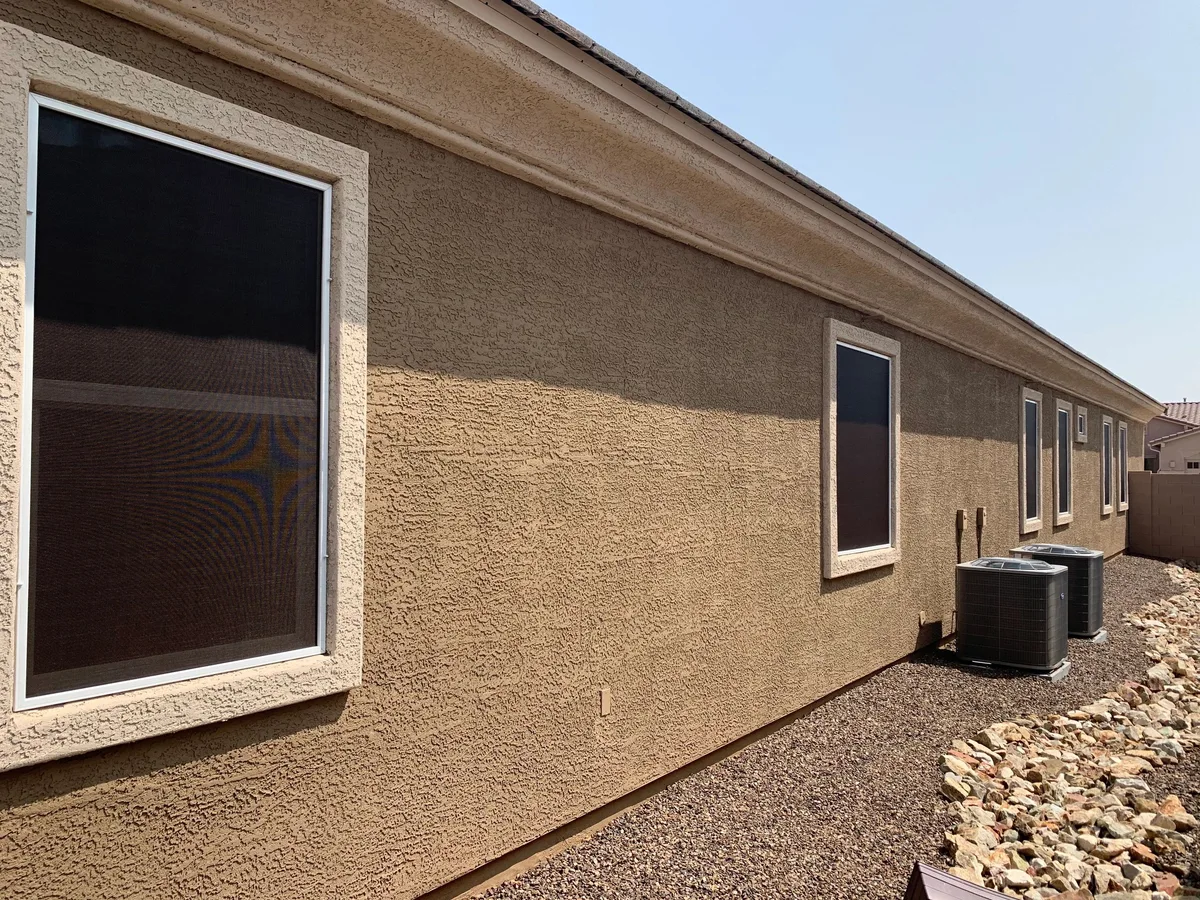
Arizona Screen Techs project photos
A closer look at the work
Before you decide
Clear answers
for your project.
Do I need the same mesh on every window?
Not necessarily. Sun exposure, room use, and daylight preferences can differ. Discuss whether different densities make sense before choosing the final fabrics.
Can you screen an arched or unusually shaped window?
Share the opening and location so the installer can assess it. Shape, frame construction, attachment points, and access are checked before the final scope is confirmed.
Will exterior screens provide privacy at night?
Do not rely on that. Visibility depends on the lighting difference across the screen. Interior curtains, blinds, or another privacy measure may still be needed after dark.
How much will I save on cooling?
A fixed saving cannot be promised from a mesh name. The project assessment can identify where shading is likely to help, but the result depends on the home and how it is used.
Can I replace only the mesh?
If the existing frame is straight, secure, and correctly fitted, rescreening may be possible. Damaged corners or an unsuitable frame may make replacement more sensible.
Start with a conversation
Let's find the right fit.
Tell us what you have in mind. We will help you choose the right screen or shade for your home or business.