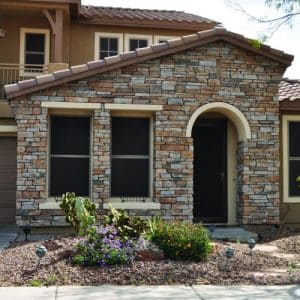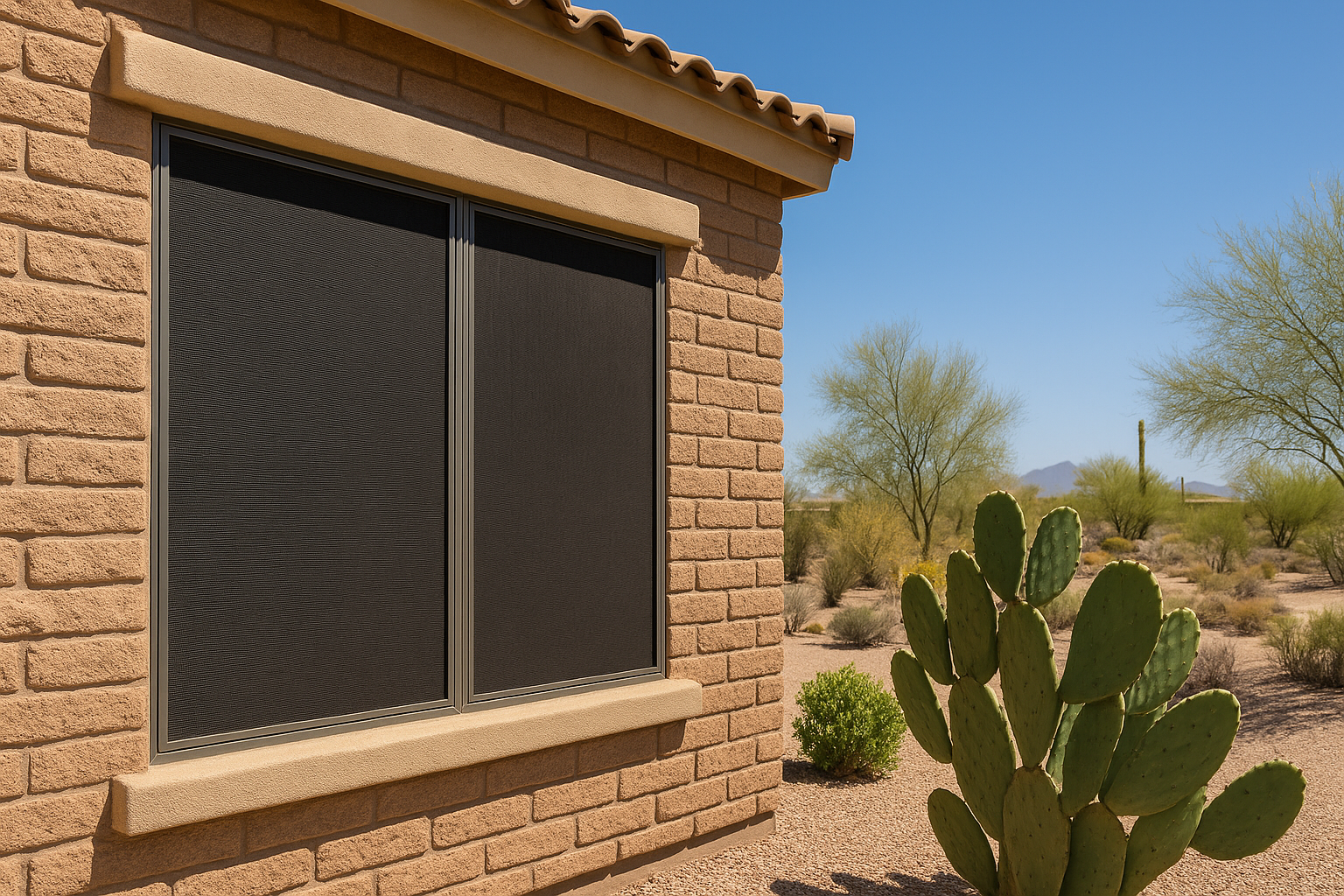
Phoenix sun hits different. By midafternoon, you can feel it on the glass, pushing heat straight into your living room. That’s why so many Valley homeowners add **Window Solar Screens**—they cut glare, cool down rooms, and help your AC breathe a little. But here’s the thing: not every screen material survives our UV, dust, and monsoon winds. If you’re wondering which fabric holds up and which one sags by July, you’re in the right spot.
What actually makes a solar screen work here?
Solar screens work by shading the glass before the sunlight hits it. Less sun on the glass means less heat radiating indoors. Simple idea—smart results. The fabric’s weave and coating control how much light and heat are stopped. You’ll see numbers like 80, 90, or 95. That’s the percentage of sun the screen can block. In Phoenix, that number matters, and direction matters too—west-facing windows soak up the toughest sun.
Let me explain the basics you’ll hear from any pro:
- Shading efficiency. Fabrics labeled **80%**, **90%**, or **95%** reduce solar heat gain at the glass. Higher number, more shade.
- UV protection. Good **solar screen material** blocks most UV that fades flooring and furniture.
- Airflow and view. Tighter weaves give more shade but reduce airflow and slightly dim the view. Trade-offs are normal; the trick is choosing right for each window.
The short list: best materials for Phoenix solar screens
There are many fabrics out there, but Phoenix punishes the weak. We see which ones last. Here’s our honest rundown of the materials that actually hold up across the Valley.
Vinyl-coated polyester (the reigning champ)
Look for brands like **Phifer SunTex 80/90/95** and **Twitchell Textilene 80/90**. These are polyester yarns coated in PVC (vinyl). They’re tough, resist stretching, and shrug off the UV that makes lesser fabrics brittle. If you want the sweet spot for heat reduction, privacy, and durability, this is it.
PVC-coated fiberglass (solid, budget-friendlier)
Fiberglass core with a vinyl coating. It blocks sun well and looks clean, but under extreme heat it can lose tension faster than polyester. We use it when budgets are tight and windows are less exposed.
High-tension polyester mesh (marketed as “pet-resistant” or “SuperScreen”)
Polyester core, sometimes with special UV inhibitors. It’s strong, resists tearing, and does well with pets and monsoon winds. Heat reduction is good, but often not quite as strong as SunTex 90 for west windows—so we place it strategically.
Standard fiberglass insect screen (not a solar screen)
Great for bugs. Not for heat. It sags faster in direct sun and doesn’t block enough UV for serious cooling. We don’t recommend it for solar work in Phoenix.
Quick comparison you can actually use
| Material | Heat/Glare Control | Durability & Notes |
|---|---|---|
| Vinyl-coated polyester (SunTex, Textilene) | 80–95% sun blockage; excellent glare control | Top durability in AZ; resists stretch; great color stability |
| PVC-coated fiberglass | Good sun reduction; decent glare cut | Solid value; can relax faster in extreme heat |
| High-tension polyester mesh (pet-resistant) | Good shade; clearer view than very tight weaves | Very tear-resistant; ideal for pets and breezy exposures |
You know what? When in doubt, **vinyl-coated polyester** wins most Phoenix matchups, especially on big west windows.
Shade density: 80, 90, or 95—what’s right for your rooms?
Those numbers aren’t marketing fluff. You feel the difference.
- 80% Good all-around. Cools rooms while keeping a brighter view. Nice for north or east windows, or if you like natural light.
- 90% Our most common in Phoenix. Serious heat control, better **privacy**, still usable daylight. Perfect for west and south exposures.
- 95% Maximum shade. Great for media rooms or picture windows that roast by 3 p.m. View is dimmer, but the comfort is real.
Here’s the thing: we sometimes mix densities by façade. **80%** on the second story for light, **90%** on west-facing downstairs for comfort. Same house, different needs—easy.
Color talk: black, brown, or lighter tones?
Color changes the feel and the function. Dark colors like black or dark brown absorb light, cut glare, and give the best through-the-screen visibility from inside. Light colors reflect more visible light; they can feel brighter but may cause more daytime reflection at the glass.
- Dark screens reduce glare and improve view-through; popular in Phoenix for a reason.
- Lighter screens can look crisp against some exteriors; heat performance is still strong with SunTex or Textilene, but you’ll notice a bit more reflection.
We also think about fading. Quality solar fabrics are rated for UV and hold their color. In our shop, **Phifer SunTex** and **Textilene** have been reliable on colorfastness across brutal summers.
Frames and hardware: don’t let the fabric do all the work
Honestly, the frame is the unsung hero. With big windows and monsoon gusts, you want strength at the edges, not just in the mesh.
- Extruded aluminum frames beat rolled frames. They resist twist, hold tension, and look cleaner on tall spans.
- Stainless or powder-coated hardware fights corrosion from dust and rain. It also makes removable panels easier to live with.
- Crossbars on oversized openings prevent bowing. We match bar placement to mullions so it looks intentional.
We custom-build to your window, which keeps screens tight and quiet—no flapping, no rattling when the wind kicks up on Bell Road.
Phoenix realities: dust, monsoons, and pets
Valley weather tells the truth fast. A few quick notes from the field:
- Dust storms are screens’ worst enemy. Rinse them a few times each summer. Garden hose, gentle spray, let them dry. That’s enough for most fabrics.
- Monsoon winds test tension. This is where **extruded frames** plus high-quality spline and corners pay off.
- Pets plus shade screens? We steer you toward **high-tension polyester** for doors and low windows. It’s not indestructible, but it’s the toughest everyday mesh we install.
And yes, you’ll still get airflow. Solar screens do breathe—the denser the fabric, the less it flows, but even 90% lets a comfortable breeze through spring and fall.
Cost, rebates, and real-world savings
Prices vary by size, fabric, and hardware. In Phoenix, professionally built **solar screens** with **vinyl-coated polyester** typically cost more than insect screen and less than full window replacement—by a mile. They can pay you back quickly in summer comfort alone, and they often trim your cooling bills.
Heads up on rebates: local utilities sometimes offer shade screen incentives. For example, the SRP Shade Screen Rebate program has run in past seasons for qualifying homes and fabrics rated at 80% or more. Programs change, so check SRP or APS for current details—we can help you confirm eligibility during your quote.
A quick rule of thumb we see from clients: west-facing rooms feel 5–10 degrees cooler on the same thermostat setting when 90% screens go up. That’s the kind of change you actually notice at dinnertime.
Common situations and our go-to picks
- Big west-facing living room windows: **SunTex 90** or **Textilene 90** on extruded aluminum frames. Dark color for clearer view and glare control.
- Strict HOA color rules: **SunTex 80** in brown blends well and keeps rooms bright. Still serious heat knockdown.
- Patio door with pets: High-tension **polyester pet-resistant mesh**. Strong, tidy look, fewer repairs.
- Second-story bedrooms: **80%** for daylight and privacy without a cave-like feel.
- Privacy-first windows: **95%** on bathrooms or street-facing glass; dark color keeps the view manageable by day.
If you’re not sure, we mix and match. The best setup often changes from window to window—Phoenix sun isn’t uniform.
Installation: DIY or call a pro?
We love handy homeowners, but two things push many folks to go pro: precision and longevity. Measuring for perfect tension, squaring frames on stucco, and matching sightlines across a façade—it all shows. A properly built screen looks like original equipment. It also holds up year after year.
With **Arizona Screen Company**, we measure, build, and fit onsite. We match colors, suggest densities based on exposure, and walk you through care. You’ll get the right **solar screen material** for each window, not just a one-size-fits-all pick from a big box bin.
So, which material is “best” for Phoenix?
For most homes, the winner is **vinyl-coated polyester**—think **Phifer SunTex 90** or **Textilene 90**—on **extruded aluminum frames**. It’s strong, stable, and made for long, hot summers. Add **80%** where you want more daylight, **95%** where the sun’s brutal or privacy matters, and swap in high-tension polyester for pet zones and patio doors.
That balance gives you cooler rooms, clearer views, and less fade on your floors. Feels good, looks clean, lasts longer—that’s the goal.
Ready to keep the heat out?
We’ll help you choose the **best materials for window solar screens** for your exact windows and your exact sun exposure. Quick measure, clear pricing, clean install—then enjoy the quiet, cooler rooms.
Call Arizona Screen Company at 480-771-2543 or Request a Free Quote. We serve homeowners all across Phoenix and the Valley, and we build screens that love summer almost as much as you love the AC savings.