Summer in Phoenix doesn’t tiptoe in—it blasts the door open. If your AC feels like it’s sprinting from May through October, you’re not imagining it. Sun hits the glass, the glass radiates heat inside, and your rooms warm up fast. Here’s the thing: you can fight that heat before it ever reaches your living room. That’s where Roll Up Shade Screens come in. They’re simple, good-looking, and surprisingly powerful for cutting energy use while making your home feel calm and comfortable. You know what? They also make your patio usable again—at 3 p.m.—in July. That’s a win.
Contents
- 1 Stop the heat at the glass, not after
- 2 Roll up or fixed—what fits your space?
- 3 The energy math (without the headache)
- 4 See out, stay cool: fabrics and visibility
- 5 Manual or motorized—what’s your move?
- 6 Comfort boosts you’ll feel on day one
- 7 Local stories: where screens make the biggest splash
- 8 Care and longevity in the desert
- 9 Quick FAQ: the lightning round
- 10 Pricing snapshot—no guesswork, just ranges
- 11 Where Arizona Screen Company comes in
- 12 Ready to cool your home without cranking the AC?
Stop the heat at the glass, not after
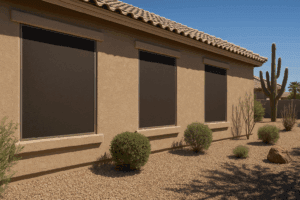
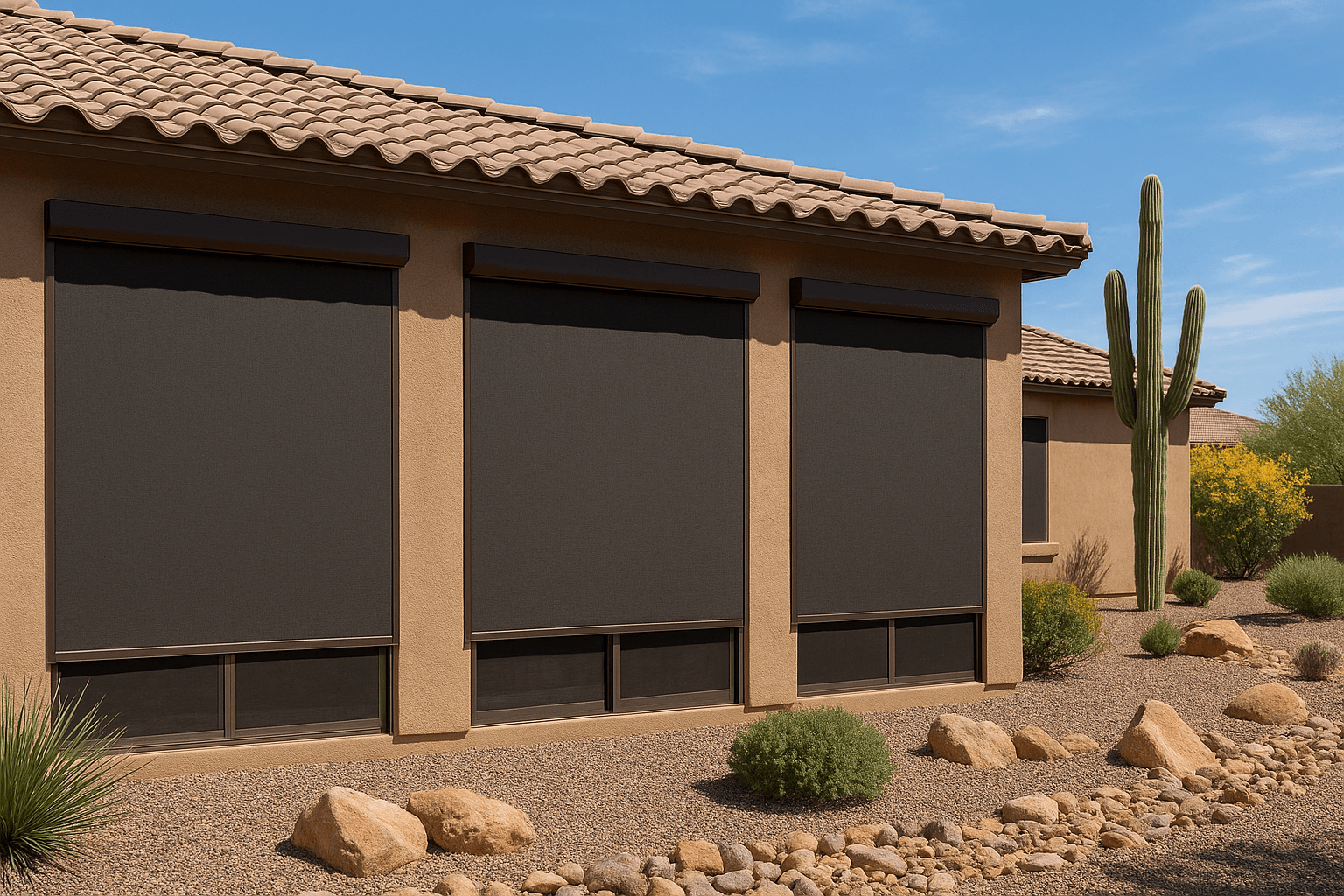
Air conditioners cool the air. Shade screens stop the heat. Sounds like a small difference, but it isn’t. When the sun hits your windows, it transfers radiant heat through the glass. Your AC then has to grind away to pull that heat back out. Exterior shade screens block a big chunk of that radiation before it hits the glass, which means less heat sneaks indoors and less work for your AC.
On the technical side, we talk about SHGC (solar heat gain coefficient). Lower is better. A quality solar fabric on a roll up screen can reduce heat gain dramatically, especially on west- and south-facing exposures that get roasted in Phoenix. Does it make the room colder? Not exactly—nothing “cools” without energy. But it makes the room feel cooler and keeps temperatures stable, which is what you wanted in the first place.
Roll up or fixed—what fits your space?
Fixed solar screens sit on the window frame year-round. They’re great if you want constant shade, privacy, and a clean, permanent look. Roll up shade screens give you flexibility. You pull them down when you need sun control on a patio, pergola, or over a big slider; roll them up when you want open views and breeze. For many Phoenix homes, it’s not either-or. It’s both.
| Where | Fixed Solar Screens | Roll Up Shade Screens |
|---|---|---|
| Standard windows | Year-round efficiency, privacy | Nice for large sliders or tall openings |
| Patios/pergolas | Not typical | Patio sun shades for glare and heat control |
| Seasonal use | Always on | Roll down in summer; retract in winter |
Not sure which way to go? Let me explain how we usually approach it: fixed on the hottest window walls; roll ups on outdoor living spaces and big openings where flexibility matters.
The energy math (without the headache)
Numbers help, but they shouldn’t make your eyes glaze over. On a typical Phoenix home, windows can account for 25–40 percent of cooling load. Drop a solar shade screen outside and you can cut that window heat gain by 50–90 percent, depending on fabric and orientation. For SRP and APS customers, that can mean real kWh savings during on-peak hours when rates bite.
Here’s a quick real-world snapshot. Let’s say your west-facing family room adds 2–3 kWh of AC load on a summer afternoon. If a roll up shade drops that by even 1 kWh during a 5-hour peak window, that’s 5 kWh per day saved. Over a long summer, it adds up. And comfort isn’t just a line item—less temperature swing means your thermostat stops yo-yoing.
One caveat: R-value matters for insulation; it doesn’t describe radiant heat well. Screens don’t insulate like foam. They shade, which is exactly what hot glass needs.
See out, stay cool: fabrics and visibility
Your view matters. The good news is modern fabrics balance airflow, visibility, and heat control. We often recommend Phifer SunTex 80 or 90, or Textilene 90/95 for stronger glare control. The number signals openness and shading power. Higher numbers usually mean tighter weave, more glare reduction, and a bit less airflow. Still, they breathe, so you won’t feel boxed in.
- SunTex 80: Great visibility, solid heat cut; nice for shaded patios or north/east walls.
- SunTex 90: Stronger sun control for west/south exposures; a touch darker view.
- Textilene 95: Maximum glare and UV control; ideal for big patios that cook at 4 p.m.
Color also plays a role. Darker fabrics absorb and reduce glare, which makes the view “pop.” Lighter fabrics reflect more light and can brighten the space but may show more glare. There isn’t a wrong pick—just the one that fits your sunlight and your style.
Manual or motorized—what’s your move?
Motorized patio screens are the crowd favorite for tall spans and daily use. Somfy and Dooya motors pair with remotes, wall switches, or smart home hubs. Add a sun or wind sensor and the screen can retract during a gusty monsoon, then roll down when the afternoon sun returns. That’s not fancy; it’s practical in Phoenix.
Manual crank systems still make sense for smaller openings or budget-friendly projects. They’re tough, simple, and dependable. The trade-off is convenience. If you’ll use it every day, motorized is worth it. If it’s more occasional—maybe for a guest room or small veranda—crank is fine.
Small note on safety and pets: side tracks or cable-guided systems help keep screens stable in breezes and reduce gaps, which keeps critters and dust out more than you’d expect.
Comfort boosts you’ll feel on day one
Efficiency is the headline, but daily comfort sells it. When you cut the sun at 3 p.m., the bright white glare on your countertops eases, the floor isn’t scorching, and you can actually sit on the patio with lemonade without melting. That counts.
- Cooler rooms, fewer hot spots: Even temperatures make your home feel calmer.
- Glare control: TV time during a game—no more squinting.
- UV protection: Help preserve floors, art, and furniture from fading.
- Privacy: A daytime privacy veil without feeling closed in.
It sounds like a magic trick. It’s not. It’s physics plus fabric, tuned for Arizona sun.
Local stories: where screens make the biggest splash
Arcadia bungalow with original windows: afternoon sun was turning the living room into a sauna. We added roll up shade screens Phoenix on the patio and fixed solar screens on west-facing windows. The AC finally got a break, and their old hardwood didn’t feel like a stovetop.
Goodyear two-story: giant sliding doors faced southwest. Motorized patio screens cut glare and cooled the kitchen by a couple of degrees. The owners said the dog stopped avoiding the tile in the afternoon—small thing, big sign.
North Scottsdale backyard with a view: Textilene 95 in charcoal on a cable-guided system provided shade without ruining the mountain view. Sun control jumped; the sunsets stayed.
Care and longevity in the desert
Monsoon dust happens. The fix is easy. Rinse with a low-pressure hose and let the fabric dry. For stubborn spots, a bit of mild soap and a soft brush works. Avoid harsh chemicals, power washing, or sharp tools. A quick seasonal check on screws, tracks, and the hem bar keeps everything tidy.
Quality fabrics are UV-stable and built for heat. We see them hold up very well in Phoenix with basic care. Motors from brands like Somfy are known for long service life, and most systems carry solid warranties. If a storm is rolling in, retract the screens. Simple habit, longer life.
Quick FAQ: the lightning round
Do screens make rooms too dark? Not when we match fabric to exposure. Darker weaves cut glare but keep the view; lighter tones brighten the space. We’ll bring samples so you can see the difference right in your light.
Can I see out during the day? Yes. You get a “sunglasses effect.” At night, with interior lights on, privacy flips—same as any shade.
Any rebates? APS and SRP occasionally offer efficiency incentives. Programs change, so we’ll flag anything current during your quote.
Wind concerns? Guided systems and proper mounting help. Add a wind sensor for motorized setups, especially in open areas.
Pricing snapshot—no guesswork, just ranges
Every opening is different, but here’s a grounded starting point in Phoenix.
- Manual roll up screens: Commonly mid-hundreds to low thousands per opening, depending on width, height, and fabric.
- Motorized screens: Typically higher, reflecting motors, controls, and guide systems—often from the low to mid-thousands per opening.
- Fixed solar window screens: Usually the most budget-friendly per window.
We measure, confirm mounting details, and build to your openings. No cookie-cutter. We’ll show you the fabric in your light so you can choose with confidence.
Where Arizona Screen Company comes in
We’ve tuned thousands of screens for Arizona sun, and we bring that local know-how to every home. Our process is simple: a friendly on-site visit, sunlight and orientation check, fabric samples in your actual light, and a clear proposal. Installation is handled by experienced techs who treat your home like their own—clean lines, square mounts, and gear set up right.
We work with trusted materials like Phifer SunTex and Textilene, sturdy aluminum hardware, and reliable motors. And we stand behind what we install. If something needs attention, you’ll talk to a local team—not an automated maze.
Ready to cool your home without cranking the AC?
If you’re in Phoenix or a nearby neighborhood and want comfort that shows up on your utility bill, energy efficient shade screens are a smart move. Let’s make the hot hours feel easy—and bring your patio back to life. Call Arizona Screen Company at 480-771-2543 or Request a Free Quote. We’ll bring samples, real talk, and a plan that fits your home and how you live. No pressure—just shade that works when the sun doesn’t play nice.