
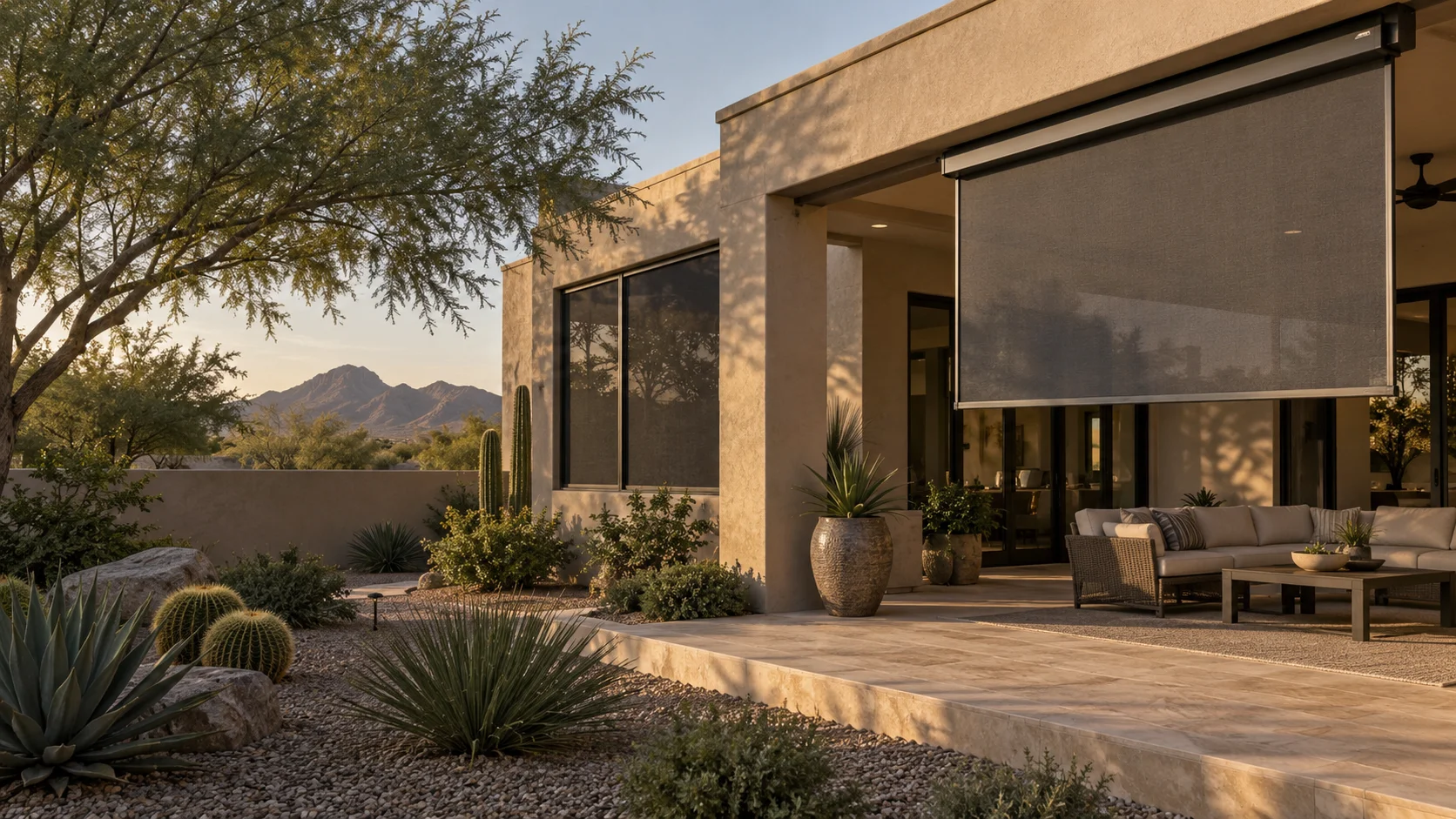
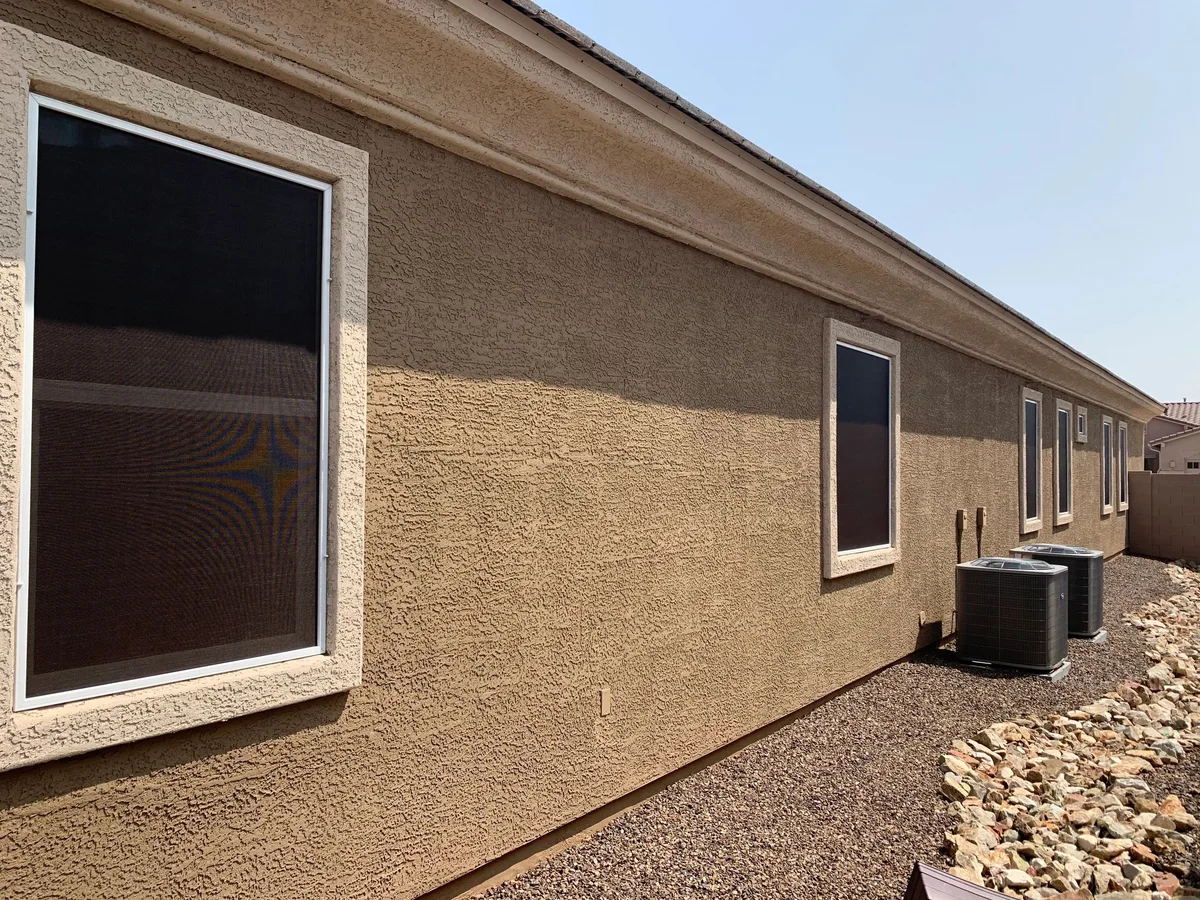
Check the opening before measuring
Look at the whole window and the surrounding surface. Trim, shape, protruding handles, existing attachments, and the way the window operates can affect the frame and mounting.
A screen may appear to fit across the glass while still being unsuitable at its corners or fixing points. For a shaped window or an unusual opening, make the geometry part of the assessment rather than assuming a standard rectangular panel.
Cleaning and future removal also deserve a plan. A permanently awkward assembly can turn routine care into a bigger job than expected.
Approximate measurements versus ordering dimensions
An estimate conversation can start with rough width and height, photographs if arranged separately, the number of openings, and the project address. Those details help the installer understand the scale of the work.
Final ordering dimensions depend on the frame construction and how it mounts. Do not use a general outside window measurement as if it were automatically the finished frame size.
Check the procedure supplied for the exact system. Corner construction, overlap, clearance, and attachment details should not be guessed from a generic online guide.
| Before the estimate | Before fabrication |
|---|---|
| Describe the window and project location | Confirm the exact opening and selected frame |
| Share approximate size if known | Establish ordering dimensions for that system |
| Explain the sun and glare problem | Choose mesh from actual samples |
| Mention trim or access restrictions | Agree on fixing, clearance and removal |
| State the number of panels | Confirm each included opening and installation scope |
Choose fabric for the window
The operator’s solar range includes SunTex 80 and SunTex 90. Their weave and shading characteristics should be compared with daylight and outward visibility in mind.
The technical sheet reports openness, UV performance, and solar properties separately. The product number is not a percentage saving on the household cooling bill.
Consider room use and sunlight at different times. Two windows in the same home may have different needs. A physical sample helps avoid choosing a density only because it sounds stronger.
Mounting, frame condition, and access
The mounting surface must suit the proposed assembly. Damaged trim, an insecure frame, or unclear fixing points should be resolved before a new panel is made.
If you are considering rescreening, check whether the existing frame is worth reusing. Straight sides and sound corners matter independently of fabric condition.
High openings and difficult access change the work. Do not turn a simple ground-floor panel task into an unplanned ladder or heavy-door project. Discuss the location and restrictions before arranging the installation.
- Identify the window, frame and operating requirements.
- Check trim, fixing points, shape and access.
- Compare mesh samples for shade, light and view.
- Confirm final dimensions and the actual mounting method.
- Check the installed fit and the removal/cleaning procedure.
What a finished installation should establish
The completed panel should fit securely, with sound corners and appropriate attachments. Check the mounting and edge fit rather than judging only the appearance of the fabric.
Ask how the screen is removed and refitted for cleaning. Confirm which parts can be maintained or replaced and what the written scope covers.
A solar-screen installation does not automatically resolve failed glazing, air leakage around the window, a damaged door track, or another unrelated building problem. Keep those boundaries clear in the estimate.
When professional installation is sensible
Custom shapes, uncertain attachments, elevated access, damaged frames, or several different opening types may justify a professional assessment. The relevant question is what the project requires, not whether an online guide describes a simple version of it.
The dedicated solar-screen product guide is the commercial starting point for fabric and fitting decisions. This article explains the planning considerations; it does not replace an assessment of your actual openings.
Ordinary screening is not fall protection or a security barrier. Keep the window-safety plan separate and follow appropriate product guidance.
Apply it to your opening.
Plan a custom solar-screen installation for the product choices, fit, materials, and assessment relevant to this topic.
Installation and service are provided by Arizona Screen Techs. The written project scope confirms the exact product, access, and any applicable warranty.
Questions before you decide.
Can I order from a rough window measurement?
Use rough dimensions to start the conversation, not as final ordering sizes. Confirm the exact frame and mounting system first.
Can I reuse old frames?
Possibly, if they are sound, straight, correctly fitted, and appropriate for the selected material.
Should every window use SunTex 90?
Not automatically. Compare sun exposure, daylight, visibility, and the physical sample at each relevant room.
Does this guide cover heavy glass-door removal?
No. A heavy glass patio door is a different assembly and should not be treated as an ordinary mesh-panel task.