
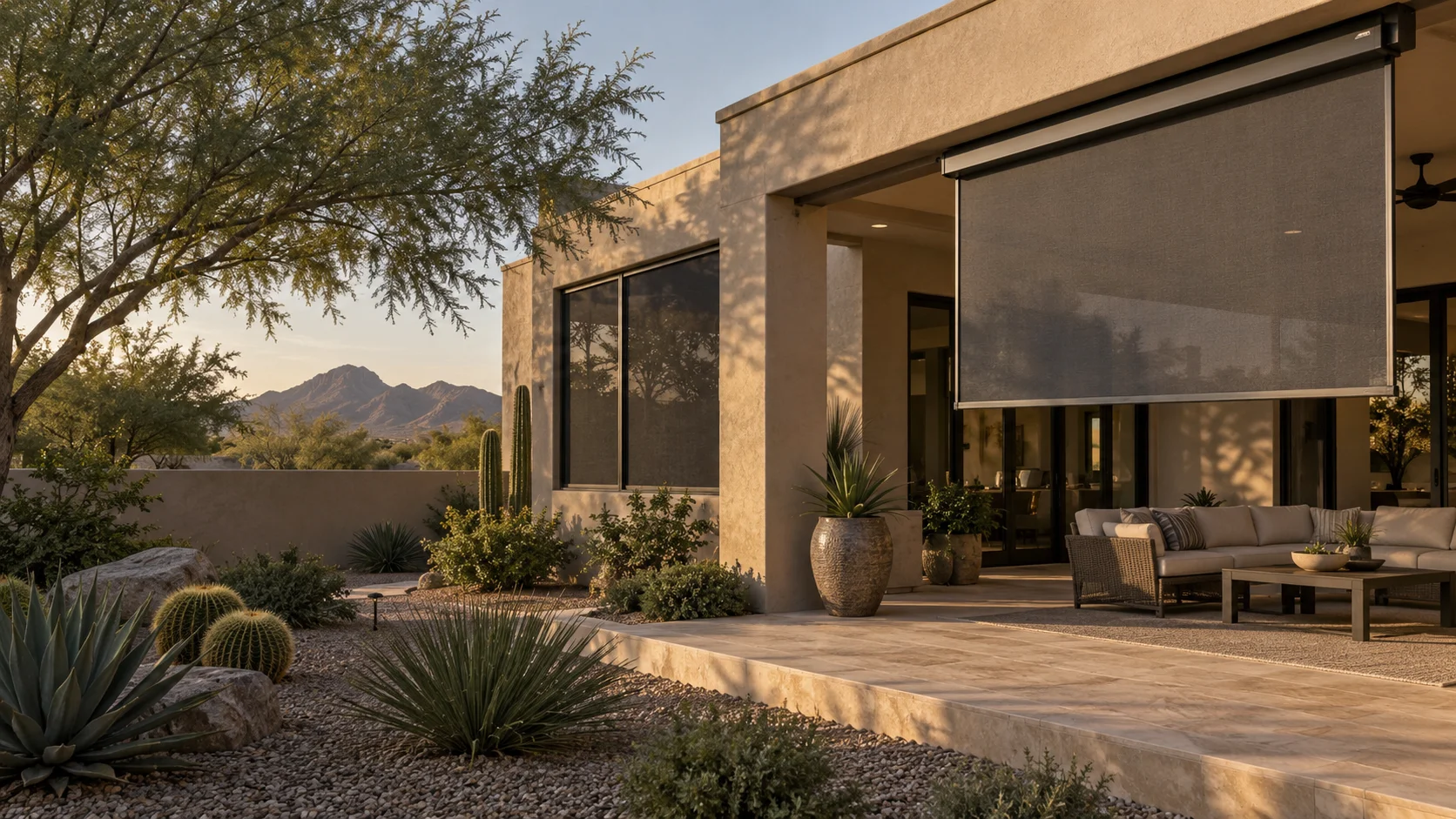
Fresh air is a gift in the desert. You crack the window, feel that morning breeze, and then. buzz. One tiny mosquito can turn a calm evening into a scratchy mess. If you live in the Phoenix area, you know the deal: spring is glorious, monsoon season wakes up the bugs, and patio time is sacred. That’s exactly why Insect Screens matter. They keep the fresh air in, the pests out, and your family relaxed. This guide is for Phoenix homeowners who want clean airflow, fewer bites, and screens that actually hold up to the sun, dust, and daily life. And yes, we’re Arizona Screen Company. neighbors who build and install screens that stand up to our heat, our wind, and our very persistent bugs.
Why insect screens matter even more in Phoenix
our climate is perfect for quick bug bursts. After summer rains, standing water invites mosquitoes. especially Aedes aegypti, the ankle-biting ones active during the day. Maricopa County also reports West Nile virus most years. I don’t say that to worry you, but to explain why the right screen setup pays off.
Beyond health, screens protect your comfort. You can keep windows open longer without inviting flies to your kitchen or gnats to your wine glass. Think backyard dinners without the constant swat-and-shoo dance.
- Fewer bites: Tighter, durable mesh keeps mosquitoes, midges, and tiny gnats out.
- Ordinary insect mesh is not a rated air-cleaning or pollutant-filtration product. EPA separates source control, ventilation, and appropriate filtration; consider outdoor pollution when deciding whether to open windows.
- Less chemical spray: Good screens reduce the need for constant bug treatments.
A quick note about scorpions: they’re not coming through your window screens, but they love door thresholds and gaps. If we’re building out your screen door, we’ll talk sweeps and seals because tiny gaps matter here.
What makes a great insect screen: materials, mesh, and airflow
Not all screens are equal. Some are strong but dark. Some are bright but flimsy. The trick is picking a mesh that matches how you live.
-
Materials
- Fiberglass mesh: affordable, flexible, doesn’t dent, UV-stable, easy to replace.
- Aluminum mesh: stronger, more rigid, can dent but resists tearing.
- Stainless steel: ultra-tough, best for security or critter pressure, but heavier and pricier.
-
Mesh counts
- Standard insect screen is usually 18×16. great airflow and visibility.
- For tiny gnats and no-see-ums, go with 20×20 or 24×24. smaller openings, fewer intruders.
- Pet-resistant mesh is thicker; it trades a little view for serious durability.
-
Frame and hardware
- Powder-coated aluminum frames handle our sun better and look clean longer.
- Quality spline and corners keep the mesh tight, even after monsoon wind gusts.
A mild contradiction you’ll hear sometimes: thicker is better. Not always. Tight mesh blocks pests, but it can cut airflow if you go too tight everywhere. We often mix solutions: standard mesh in bedrooms where airflow is king; no-see-um mesh in kitchens or patios where fruit flies and gnats crash the party.
| Mesh Type | Best For | Notes |
|---|---|---|
| 18×16 Fiberglass | Everyday windows, airflow | Great balance of visibility and breeze |
| No-See-Um (20×20+) | Gnats, midges, monsoon season | Smaller pores; slightly darker view |
| Pet-Resistant | Doors and low windows | Thicker yarn; stands up to paws |
Solar screens vs insect screens. do you need both?
Mesh names, shading, UV performance, openness, and household energy use are different measurements. Review the exact fabric data and an actual sample rather than assuming one number describes them all.
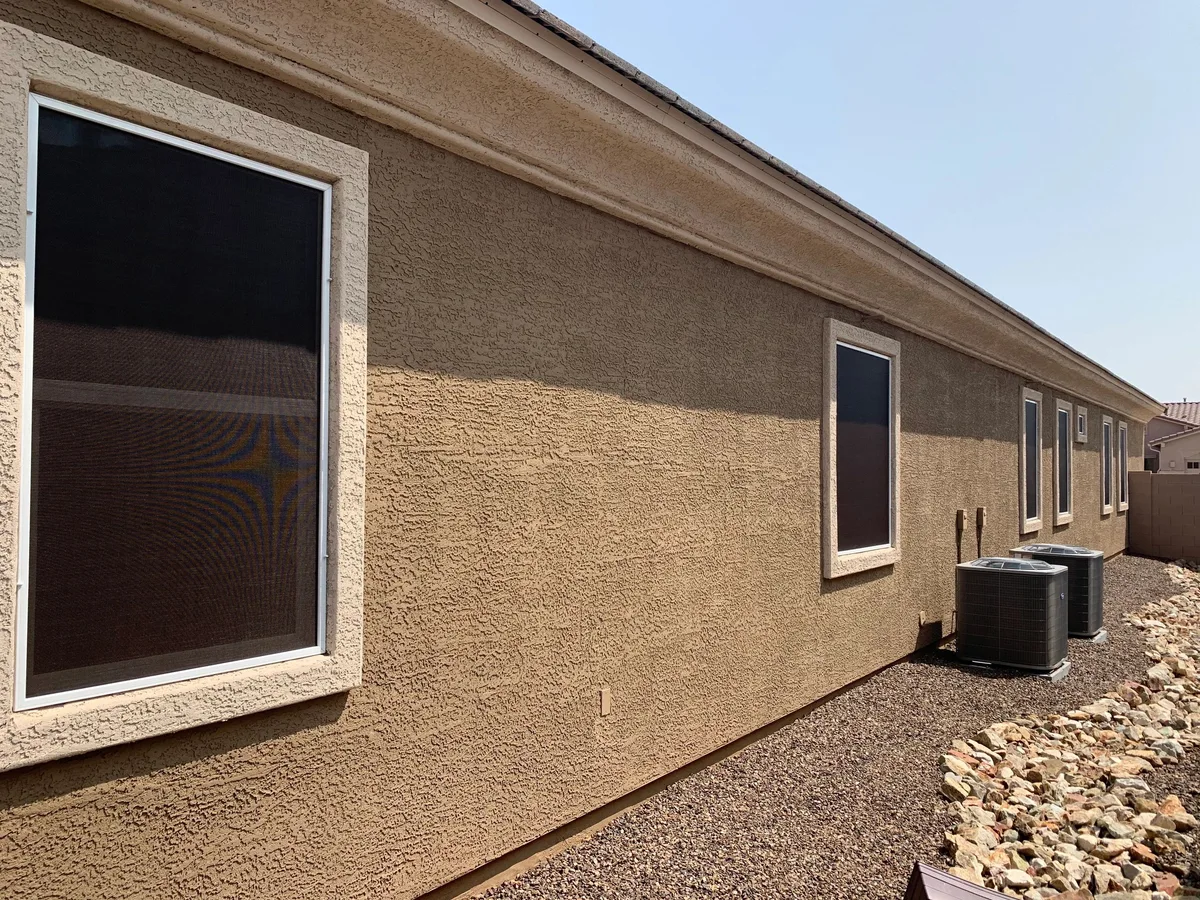
But here’s where people get stuck: “Will solar screens make my rooms too dark?” Sometimes they do change the look a bit. That’s why we often install solar screens on south- and west-facing windows, then use standard insect mesh on shaded sides. You get energy savings where it counts and bright views where you want them.
Bonus tip: Check with SRP or APS about current programs. they sometimes offer rebates on shade screens. Programs change, so a quick look at their websites is worth it.
Doors, patios, and the sneaky places bugs pour through
Windows get all the love, but doors and patios are where pests rush in. If your sliding screen drags, your French door has a gap, or your patio enclosure has a corner tear, that’s basically an open invite.
- Sliding and French doors: Smooth-glide rollers, pet-resistant mesh, and snug seals matter. Retractable screens are great for French doors. out of sight when you don’t need them.
- Patio enclosures: Upgrade to no-see-um mesh if you entertain in the evenings. Fans help push bugs back too.
- Thresholds and sweeps: We add tight bottom sweeps and magnetic catches so doors pull closed without a little nudge.
Small details have big effects. A 1-inch gap under a door can feel like a freeway for mosquitoes after a summer storm.
Maintenance the easy way: quick habits that pay off
Screens don’t ask for much, and in Phoenix, a little care goes far. Dust and sun are the big enemies.
- Rinse, don’t blast: Hose gently or use a soft brush with mild soap. Skip the pressure washer; it can stretch mesh and loosen spline.
- Vacuum frames: A quick pass after a haboob keeps grit from grinding into tracks.
- Check tension: If the screen bows or sags, it’s time to re-spline.
- Watch for UV brittleness: If you can rub the mesh and it flakes, it’s ready to retire.
Most fiberglass window screens last 5-10 years here, depending on sun exposure. Doors work harder and may need earlier refresh.
When gnats won’t quit: tiny mesh and simple add-ons
If gnats seem to slip through anyway, you’re not imagining things. They’re small. really small. A tighter mesh, like no-see-um, closes that door. We also look for side leaks: a torn corner, a loose spline, or a door that doesn’t sit flat.
A few add-ons that help:
- Air movement: A ceiling or box fan on the patio disrupts flying patterns.
- Standing water control: Mosquitoes breed in bottle caps of water; dump planters and trays after rain.
- Bti “dunks”: If you have a fountain, Bti tablets target larvae and are easy to use.
- Repellents with EPA-registered actives: DEET, picaridin, or oil of lemon eucalyptus can help during peak times.
Screens are the first line. Little habits back them up.
DIY vs professional: where the value shows up
If you’re handy, you can re-screen a small frame. But Phoenix homes often have stucco returns and custom window sizes. That’s where professional measuring and fabrication pays off. tight fit, clean lines, and zero rattle in the wind.
Arizona Screen Company brings a mobile workshop to you. We measure every opening, recommend the right mesh for each side of your home, and build frames that fit like they’re supposed to. We use quality materials. think Phifer mesh, powder-coated frames, and reliable hardware. so your screens last longer in our sun.
And because we live here too, we set things up for Phoenix conditions: monsoon gusts, dust, UV, and non-stop use from March through October.
What working with Arizona Screen Company looks like
Let me explain how simple we try to make it.
- Consultation: You tell us what bugs you (literally). We note sun exposure, airflow, pets, and use patterns.
- Options: We show mesh choices. standard insect, no-see-um, pet-resistant, and solar screens. with real samples.
- Precise measurement: We measure to the millimeter so frames seat tight in stucco and track systems.
- Fabrication and install: Built for your home, installed cleanly, and tested for smooth operation.
- Follow-up: If something feels off, we make it right. That’s the job.
We serve homeowners across Phoenix and nearby communities with mobile screen repair and replacement. fast, courteous, and done right.
Quick FAQ for Phoenix homeowners
Do screens stop scorpions? Not directly. They can’t climb through mesh, but door sweeps and sealed gaps are what really block them.
How long will my screens last in the Arizona sun? Typically 5-10 years for fiberglass mesh, sometimes less on hard-hit west-facing walls. Solar screens can last longer, especially with quality brands.
Will tighter mesh kill my airflow? A little, yes. but we place tighter mesh where you need it most and keep standard mesh where breeze matters.
Can my HOA say no to solar screens? Many allow them, often with color guidelines. We can provide samples and photos to help your submittal.
When are mosquitoes worst here? Late summer through fall, especially after rains. Early mornings and evenings see the most action. except Aedes aegypti, which snacks during the day too.
Ready to bug-proof your home and breathe easier?
You know what? A calm, bite-free evening on the patio is worth it. If you’re in Phoenix, we’d love to help you get there with custom insect screens, retractable screen doors, and solar screens that fit your home and your routine.
Call Arizona Screen Company at 480-771-2543 or Request a Free Quote. We’ll bring the samples, measure everything, and help you pick a setup that keeps the breeze. and keeps the bugs out.
Apply it to your opening.
Compare Insect Screen Materials for the product choices, fit, materials, and assessment relevant to this topic.
Installation and service are provided by Arizona Screen Techs. The written project scope confirms the exact product, access, and any applicable warranty.