
Identify which assembly needs work
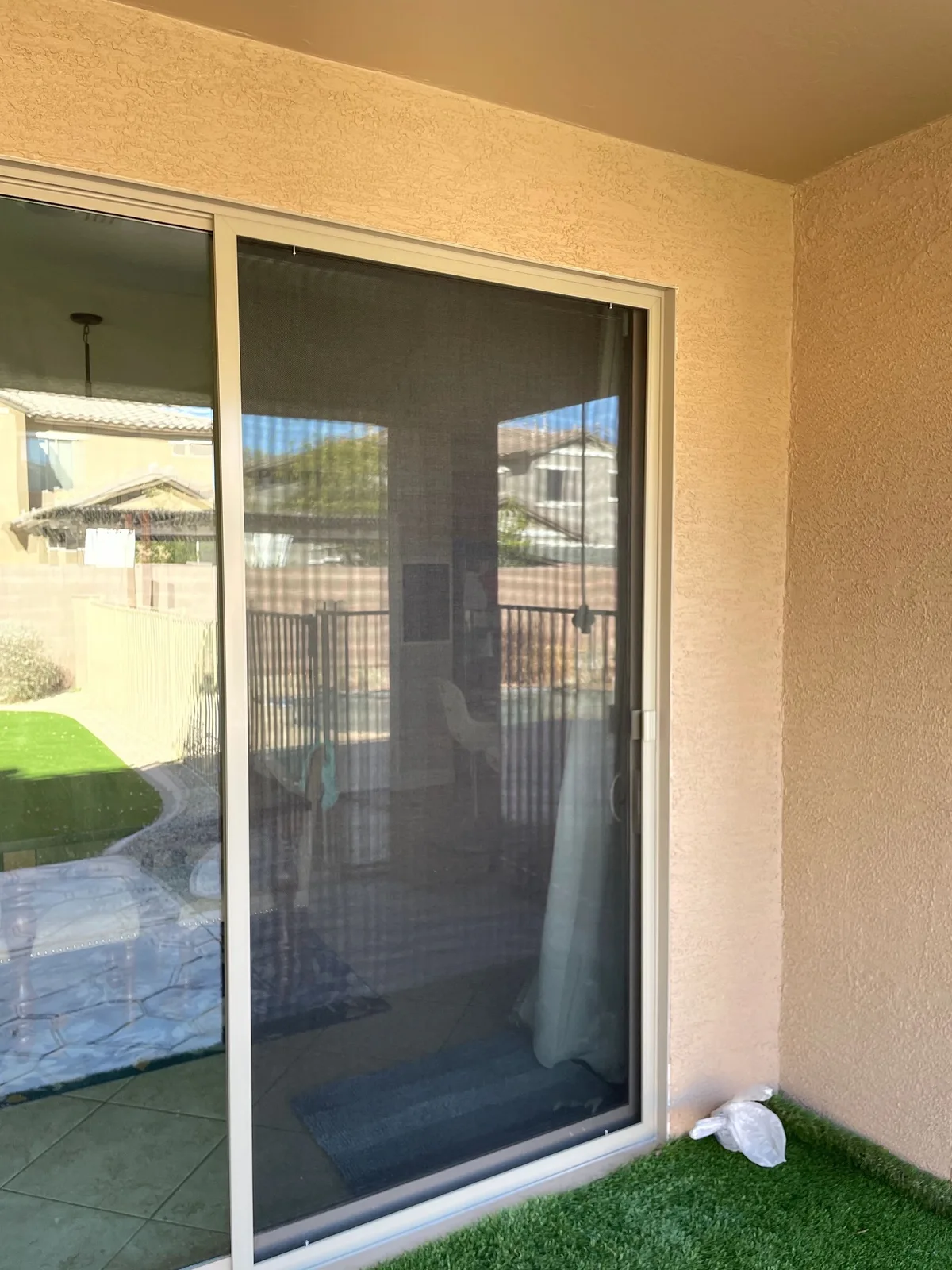
A window screen, sliding screen door, hinged door, and heavy glass patio door have different components. Calling all of them a screen repair can hide the important distinction.
Describe the symptom: a tear, loose edge, bent side, missing attachment, dragging door, damaged track, or hard-to-move glass panel. The estimate should respond to that actual condition.
An apparent fabric problem may be accompanied by a frame or hardware problem. New mesh alone is not always the complete repair.
Compare like-for-like scopes
A local patch covers one damaged area. Rescreening replaces the fabric in a usable frame. A new fitted panel includes a different frame decision, while operating-part work adds another scope.
Ask which pieces are reused, which are replaced, and which condition remains afterward. Two totals can be quite different because one proposal includes work the other omits.
If the frame is bent or incorrectly sized, spending on premium mesh without addressing fit can leave the original problem unresolved.
| Scope | What to clarify |
|---|---|
| Patch | Location, mesh condition and appearance |
| Rescreen | Fabric, compatible spline and reusable frame |
| Frame work | Corners, sides, size and attachments |
| Door operating repair | Actual rollers, track, hinges, latch or adjustment |
| New fitted assembly | Model, fabric, finish, hardware and installation |
The factors that change an estimate
Opening size, number of panels, fabric, frame condition, attachments, hardware, and access influence the work. A ground-floor panel and an elevated or unusually shaped opening can require different handling.
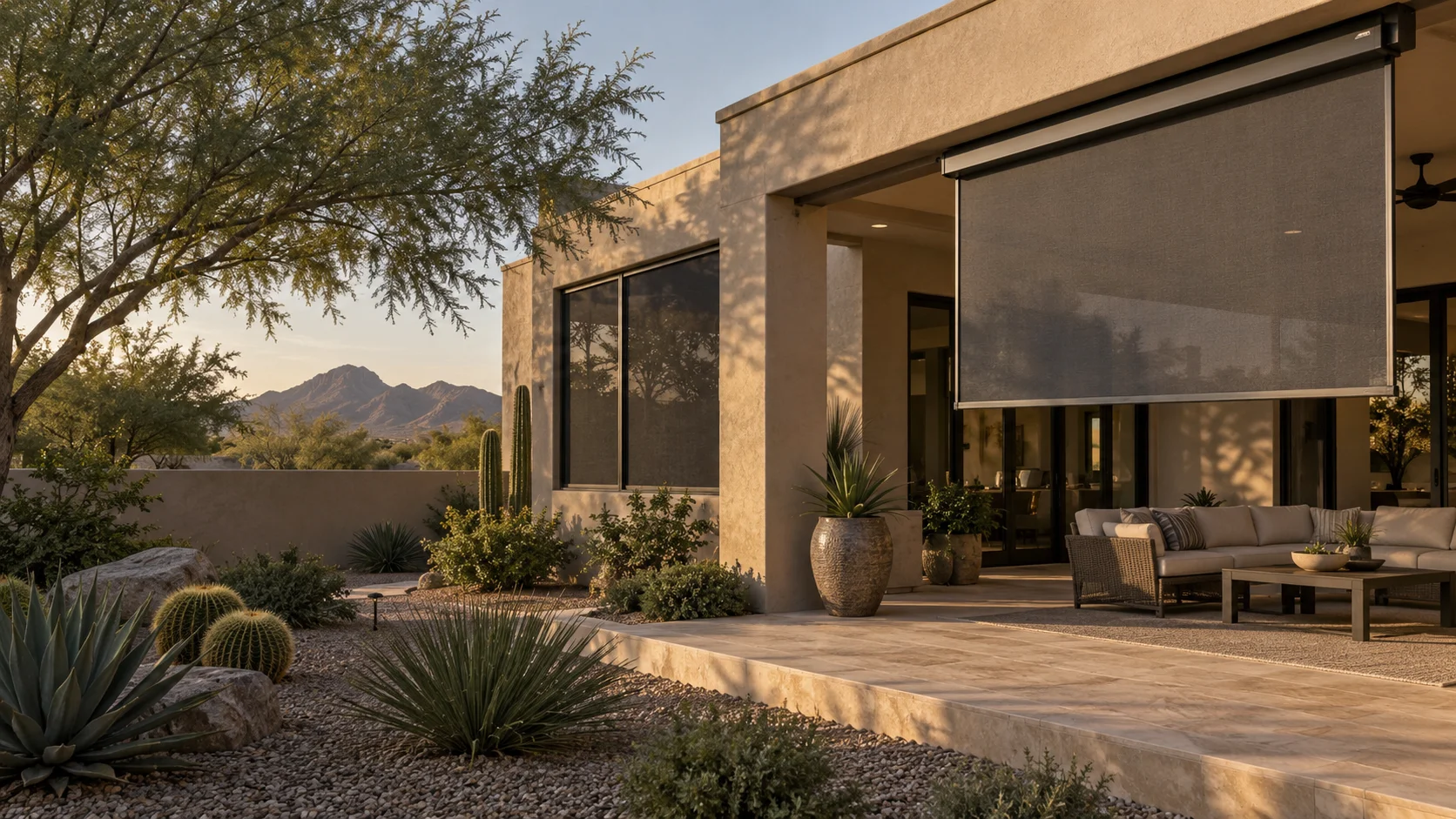
Pets or frequent contact may lead to a discussion of more durable compatible mesh. Sun and glare may call for a solar fabric instead of ordinary insect screening.
For a glass patio door, the actual components and safe access need a separate assessment. Do not assume that a screen-material quote covers glass replacement or structural repairs.
- Number and size of openings
- Mesh and frame choice
- Condition of corners and attachments
- Required operating components
- Access and installation boundary
When replacement is more sensible
A sound, straight frame that fits correctly may be worth keeping. Significant distortion, separating corners, poor fit, or incompatible parts may make a new assembly the better discussion.
The cheapest material-only repair is not automatically the least expensive long-term decision if another known condition remains. Ask what the proposed work is intended to resolve.
If current components are unavailable, the estimate should make that clear rather than promising a model or part that has not been confirmed.
Start with useful information
Provide the project location, type of opening, number of panels, approximate size if known, and what is damaged or difficult to operate. Exact ordering dimensions are not needed to begin.
Choose the on-site estimate option if you want the team to review the actual openings. Final dimensions, materials, and scope are confirmed before the work is arranged.
Written warranty and service terms apply to the selected product and work. Do not infer a lifetime term, universal fee, or guaranteed result from a general article.
Apply it to your opening.
Define the screen repair or replacement scope for the product choices, fit, materials, and assessment relevant to this topic.
Installation and service are provided by Arizona Screen Techs. The written project scope confirms the exact product, access, and any applicable warranty.
Questions before you decide.
Why is there no fixed repair price here?
The opening, material, frame, hardware, and access need assessment. A universal range would conceal different scopes.
Is rescreening the same as a new panel?
No. Rescreening replaces mesh in a usable frame; a new panel changes the frame assembly too.
Can I compare two quote totals directly?
First check that the fabric, frame work, hardware, access, labor, and installation boundary are the same.
What should I send to start?
Identify the opening, damage, project address, number of panels, and approximate dimensions if known.