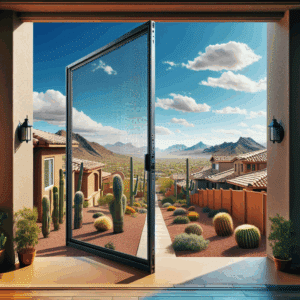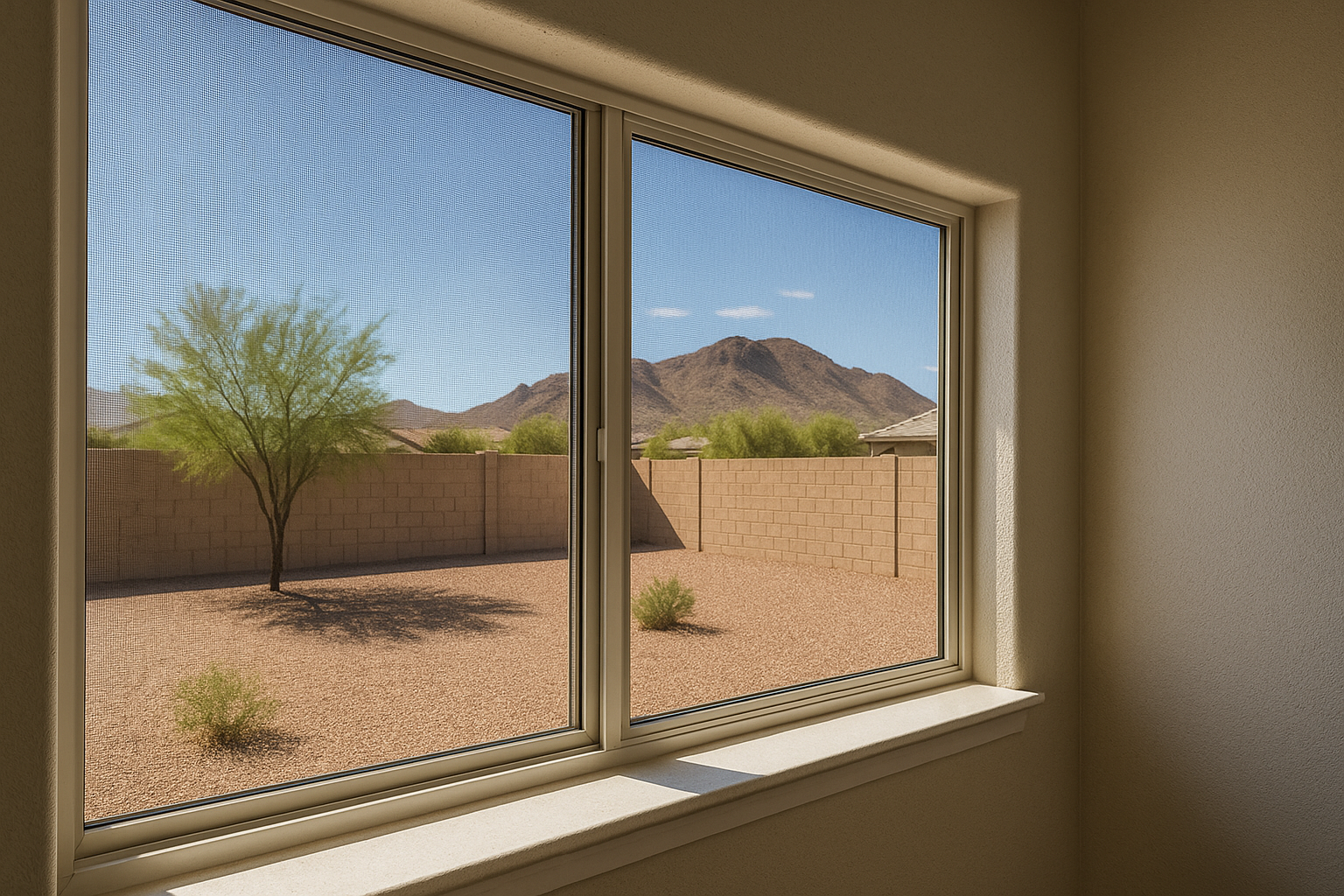
Summer in Phoenix doesn’t “arrive.” It barges in. When the mercury climbs and the sun hits those west-facing windows, your AC works overtime. Here’s the quiet hero most homeowners overlook: high‑quality window screens. Not the flimsy kind that sag by Labor Day—sturdy, sun-smart screens that cut heat gain, help your home feel cooler, and give your air conditioner some much‑needed backup. If you’re a homeowner in the Valley, this is for you. A small upgrade with a big, everyday payoff.
Why window screens matter more here than almost anywhere
Here’s the thing: most heat in your house doesn’t sneak in through cracks. It blasts through the glass. Sunlight brings radiant heat, and windows pass a lot of it along. Place a screen on the exterior side of the window and you intercept that heat before it reaches the glass. It’s like sunscreen for your windows—simple, effective, and especially useful for west and south exposures in Phoenix.
That outside‑the‑glass shade changes your home’s energy math. It reduces solar heat gain, helps stabilize indoor temps, and can cut glare that makes rooms feel harsh. You still get daylight and views, but with mellower light that’s easier on your eyes and furniture. And yes, you can open those windows for real airflow when the evening breeze finally shows up. That’s comfort you can feel without touching the thermostat.
Energy folks call this lowering the Solar Heat Gain Coefficient, or SHGC. We won’t drown you in numbers, but lowering SHGC means your AC starts later, cycles shorter, and uses less energy. In short: the room stops fighting the sun and starts cooperating with your system.
Not just “a screen”—which type actually helps with energy?
Solar or sun control screens
These are the heavy hitters. Woven from high‑density, UV‑resistant materials, they block a large chunk of radiant heat while still letting you see out. You’ll often hear names like Phifer SunTex 80 or 90 in Phoenix. The number hints at how much sun it can block. More shade, more comfort. Want a quick rule of thumb? West windows love 90. North windows can chill with 80.
Ventilation and Insect Screens
Standard fiberglass insect screens keep bugs outside and air moving. They don’t cut as much sun, but they keep airflow high when you open the windows at night. They’re the classic everyday pick for shaded sides of the home.
Pet‑resistant and security screens
Got an enthusiastic Lab or a cat who “tests” mesh for sport? Pet‑resistant screens use thicker fibers and tighter weaves. Security screens pair strong mesh with reinforced frames, great for doors and sliders where you want air and peace of mind.
| Screen Type | Heat & UV Reduction | Daylight & View |
|---|---|---|
| Solar/Sun Control (80/90) | High heat reduction; strong UV protection | Moderate light; good outward visibility |
| Standard Insect | Low heat reduction; basic UV help | Brighter rooms; maximum airflow |
| Pet‑Resistant | Moderate heat reduction | Moderate light; tougher mesh |
One more note on color: darker solar screens usually give better glare control and clearer views out in bright sun. Lighter screens bounce a little more light back, which some folks like for a softer look. Preference matters—and we measure, sample, and match to your style.
The real‑world payoff: cooler rooms, lower loads
Let me explain how this plays out in a Phoenix home. Picture a living room with two big west‑facing windows. On a 110‑degree afternoon, those panes are heat radiators. With quality solar screens Phoenix homeowners often see surface temperatures at the glass drop noticeably. The room feels calmer. The AC cycle settles down. You’ll feel it before you ever check the bill.
What about savings? Every house is different—window size, glass type, shade from trees, and how you run your thermostat all matter. But a set of well‑placed energy efficient window screens Phoenix can help trim summer cooling energy on those sun‑exposed rooms. Many manufacturers note screens can block up to 80–90 percent of UV and a significant share of radiant heat. Even a small reduction at peak hours helps your system run easier and last longer. Think fewer hot spots, fewer “crank it down two more degrees” moments, and gentler wear on the compressor.
And here’s a small contradiction that makes sense: darker solar screens can look like they’ll make the room darker, but inside looking out they often feel clearer, with less glare and eye strain. The light you keep is calmer, so your space reads as comfortable rather than cave‑like.
Specs that matter without putting you to sleep
- Weave density and openness determines how much sun and heat pass through. Tighter weaves reduce heat and glare more.
- Material quality like PVC‑coated polyester stands up to Phoenix UV and doesn’t stretch out mid‑July. Fiberglass is common; advanced meshes add longevity.
- Frame strength and corner keys make or break long‑term fit. Powder‑coated frames resist fading and corrosion, which matters with monsoon dust and sprinkler overspray.
- Color and reflectance shape both curb appeal and comfort. Darker screens reduce interior reflections for better views.
- Hardware fit—springs, clips, splines—keeps screens snug so they actually do the job when the afternoon gusts kick up.
If you’ve got low‑E glass, screens play nice. Low‑E handles long‑term energy balance; external screens layer on shade during the hottest months. Together, they act like a tag team against heat gain.
Phoenix realities: dust, monsoons, and maintenance that’s not a headache
Monsoon season brings drama: walls of dust, sudden gusts, and heavy rain. High‑quality screens keep their shape and don’t stretch out when the wind pushes. A quick hose rinse from the interior side and a soft brush take off grit in minutes. Honestly, most folks add it to their weekend routine right after skimming the pool.
One more local note: stucco and stone exteriors look best when the screen frame color blends. We match bronze, tan, white, and custom finishes so your screens look like they belong there, not like an afterthought.
Where screens do the most good in your home
You don’t have to screen every single window with sun control fabric to see a change. Prioritize these:
- West‑facing windows that roast during late afternoons.
- South‑facing windows for long, midday sun exposure.
- Large sliders and patio doors where heat and glare add up fast.
Pair screens with smart landscaping—desert trees placed for shade, reflective rock where you want bounce, mulch where you want cooler ground temps. It’s the small stack of choices that shifts how a house feels from June to September. And October, let’s be real.
Cost, ROI, and possible rebates around the Valley
Quality solar screens are one of the most budget‑friendly ways to cool your home. Pricing depends on window size, mesh type, and frame color, but most Phoenix homeowners are pleasantly surprised compared to other upgrades. Better yet, you’ll feel the comfort right away—no waiting for a remodel crew or permits.
A quick heads‑up on programs: Arizona Screen Company keeps tabs on local rebates. SRP has offered shade screen incentives in past seasons; program details change, so we’ll help you check current requirements. Even without rebates, screens often pay you back in comfort and reduced AC strain over the first few summers.
And yes, we work with HOAs across Phoenix, Scottsdale, Chandler, Gilbert, Mesa, and Tempe. Color matching and clean sightlines keep boards happy and your curb appeal intact.
Common myths we hear—let’s sort them out
- “Screens make rooms too dark.” Darker solar fabrics cut glare, making the light you keep more comfortable. Views often improve because reflections drop.
- “Screens trap heat against the glass.” Exterior screens shade before the heat hits the glass. That’s the key difference versus interior shades.
- “I’ll lose all my winter sun.” You can remove or swap panels seasonally, but many Valley homeowners keep them on year‑round for UV protection and privacy.
- “They look bulky.” Slim, powder‑coated frames blend cleanly with modern or classic stucco. Custom fit is everything.
You know what? Once you live with good screens through one Phoenix summer, it’s hard to go back. Cooler glass. Softer rooms. Quieter AC.
Why homeowners choose Arizona Screen Company
We’re local. We know the angle of a late July sun on a west wall and the way dust settles after a monsoon gust. Our team measures, builds, and installs custom window screens that actually fit—no rattles, no gaps, no sag. We carry proven meshes, including popular SunTex options for serious sun control, pet‑resistant meshes for, well, real life, and matching frames that flatter your exterior.
Expect straight talk. We’ll tell you where sun control screens make the most impact, where standard insect mesh is fine, and how to get results without overspending. Need window screen replacement Phoenix? We handle single windows, whole‑home sets, sliders, and patios. Quick turnarounds. Clean installs. Friendly service that fits Phoenix living.
Ready to feel a cooler home—without cranking the AC?
If you’re curious what the right screens can do for your place, we’ll make it simple. Call us at 480-771-2543 and talk with a real person who lives here too. Or, if it’s easier, Request a Free Quote and we’ll reach out with options tailored to your home, your exposures, and your budget. Cooler rooms, calmer light, and a little relief for your AC—one smart change at a time with Arizona Screen Company.