
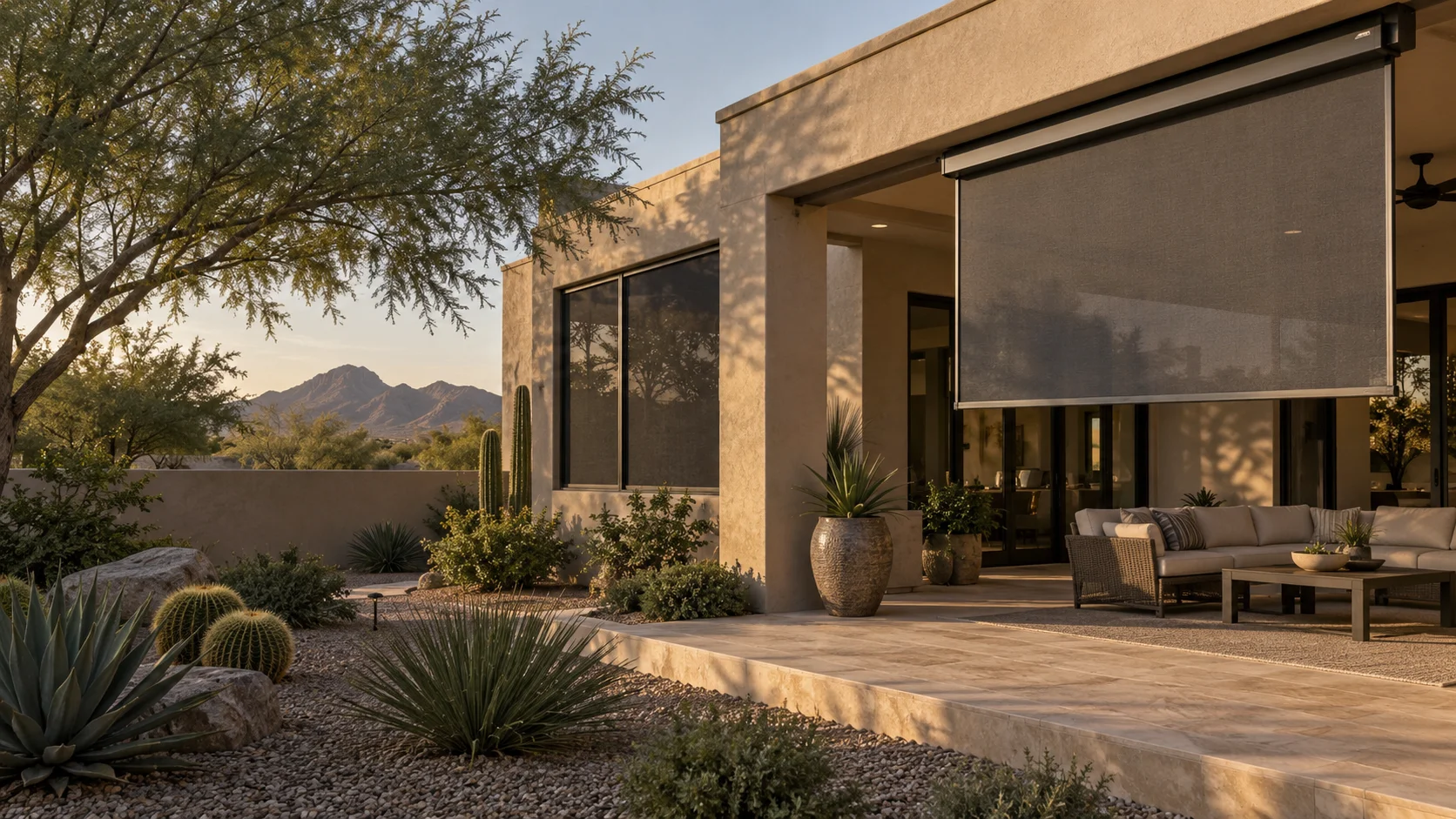
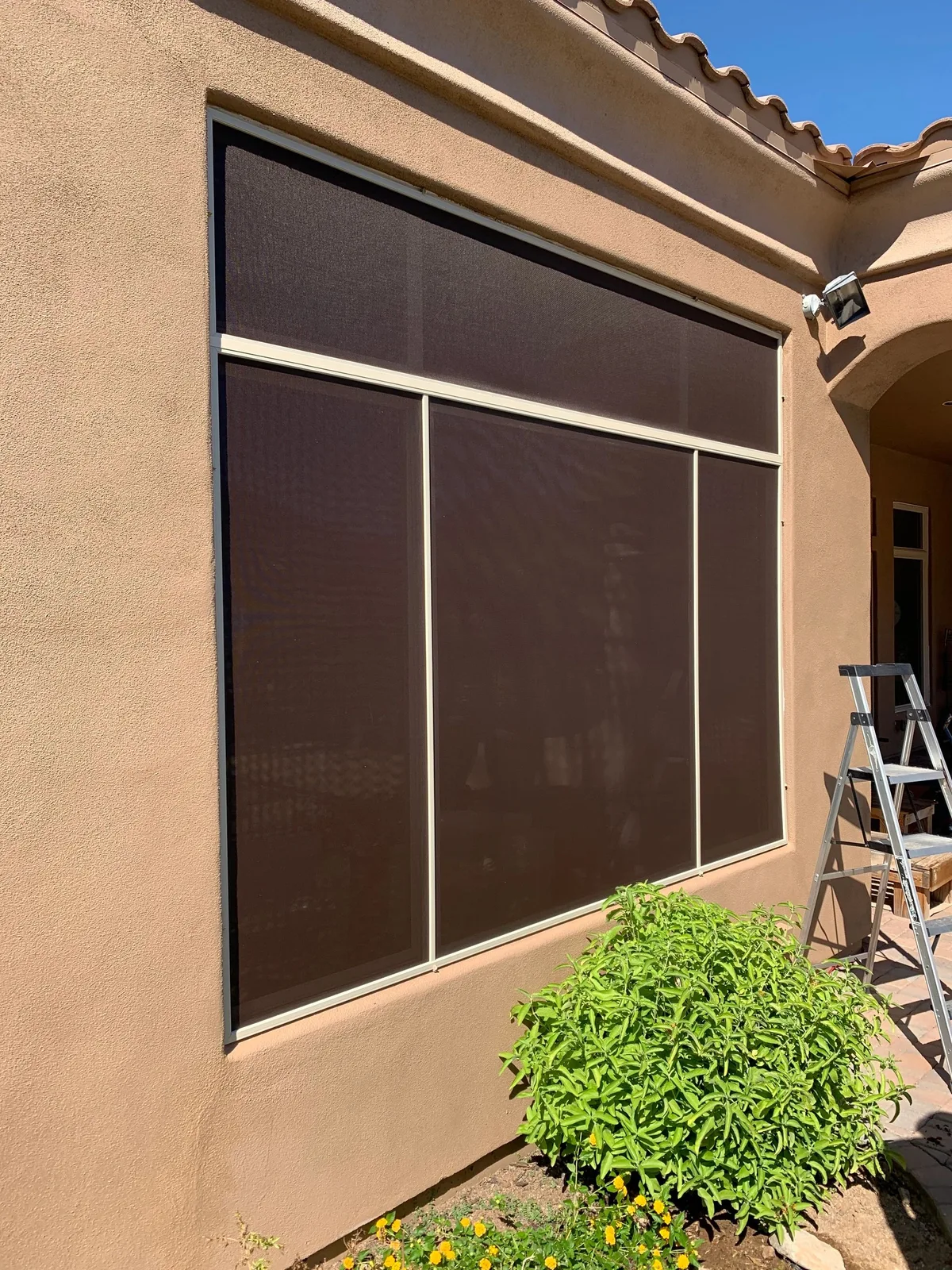
Shade should feel simple, right? If you live in Phoenix, you know the drill: bright mornings, blazing afternoons, a little dust, and a patio you’d love to use more than two months a year. That’s where affordable Roll Up Shade Screens step in. They cool a space fast, give you privacy when you want it, and stretch your budget without skimping on style or strength. This guide from Arizona Screen Company was written for homeowners who want that sweet spot: smart sun control without sticker shock.
Why roll up shade screens make sense in Phoenix
our sun is strong. West and south exposures heat up patios and rooms fast. Roll up shade screens shield those openings and knock down glare, UV, and heat before it slides inside. That reduces hot spots near sliders and cuts the strain on your AC. The real win is simple comfort. You can sit outside again and not feel cooked by 3 p.m.
There’s more. These screens help block monsoon grit and wandering bugs; even a light mesh makes an evening hangout feel calmer. And because you can lift them in seconds, your view stays open when the light is nice. It’s an easy daily rhythm: down during harsh sun, up when the sky softens. Honestly, it makes the backyard feel like a room you actually use.
And yes, it’s about money too. By easing heat gain at windows and big doors, patio shade screens support lower energy use. Your SRP or APS bill still depends on habits and house design, but keeping direct sun off glass pays you back month after month.
Budget friendly without the flimsy feel
Affordable and solid can live in the same sentence. The trick is choosing the right build for the opening. A compact manual crank is often perfect for a pergola or a narrow patio bay, while a spring assist works great on shorter drops. Motorized units add push-button ease and tend to get used more, which means more cooling during peak times.
Compare the exact material and installation scope before relying on a performance or price claim. The published operator range confirms SunTex 80/90, bug screening, TuffScreen and PetScreen options; other models, prices, compatibility, and results require their own confirmation.
Hardware counts. Powder coated headrails, sealed bearings, and stainless fasteners hold up through monsoon season. We also suggest cable guides or side tracks on wider spans so things stay steady when the breeze picks up.
Good, better, best: picking the sweet spot for your wallet
You want numbers. Here’s a simple way to think about it. Prices shift with width, drop, fabric, and controls; these ranges reflect common sizes around Phoenix.
Compare the exact product, frame, controls, access, and installation scope in a written estimate. No universal price, unconfirmed product range, or automation compatibility is assumed here.
Big spans, very tall drops, hardwired power, or HOA-driven color matches can nudge pricing. But there’s a clear pattern: simple and sturdy stays friendly on the wallet, while motor features and custom finishes raise the bar and the budget.
Where these screens shine around the house
Shade screens are flexible. We see them in spots that make daily life easier, not fussy.
- Covered patios Keep afternoon sun off your seating area and cool the concrete so it radiates less heat at night.
- Pergolas and ramadas Add a drop screen or two on the sunny sides and your grilling zone feels chill again.
- Large sliders and arcadia doors Exterior mount screens cut heat before it hits the glass; use them when sun angles are harsh, lift them when you want the view.
- West-facing windows A roll up screen can act like a seasonal shade. Down for summer, up for winter warmth.
- Garage hangouts For those neighborhood get-togethers, a bug-reducing mesh with a clean lift keeps the breeze without the pests.
You know what? Sometimes one screen is all it takes on the worst offender: that southwest corner that turns your living room into a solar oven. Start there and watch the room calm down.
Fabric choices that actually matter
Think of fabric like sunglasses for your home. Different tints and densities create different experiences.
- Openness Five percent blocks more heat and adds privacy; ten percent offers more view and airflow. One percent is very private by day and very shaded; it can feel darker, which some folks love at TV time.
- Color Darker meshes give clearer views outside and cut glare on screens. Lighter meshes reflect sunlight and keep the overall feel brighter.
- UV and fade control Exterior-rated fabrics reduce UV on floors and furniture. That keeps your rug from losing its color by July.
- Salt and dust resistance Not coastal here, but monsoon dust is real. Choose coated fibers that rinse clean and resist micro-cracking.
Brand note for the detail lovers: SunTex 80 and 90 are Phoenix favorites for a reason. Durable, easy to rinse, and they track that nice middle ground between shade and view.
Motor or manual? Let me level with you
Manual is budget friendly and tough. A smooth crank works well on most openings and needs little care. Spring assist lifts easily on shorter drops and sees a lot of daily use because it’s fast. Motorized is the comfort play, especially on wide spans or spots you shade often. You hit a button, it moves, done. That kind of simplicity means you use it more, which helps with cooling.
One more reality check. Motors add cost up front; manuals ask a little more of your elbow. Neither is wrong. It comes down to how often you’ll shade the space and whether convenience means you’ll actually use it every hot afternoon.
Phoenix-specific tips we bring to every install
Local details matter. A few field-proven moves make your shades last and perform better here.
- Face the heat We focus on west and south openings first; that’s where the gain is biggest and the payback faster.
- Mounting style Exterior mounts block heat before it hits the glass. Recessed or cassette mounts keep lines clean and protect the fabric from dust.
- Guides and seals Side tracks or cable guides control movement; a discreet bottom seal helps with bugs and light gaps.
- Monsoon mindset We set clear wind-use guidelines and place anchors you’ll actually use. Lower during normal breezes, raise if gusts get strong.
- HOA and colors We match trim tones when needed. Many communities around the East Valley have quick approvals for neutral frames and meshes.
- Energy notes Window sunscreens sometimes qualify for seasonal utility rebates; patio roll ups usually do not. Still, the comfort gain is immediate.
Small choices add up: even shifting a track a half inch for drainage clearance can keep your hem bar smooth after a surprise storm.
Care that takes five minutes, not your Saturday
Maintenance is simple. Rinse with a garden hose a few times a season. For stuck-on dirt, use mild soap and a soft brush, then rinse. Skip pressure washers, harsh chemicals, and abrasive pads. If you hear a squeak on a manual unit, a tiny bit of silicone on the crank coupling helps. Check anchors and guides once in a while. That’s it. Most quality meshes and finishes carry multi-year warranties, and we stand behind our installs.
Three quick Phoenix stories
Arcadia bungalow, tight budget. One manual screen on a west-facing slider, SunTex 90, cable guides. The living room dropped a few degrees by late afternoon, and movie glare calmed down. Under a thousand dollars, done in a week.
Gilbert patio, grill master alert. Two manual screens on the sunny sides of a pergola; one motorized unit for the TV wall so it’s fast during game time. Family hangs outside again during the dinner hour instead of hiding inside.
North Phoenix view lot. Homeowner wanted the mountains unobstructed most days but shade on demand. Motorized screens with darker mesh for crisp views, full cassettes to keep dust out. Wind sensor tied to a simple remote. Spendy, sure, yet used every single day May through September.
Why Arizona Screen Company
We’re local, and it shows. We measure every opening, suggest fabrics that fit how you live, and anchor hardware for our soil, our winds, and our sun. You get clean lines, smooth lifts, and friendly support if something needs a tweak. We carry trusted brands, and we install like it’s our own backyard. That mix of craft and common sense is what helps Arizona Screen Company deliver real value, not just a low number on a quote.
Ready to cool things down without blowing the budget?
If you want affordable roll up shade screens in Phoenix that look sharp and last, let’s talk. We’ll help you choose the right fabric, control style, and mount so you get comfort, privacy, and fewer hot spots inside.
Call us at 480-771-2543 or Request a Free Quote. A cooler patio is closer than you think, and yes, it can fit your budget.
Apply it to your opening.
Define the patio-shade installation scope for the product choices, fit, materials, and assessment relevant to this topic.
Installation and service are provided by Arizona Screen Techs. The written project scope confirms the exact product, access, and any applicable warranty.