
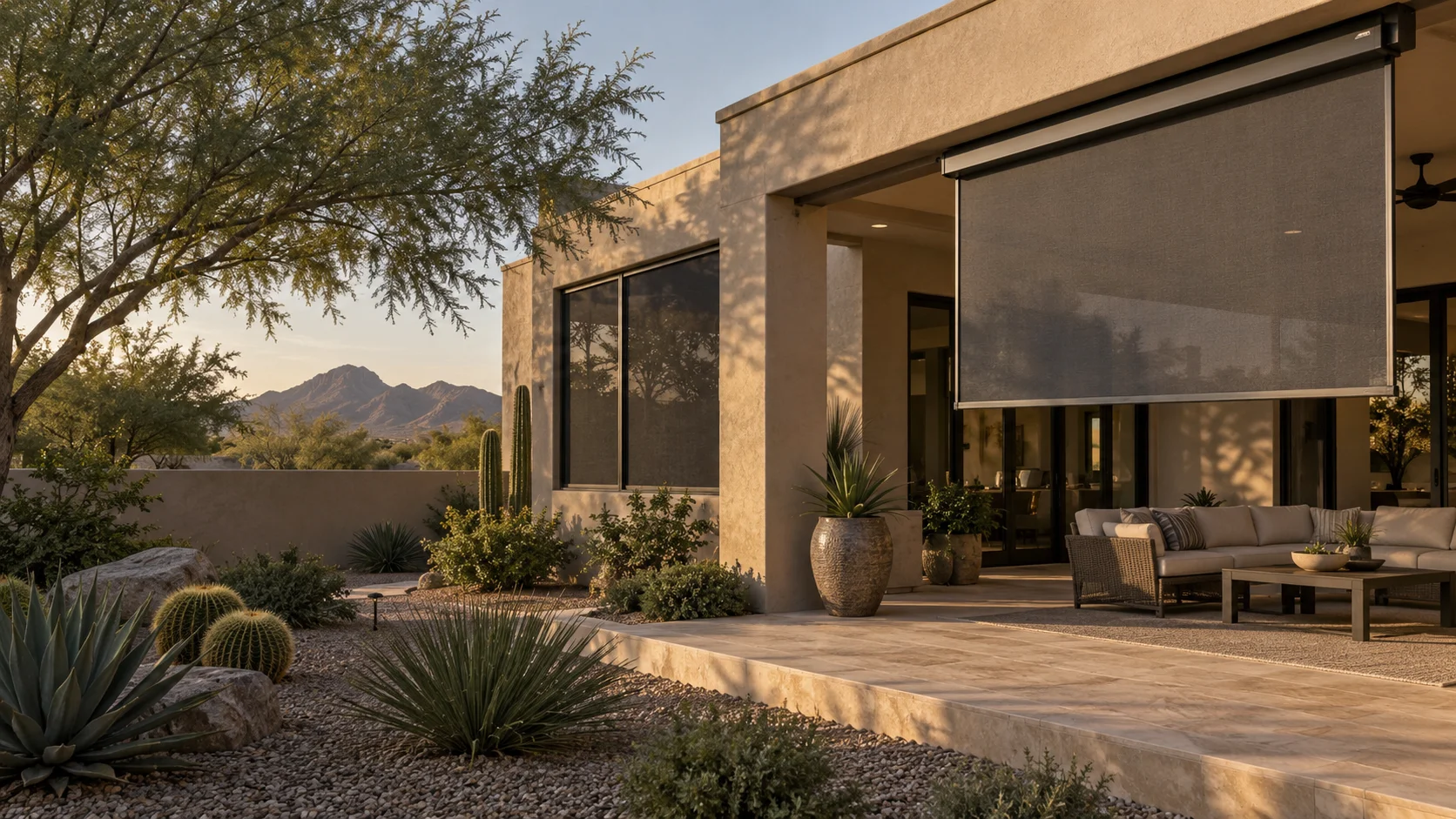
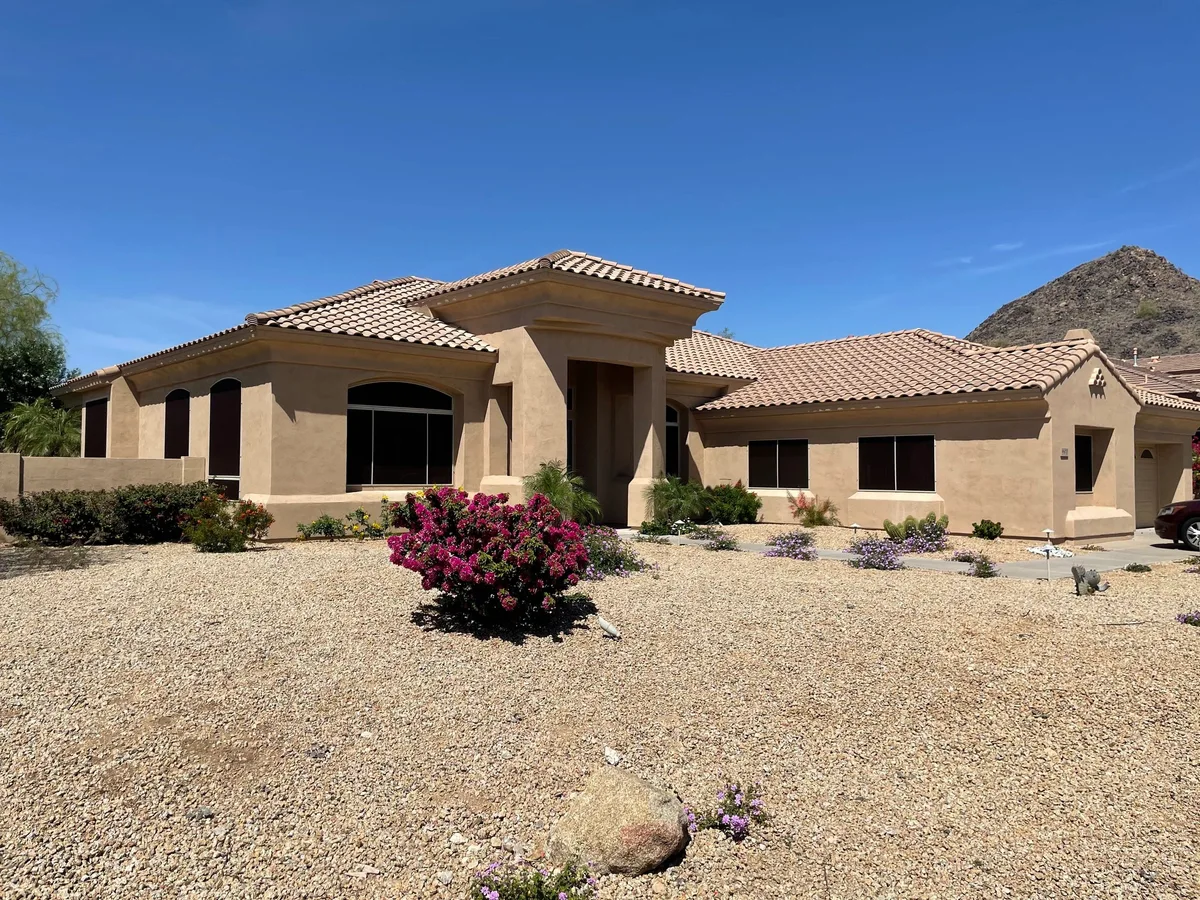
Phoenix sun can be a bit much, right? One minute you’re enjoying that desert glow, the next your living room feels like a toaster. If you’re a homeowner in the Valley, choosing the right Window Sun Screens isn’t just about comfort; it’s about protecting your furniture, trimming your energy bill, and keeping that view you paid for. Let me explain how the different types of window sun screens stack up. what they do well, where they fall short, and which ones make the most sense for Phoenix homes.
First, what exactly counts as a “sun screen” in Phoenix?
Most folks picture the regular bug screen. that’s not it. A true sun screen is a denser, UV-resistant mesh mounted on the exterior of your window. It reduces solar heat before it hits the glass, which is the key. Less heat on the glass means less heat radiating indoors.
Compare the exact material and installation scope before relying on a performance or price claim. The published operator range confirms SunTex 80/90, bug screening, TuffScreen and PetScreen options; other models, prices, compatibility, and results require their own confirmation.
You know what? Exterior is the magic word. Interior films and drapes help, but they don’t stop the heat at the source the way exterior screens do.
80% vs. 90% solar screens: The classic Phoenix debate
This is the question we hear daily: “Do I go 80 or 90?” Short answer: it depends on your priorities.
- Mesh names, shading, UV performance, openness, and household energy use are different measurements. Review the exact fabric data and an actual sample rather than assuming one number describes them all.
Mesh materials: Polyester, fiberglass, and pet-tough options
If you’ve got an acrobatic lab or an overly curious cat, ask about pet-resistant solar mesh. It’s thicker and tougher, so it handles paw traffic better without giving up too much shade.
We occasionally hear from folks who’ve tried interior “privacy screens.” They look sleek. But in Phoenix, exterior solar mesh wins on performance because it stops solar gain before it starts.
Color choices: Dark vs. light, and what it means for your view
Color isn’t just about curb appeal. It changes how the screen behaves.
- Dark colors like black or charcoal absorb more light, cut glare, and offer the clearest view out. They also give better daytime privacy.
- Lighter colors like stucco or beige reflect light and can look softer against certain homes, but they can increase glare and reduce clarity a bit.
Here’s the counterintuitive part: darker screens can feel cooler because your eyes aren’t fighting glare. That’s why many Phoenix homeowners choose charcoal on the glass and match the frame to the house trim for a clean, custom look.
Quick compare: What each screen type does best
| Screen type | What it does best | Best for |
|---|---|---|
| 80% polyester solar mesh | Balanced shade, good visibility, solid UV protection | General use, north and east windows, rooms with views |
| 90% polyester solar mesh | Maximum glare cut, high privacy, serious heat reduction | West and south windows, TV rooms, hot offices |
| Pet-resistant solar mesh | Durability against claws and curious noses | Lower windows, patios, homes with pets and kids |
Frames, fit, and installation: The little details that matter
A screen is only as good as its fit. Most sun screens use powder-coated aluminum frames with mitered corners. We measure each opening, account for stucco returns, and build to fit. tight, but still removable for cleaning and egress.
- Direct-mount vs. clip-in: Direct-mount gives the tightest fit and cleanest lines on stucco. Clip or turn fasteners allow quick removal from inside or out.
- Egress and safety: Bedroom windows need easy exit. We use tabs or fasteners you can pop in seconds.
- HOA-friendly: Most HOAs in the Valley allow solar screens if colors match trim and the look is consistent. We help you match frames and mesh so it feels factory-made.
During monsoon season, a snug screen actually helps keep dust out when the window’s cracked for airflow. Not perfect. nothing is during a haboob. but every bit helps.
Screens vs. window film vs. exterior shades: When each one wins
We install and love exterior solar screens. They punch above their weight on heat control for the cost. Still, let’s be honest about tradeoffs.
- Exterior solar screens: Best bang for your buck on most homes. Airflow, glare control, UV fade protection, daytime privacy. Minimal maintenance.
- Window film: Great if you need a nearly invisible look or HOA says no screens. Strong UV control. But it doesn’t stop heat before the glass, and it can affect warranty on some windows. always check.
- Exterior roll-down shades: Amazing for patios or oversized openings. More expensive. Mechanisms need periodic care.
Energy savings and rebates in Phoenix
SRP has offered an SRP shade screen rebate in recent years for qualifying installations on east, west, or south-facing windows. Program details change, so check SRP’s website or ask us to confirm current terms before you plan your project. Either way, well-fitted screens are a long-haul energy upgrade in our climate.
Care, cleaning, and how long they last
Maintenance is light. Rinse with a hose now and then. During heavy pollen or dust, a soft brush with mild soap brings them back fast. Avoid pressure washers; they’re overkill.
Quality PVC-coated polyester in Phoenix usually lasts many years, even in full sun. Frames hold up too, especially when powder-coated. If a screen’s ever damaged, the frame can be re-screened without replacing the whole thing. nice break for the wallet.
How to choose: A quick, no-nonsense guide
If you’re color-torn, we can bring samples to your home at different times of day. Morning light vs. 4 p.m. light tells very different stories in Phoenix.
Why Arizona Screen Company for Phoenix homes
We build for this climate. That means heat-rated mesh, sturdy frames, and a fit that handles stucco quirks without looking clunky. We also keep it practical. clean sightlines, easy removal where you need it, and solid fasteners that don’t rattle when the wind kicks up.
You’ll get straight talk on the 80 vs. 90 question, plus honest guidance on color and placement. And if your HOA needs a sample or a spec sheet for approval, we’ll help with that too.
Honestly, the goal is simple: cooler rooms, calmer glare, and a house that still feels like yours. just a lot more comfortable from May to October. And yes, April and November can bite too.
Ready to compare sun screens for your Phoenix home?
If you’ve been squinting through your living room or timing chores around blistering afternoon light, screens can help fast. We’ll measure, show real samples, and walk you through choices so you can pick what feels right.
Call Arizona Screen Company at 480-771-2543 or Request a Free Quote. We’ll help you choose the right window sun screens. so your home stays cooler, your view stays yours, and summer feels a little less loud.
Apply it to your opening.
Compare Solar Screen Options for the product choices, fit, materials, and assessment relevant to this topic.
Installation and service are provided by Arizona Screen Techs. The written project scope confirms the exact product, access, and any applicable warranty.