
You just had your screens fixed. They look crisp again, the breeze rolls in, and the bugs stay out. Now comes the real question: how do you keep them that way. especially in Phoenix, where the sun plays for keeps, the dust gets everywhere, and monsoon winds love to test your patience? Here’s a plain-English guide from the team at Arizona Screen Company to help your repaired screens last longer, look better, and keep doing their job without fuss.
What Wears Out Screens In Phoenix? Let’s Name The Culprits
Before we get into care, it helps to know what you’re up against. Phoenix screens deal with more than just the occasional moth. The desert has its own rulebook.
Sun and UV: Long, hot summers cause fading and brittleness. especially on rubber spline and older fiberglass mesh. Aluminum holds up better to heat but can dent or crease.
Wind and dust: Haboobs and monsoon gusts push grit into mesh and tracks. That grit acts like sandpaper if it sits too long.
Water and sprinklers: Overspray leaves hard-water spots and can corrode frames over time. Oddly, screens handle a gentle rinse well. but hate high-pressure blasts.
Kids and pets: Little hands love to lean. Dogs think screens are see-through toys. Both can stretch mesh or pop spline loose.
Everyday bumps: Sliding doors get slammed. Patio furniture scrapes frames. Those small hits add up.
If that sounds like a lot. well, it is. But with a few small habits, you can add years to your window screens and screen doors. Let me explain.
Clean the Right Way: Gentle, Quick, Consistent
Dust seems to drift in like it pays rent. A gentle clean keeps grit from chewing up mesh and hardware. You don’t need special tools. just timing and a light touch.
How to clean your screens:
- Brush first: Use a soft brush or the brush attachment on a vacuum to lift loose dust. Start at the top and work down.
- Rinse from the “clean” side: If you can remove the screen, lay it flat and rinse from the inside out. On fixed screens, spray gently from indoors if possible. It pushes dirt out instead of deeper in.
- Use mild soap: A tiny drop of dish soap in a bucket of water is enough. Wipe with a microfiber cloth or soft sponge. no scouring pads.
- Skip the pressure washer: Tempting, but it forces mesh to stretch and can blow out the spline.
- Air-dry in shade: Hot sun can spot and warp. Shade drying is kinder.
How often? In Phoenix, a light monthly rinse from March through October makes a big difference. After a monsoon or dusty day, a quick brush-off saves you time later. And for solar screens like Phifer SunTex 80 or 90, the same rules apply. gentle and consistent wins.
You know what? Screens love water. Except they don’t. when it’s blasting through a nozzle. Keep it easy and you’ll see the payoff.
Sun and UV: Give Your Screens a Little Shade
Heat is relentless here, so we work with it. Darker meshes like solar screens reduce glare and protect interiors. plus, they tend to hide dust better. But even tougher meshes appreciate a break from the sun.
What helps:
- Overhangs and awnings: Even a small overhang above south- or west-facing windows cuts UV exposure.
- Color choices: Dark bronze frames handle desert sun well and often play nicer with HOAs. Quick note: check with your HOA before changing frame colors.
- Routine checks: UV can make spline brittle. If you notice rubber that looks chalky or cracks when pressed, it’s time to re-spline before the mesh loosens.
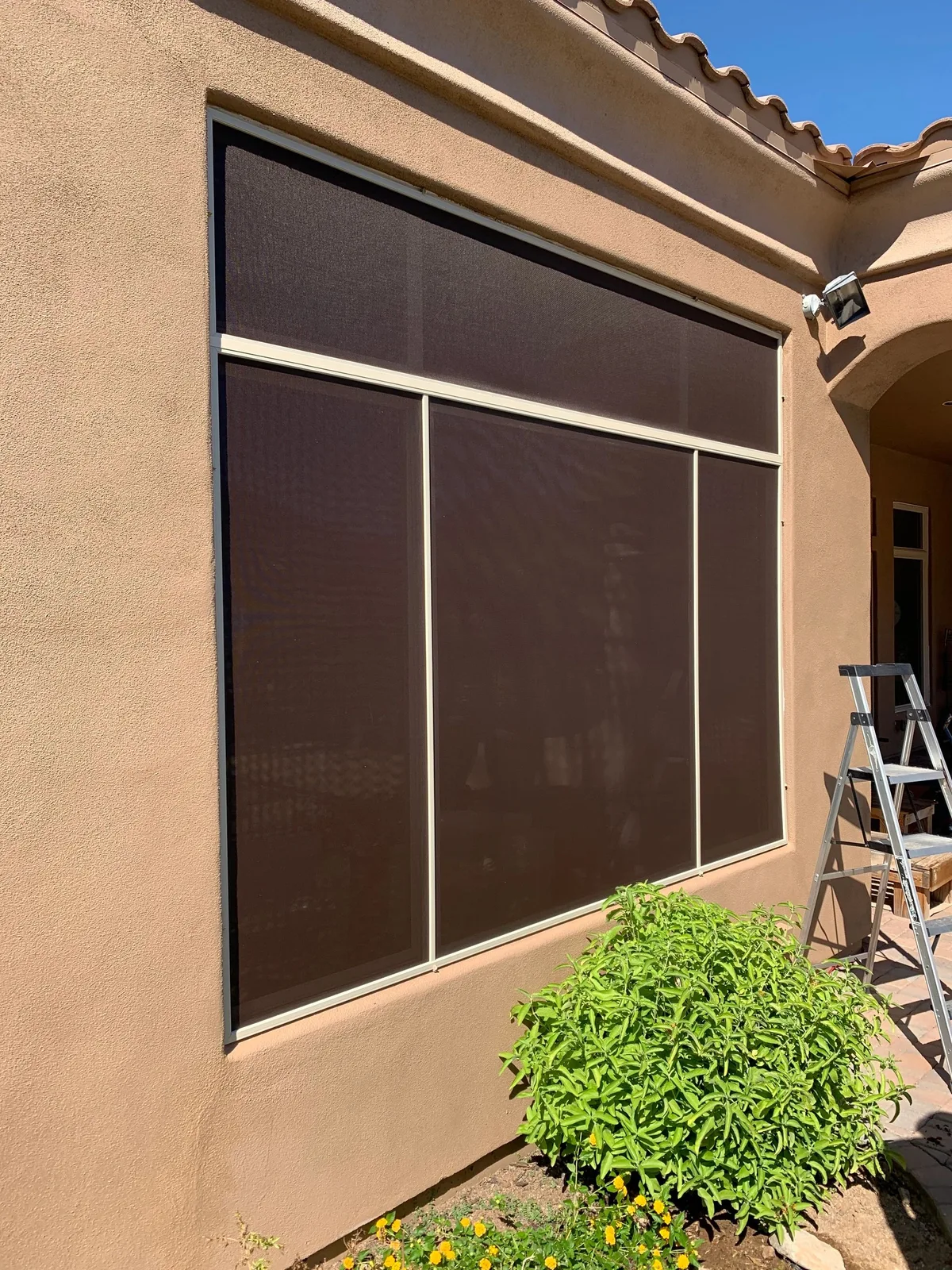
Not sure what mesh you’ve got? If you see a tight weave that blocks more sun, that’s likely a solar screen. If it’s brighter silver and a bit shinier, that’s aluminum. Both have strengths. we’ll compare them below.
Frames, Corners, and Spline: The Hidden Heroes
most “mystery” screen failures aren’t from torn mesh. They start at the edges. The spline (that rubber cord) holds everything tight, and the frame corners take all the stress.
What to do:
- Inspect corners: Make sure the frame’s corner keys aren’t cracked. If a corner wiggles, call us. frames can often be squared and saved.
- Protect the spline: Wipe it clean during washes. On older vinyl, a light application of a UV protectant like 303 Aerospace Protectant on a cloth (not sprayed directly) can help slow drying and cracking. Test a small area first.
- Touch-up scratches: Tiny scratches on aluminum frames invite corrosion. A quick touch-up with matching exterior paint keeps them sealed.
Small contradiction, but worth noting: screens are flexible, and yet rigidity matters. That tight, square frame keeps mesh aligned so it won’t sag a month after repair.
Sliding Screen Doors: Tracks, Rollers, and a Little Patience
Most screen door problems come down to dirty tracks and tired rollers. The fix is usually simple and quick.
Maintenance routine:
- Vacuum the track: Sand and pet hair pile up fast. Vacuum, then wipe with a damp cloth.
- Use silicone spray: A dry silicone lubricant keeps wheels rolling without the gummy mess you get from oil. Avoid heavy oils or WD-40 on tracks; they attract dust.
- Adjust the rollers: Tiny screws near the bottom or top raise and lower the door. The goal is smooth travel and a door that doesn’t hop off the track.
- Add a push bar or kick plate: It gives hands and shoes a safe “target” so the mesh gets a break.
If your door still drags or the frame’s bowed, the roller assemblies may be shot. We replace those all the time during screen door repair service calls across Phoenix.
Pets Without the Panic: Make It Tougher, Not Uglier
We love our four-legged friends, but claws and mesh don’t always mix. The trick is to reinforce without making your patio look like a kennel run.
Smart pet upgrades:
- Pet-resistant mesh: Products like Phifer PetScreen look clean and resist tears way better than standard fiberglass.
- Pet grilles: A low-profile grille at the bottom of a door protects the high-impact zone. Simple, sturdy, and not overbearing.
- Place the pet door wisely: If you’re adding a pet door, position it where your dog naturally approaches. less confusion, less scratching.
And yes, a little training goes a long way. A clear “wait” at the door can save you from another repair call next spring.
Monsoon Season Rituals: Five Minutes Before the Wind
When the sky turns that familiar dusty brown, a few quick steps can save your screens.
- Latch doors and windows: It sounds obvious, but lots of damage happens when a door gets yanked off its track mid-gust.
- Secure loose panels: On patios with removable panels, clip them in firmly or store them flat in the garage for the night.
- After the storm: Rinse off dust while it’s fresh. Grit gets sticky if it sits for days in the heat.
Honestly, a little attention here pays off big-time during August’s wild nights.
Sprinklers and Hard Water: Quiet Screen Killers
Arizona water leaves spots. Sprinklers speed that up, and minerals can stain mesh or pit frames.
Simple fixes:
- Angle sprinkler heads: Keep the spray off glass and screens. Your stucco will thank you too.
- Deal with water spots: Wipe fresh spots with a 50/50 mix of white vinegar and water, then rinse. Don’t let it bake on the mesh.
- Seal the ground line: Where the frame meets concrete, keep debris cleared so water doesn’t pool and creep into the corners.
Screens and water can get along. just not on hard-water terms.
Seasonal Swaps and Storage: For Solar Screen Households
Some Phoenix homeowners use solar screens most of the year and switch to standard mesh in winter for more light and warmth. If you do that, store smart.
Storage tips:
- Keep them vertical: Store screens upright, not stacked flat. Use cardboard or foam between panels.
- Label by room: Blue tape and a Sharpie save a lot of head scratching next season.
- Protect corners: Slip pieces of pipe insulation or foam over the edges. It prevents dents when things shift.
Quick side note: if you love your winter sun, talk with us about a mixed setup. solar screens on the hottest exposures and standard mesh where you want more daylight.
What Lasts Longest In Phoenix? A Handy Cheat Sheet
Every material has a sweet spot. Here’s a simple look at how long common meshes tend to last in our climate and what they need from you.
| Material | Typical Phoenix Lifespan | Care Tip |
|---|---|---|
| Fiberglass insect screen | 3-5 years | Monthly gentle rinse; watch spline for drying |
| Aluminum insect screen | 5-7 years | Avoid dents; light brush clean; touch up frame scratches |
| Pet-resistant mesh (e.g., PetScreen) | 5-10 years | Keep claws trimmed; add a pet grille for doors |
| Solar screen (SunTex 80/90) | 8-12 years | Gentle wash; expect some color fade over time |
Note: Exposure matters. West-facing windows fade faster; shaded patios age slower. And of course, regular window screen maintenance stretches those numbers.
DIY vs. Call the Pros: How To Decide
Plenty of upkeep is homeowner-friendly. cleaning, track care, small adjustments. But certain repairs pay to get right the first time.
Call Arizona Screen Company if you notice:
- Bow or twist in frames: A bent frame won’t hold tension well, and the mesh will sag early.
- Loose corners: Broken corner keys need replacement, not just more spline.
- Rollers that won’t adjust: If a screen door keeps jumping tracks, new roller assemblies may be due.
- Security or specialty screens: These need the right tools and hardware for a safe, clean fit.
We run mobile service across the Valley, and yes. we carry pet mesh, solar screens, new rollers, and matching frames on the truck. Fast fixes, clean installs, and advice you can actually use.
Tiny Habits That Add Years
A minute here, a minute there, and your screens last longer. Simple as that.
- Brush and rinse monthly: Especially after big winds.
- Check corners quarterly: Press gently. if it flexes, it needs attention.
- Lubricate tracks with silicone: Twice a year for smooth sliding.
- Redirect sprinklers: Watch one cycle, then tweak.
- Teach a “no push” rule: A quick reminder for kids and guests helps more than you’d think.
It’s not about perfection. It’s about small, steady care in a climate that’s, well, not so gentle.
Ready When You Are
If your screens need a little love. or a full refresh. we’re here to help Phoenix homeowners keep breezes in and headaches out. Reach Arizona Screen Company by phone at 480-771-2543, or Request a Free Quote. Friendly advice, clean installs, and sturdy screens that stand up to the Valley sun. because your home deserves the easy kind of comfort.
Apply it to your opening.
Ask About Screen Care or Repair for the product choices, fit, materials, and assessment relevant to this topic.
Installation and service are provided by Arizona Screen Techs. The written project scope confirms the exact product, access, and any applicable warranty.