

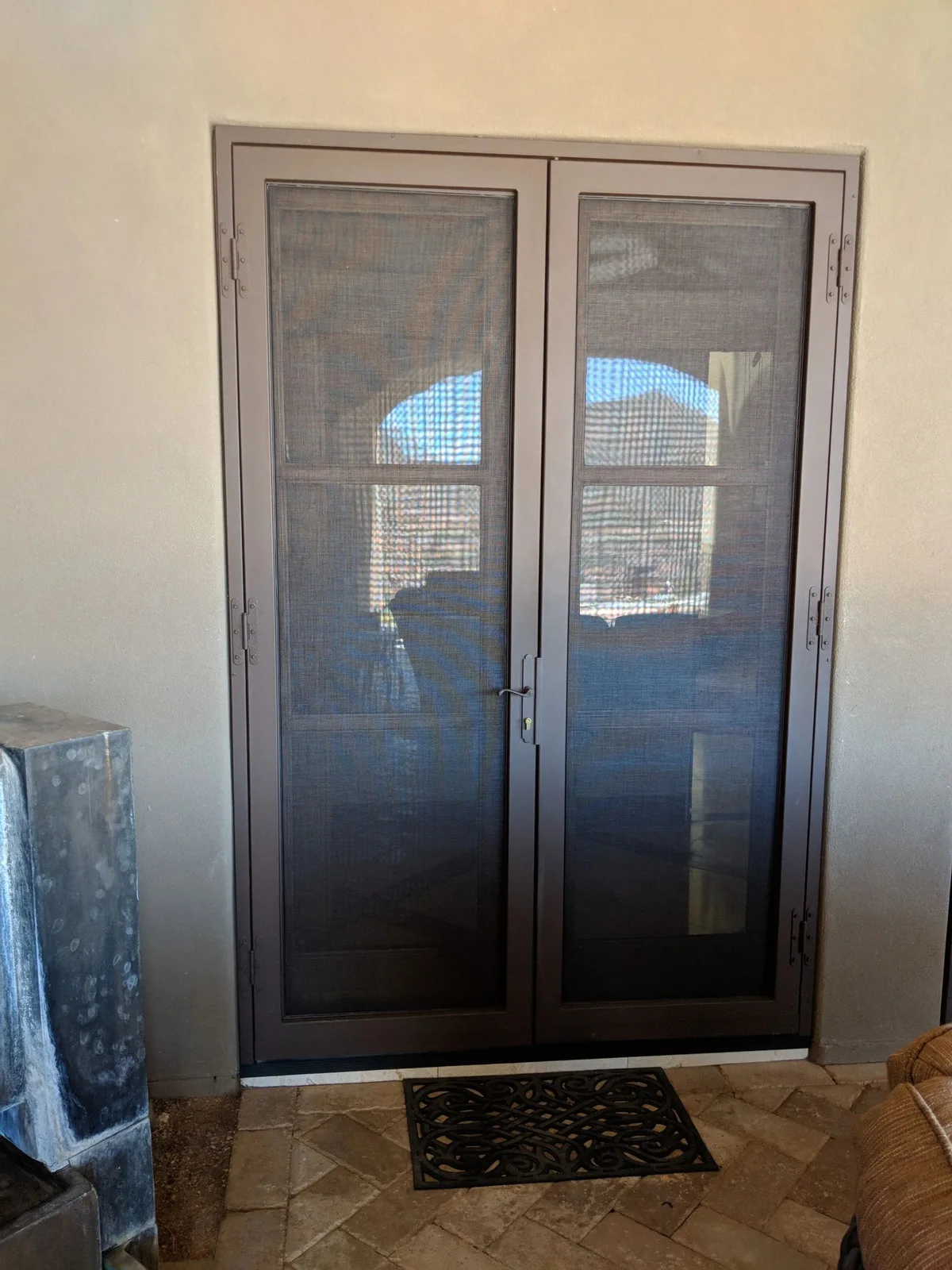
What EPA identifies as the main approaches
EPA’s indoor-air guidance describes source control, improved ventilation, and air cleaners or filtration as separate strategies. Their usefulness depends on the actual pollution source and situation.
Opening a window can increase natural ventilation. The insect screen’s purpose is screening the opening, not establishing a tested particle-removal performance.
Do not turn the general benefit of ventilation into a promise that a particular mesh cures allergies, removes smoke, prevents mold, or produces a medical outcome.
Outdoor air is part of the decision
EPA advises carefully evaluating ventilation where outdoor pollution sources such as smoke are nearby. Bringing outdoor air inside is not automatically the right response to every indoor-air problem.
Consider the conditions and the relevant advice for the household. A sunny day or an intact screen is not proof that the outdoor air is suitable for opening every window.
If someone has a particular health concern, seek appropriate guidance rather than relying on a screen installer’s general material description as medical advice.
What ordinary screens can do
An intact, close-fitting screen can help keep insects outside while allowing air through an open window or door. Tears, gaps, a bent frame, or missing attachments can undermine that screening function.
Heavier-duty mesh may suit frequent contact or pets. Solar mesh adds a sunlight-management choice and can affect visibility, light, and airflow. None of those descriptions establishes a certified air-cleaning performance.
Select the material for the actual opening and confirm compatibility with the frame or door system.
| Decision | What it concerns |
|---|---|
| Insect screening | Mesh, frame fit and pest-entry gaps |
| Natural ventilation | Outdoor air entering through an opening |
| Source control | Reducing or removing an indoor pollution source |
| Filtration | Appropriate equipment and documented removal performance |
| Solar shading | Sunlight at the glass, glare, daylight and view |
Do not confuse dust on mesh with filtration proof
A screen can collect visible dirt during use. That observation does not measure its effectiveness at removing fine particles or gaseous pollutants.
EPA explains that air-cleaner effectiveness involves collection efficiency and the amount of air moved through the device. General mesh photographs or fabric names do not provide those measurements for a household air-cleaning system.
Use an appropriate air-cleaning product and guidance where filtration is the goal. Do not substitute ordinary screening or an unverified marketing claim.
Keeping the screen in useful condition
Clean the material using methods appropriate to the selected fabric and frame. Inspect edges, corners, attachments, and fit when doing routine care.
A torn or loose panel may need rescreening or a frame assessment. A door that drags also needs its operating parts considered separately from the mesh.
For a screen project, tell the team whether you need insect control, durability, solar shading, or repair. Keep an air-quality requirement separate so it can be addressed with the right product and advice.
Apply it to your opening.
Compare insect screening and frame fit for the product choices, fit, materials, and assessment relevant to this topic.
Installation and service are provided by Arizona Screen Techs. The written project scope confirms the exact product, access, and any applicable warranty.
Questions before you decide.
Do normal insect screens filter smoke?
No rated smoke-removal or air-cleaning performance is claimed for the ordinary mesh offered here.
Does opening a screened window always improve air quality?
Not necessarily. Outdoor conditions and the indoor source matter; EPA specifically advises considering nearby outdoor pollution.
Can a screen cure allergies or prevent mold?
No medical or mold-prevention result is promised here. Source control, ventilation, and appropriate filtration are different decisions.
What should I ask the screen installer about?
Ask about the opening, fit, compatible fabric, durability, shading, cleaning, and repair scope.