
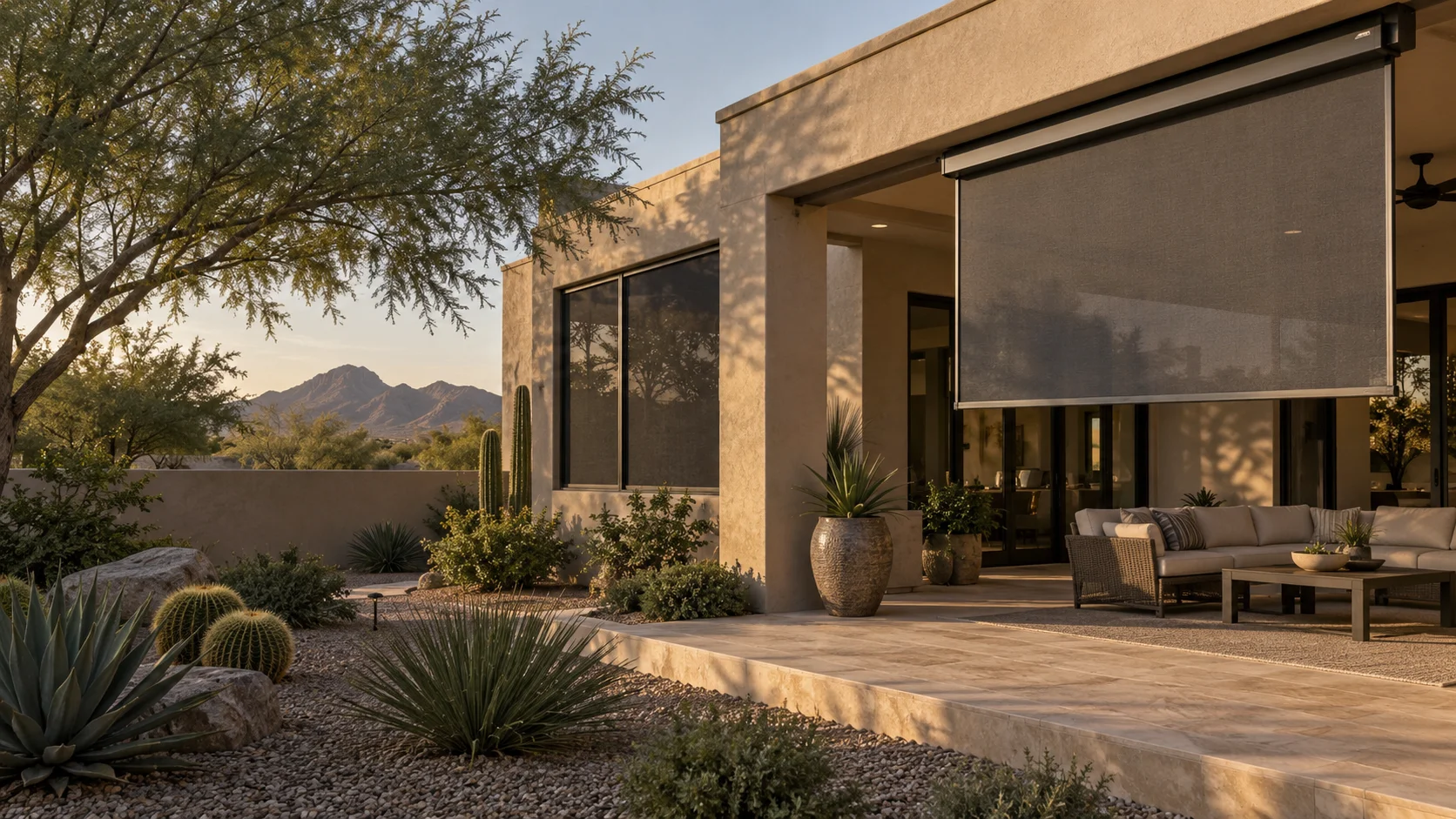
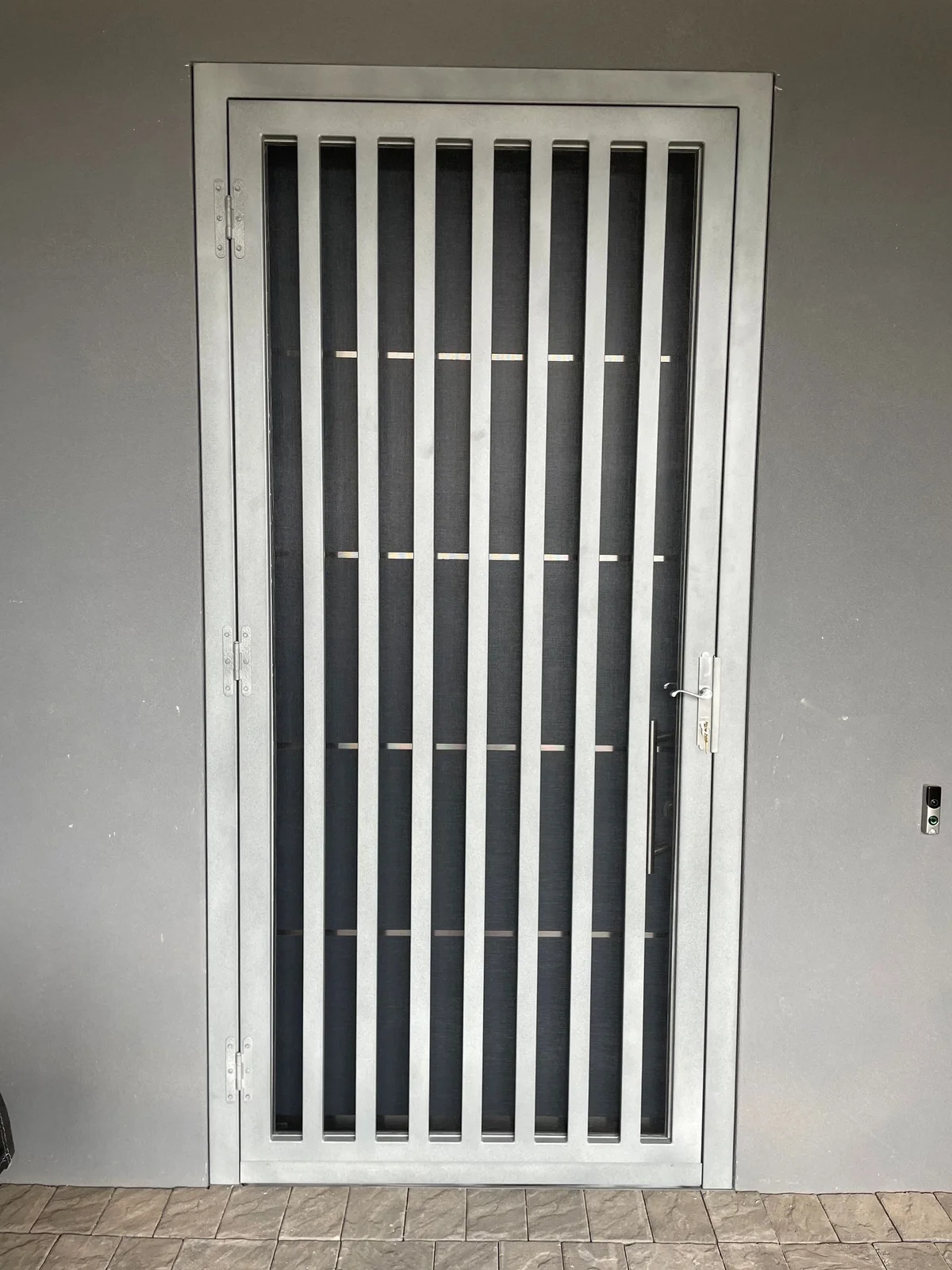
Evenings in Phoenix earn their reputation. The sun backs off, the air loosens its grip, and you can finally hear your backyard again. Crack the patio door and there it is. the cross-breeze that cools a room faster than any ceiling fan. But there’s a catch. Bugs, dust, even the small worry that the door’s wide open. That’s where a well-built sliding screen door earns its keep: fresh air in, hassles out, with a touch of calm you feel right away.
Why Sliding Screen Doors matter more in Phoenix than you’d think
Let me explain. In our desert climate, timing is everything. Mornings and evenings are prime time for natural ventilation. A properly fitted screen door lets you flush out the day’s heat without running the AC longer than you need. That’s not a magic trick; it’s physics and airflow.
Open a window on the shady side, slide your patio door screen in place, and you’ll feel cross-ventilation do its thing. That movement of air carries out heat and indoor odors while bringing in cooler, drier air. The payoff? A home that feels fresher, with fewer stale spots. It also means your HVAC gets a small break. It’s not a massive energy shift every day, but across a season, it can add up.
And because this is Phoenix, there’s a bonus: screens reduce some glare and can filter a bit of UV if you choose a solar mesh. On late afternoons, that helps cut hotspots around the kitchen or great room. Small change, real comfort.
Ventilation you can feel, minus the pests and dust
Honest truth. screen mesh is a balancing act. More airflow usually means a wider weave; better bug control or dust resistance often means a tighter mesh. The goal is to match the mesh to how you live. If mosquitoes find you every dusk, a denser “no-see-um” mesh helps. If you want maximum breeze and you’re far from standing water, a standard 18×16 fiberglass mesh breathes better.
You know what? Phoenix also has dust. After a windy afternoon or a quick haboob, a tight mesh can help keep the grit outside while still letting air move. It won’t stop dust completely. nothing short of a sealed door can. but it noticeably reduces those telltale tracks on your flooring right by the slider.
| Mesh Type | Best For | Notes |
|---|---|---|
| Standard 18×16 Fiberglass | General airflow and bug control | Soft feel; great breeze; budget-friendly |
| 20×20 “No-See-Um” Mesh | Small insects, light dust | Denser weave; slightly less airflow |
| Pet-Resistant Mesh (e.g., Phifer PetScreen) | Homes with dogs or active kids | Thicker, tear-resistant; durable, long-lasting |
If you want a stronger barrier without feeling “closed in,” we can pair a high-visibility mesh with a darker frame. The eye reads through darker screens more easily, so your view stays crisp while the mesh still works hard. It’s a small design trick, but homeowners love it.
For searchers, yes. this is where those keywords live: bug-free ventilation, smooth glide, and everyday comfort with sliding screen doors Phoenix homeowners count on.
Security, without turning your patio into a fortress
Screen doors aren’t deadbolts. But the right setup adds meaningful peace of mind. Modern sliding screen doors use mortise locks that engage the frame; add a foot bolt or security pin, and you’ve created a solid secondary barrier. Anti-lift tabs help prevent the panel from being raised out of its track. an underrated feature that matters.
Compare the exact material and installation scope before relying on a performance or price claim. The published operator range confirms SunTex 80/90, bug screening, TuffScreen and PetScreen options; other models, prices, compatibility, and results require their own confirmation.
Is it perfect security? No. The primary door remains your first line of defense. But paired with a quality lock and anti-lift hardware on the screen, you get more time, more deterrence, and a safer feeling when you want the door open to the breeze.
Build quality: what separates a great slider from a headache
Here’s the thing. cheap screens look fine on day one. Weeks later, they drag, rattle, or jump the track. That’s not your fault. That’s roll-formed frames, plastic rollers, and flimsy corners giving up too early.
We prefer extruded aluminum frames. They’re thicker and more rigid, so they stay square. Pair that with stainless or steel ball-bearing rollers, and the panel glides even when the track has seen a little desert grit. Mortise handles with metal keepers hold better than surface-mount latches. Add a crossbar and a bottom bug sweep to seal the gap and brace the panel. The details do the heavy lifting.
- Extruded aluminum frames resist warping and feel solid in hand.
- Steel ball-bearing rollers glide smoother and last longer.
- Mortise locksets sit inside the frame for security and clean looks.
- Anti-lift devices stop the screen from being popped out.
- Bug sweeps and tight corners keep out pests. and yes, those tiny desert intruders.
If you’ve got a high-traffic patio. kids racing out for pool time, dog paws thumping the lower third. these specs matter even more. You’ll notice the difference every single day.
Looks matter: colors, glass sliders, and pet-friendly tweaks
Style counts. We build screens to match white, bronze, desert tan, almond, and sleek black frames so your door doesn’t look “added on.” Prefer something subtle? Ask us about low-profile handles that clear drapery or vertical blinds.
Have pets? A lot of Phoenix homes do. Consider a pet-resistant mesh, a kickplate or grille at the bottom, or even a built-in pet door that seals well. It keeps the screen from turning into a chew toy and saves you from that “oops, the dog ran through it again” moment. For sun-heavy exposures, a solar mesh on the slider can trim glare on the floor and cool down the handle area in late afternoons.
HOA concerns come up sometimes. We can color-match and keep sightlines clean, so the screen looks like it shipped with the door from day one.
Maintenance in our desert: the five-minute routine
Dust and screens have a love-hate thing. The fix is simple: a quick vacuum of the track and a soft brush on the mesh every few weeks, more if a storm just rolled through. A light rinse also works. hose from the outside in, gently. No pressure washers; they can stretch or damage seams.
For rollers, a silicone-based spray on the wheel axles helps, not on the track itself where it can attract grit. If you see standing water after rain, clear the weep holes with a cotton swab or a thin plastic pick. And if the slider starts to drag, the roller height probably needs a bump. most have small adjustment screws at the bottom or top.
This little routine keeps your screen working like new. Short, sweet, effective.
DIY or call a pro? A quick reality check
Measuring a sliding screen door sounds easy. Measure height and width, buy a panel, done. right? Sometimes. But many patio doors in Phoenix aren’t perfectly square anymore. Houses settle; tracks wear; original doors get replaced. A store-bought “standard” panel can rattle, bind, or leave a bug gap.
Pros measure in three spots for height and width, check the out-of-square variance, and build to the tightest fit that still glides. We also match the roller style to your track so it rolls correctly. It’s a small craft, this stuff. And when it’s right, you feel it the first time you slide it with two fingers.
Arizona Screen Company does on-site measuring and custom builds. That’s how we make sure sliding screen door replacement feels simple on your side. and the finished door fits like it’s always been there.
Costs and timelines, without the guesswork
Prices vary with frame type, mesh choice, hardware, and size. Standard fiberglass mesh with a solid extruded frame sits at the friendly end of the spectrum. Pet-resistant and security meshes cost more, but they also last longer and save headaches if you’ve got active households. We’re happy to ballpark by phone and then confirm on-site so there are no surprises.
Turnaround? Many installs are same week. If you’re choosing a specialty mesh or a custom color, add a bit more time. Either way, we keep you posted so you’re not left wondering.
Why Arizona Screen Company? Local know-how, steady workmanship
We’re local. We know monsoon grit, stucco quirks, and the way southwest sun beats on a patio slider. Our team builds and installs custom sliding screen doors across the Phoenix metro, using quality mesh from names like Phifer and durable, extruded frames that hold up in heat. We carry parts on the truck, fit on-site, and stand behind what we install.
Looking for retractable screen doors for a cleaner look? We’ve got those too, with low-profile cassettes and smooth return. Need heavy-duty security screen doors for a slider? We can spec stainless mesh, multi-point locks, and anti-lift stops. It’s all about matching gear to how you live.
Our promise is straightforward: the right mesh, the right frame, and a fit that glides true. If something’s off, we make it right.
Ready for a cooler breeze and a calmer mind?
If your patio slider sticks, rattles, or lets bugs gate-crash your evening, we can help. Arizona Screen Company builds screens that breathe, secure, and look like they belong.
Call us at 480-771-2543 to speak with a friendly local tech, or Request a Free Quote and we’ll schedule a visit. Fresh air should be simple. We’ll make sure it is.
Apply it to your opening.
Review Purpose-Built Door Options for the product choices, fit, materials, and assessment relevant to this topic.
Installation and service are provided by Arizona Screen Techs. The written project scope confirms the exact product, access, and any applicable warranty.