

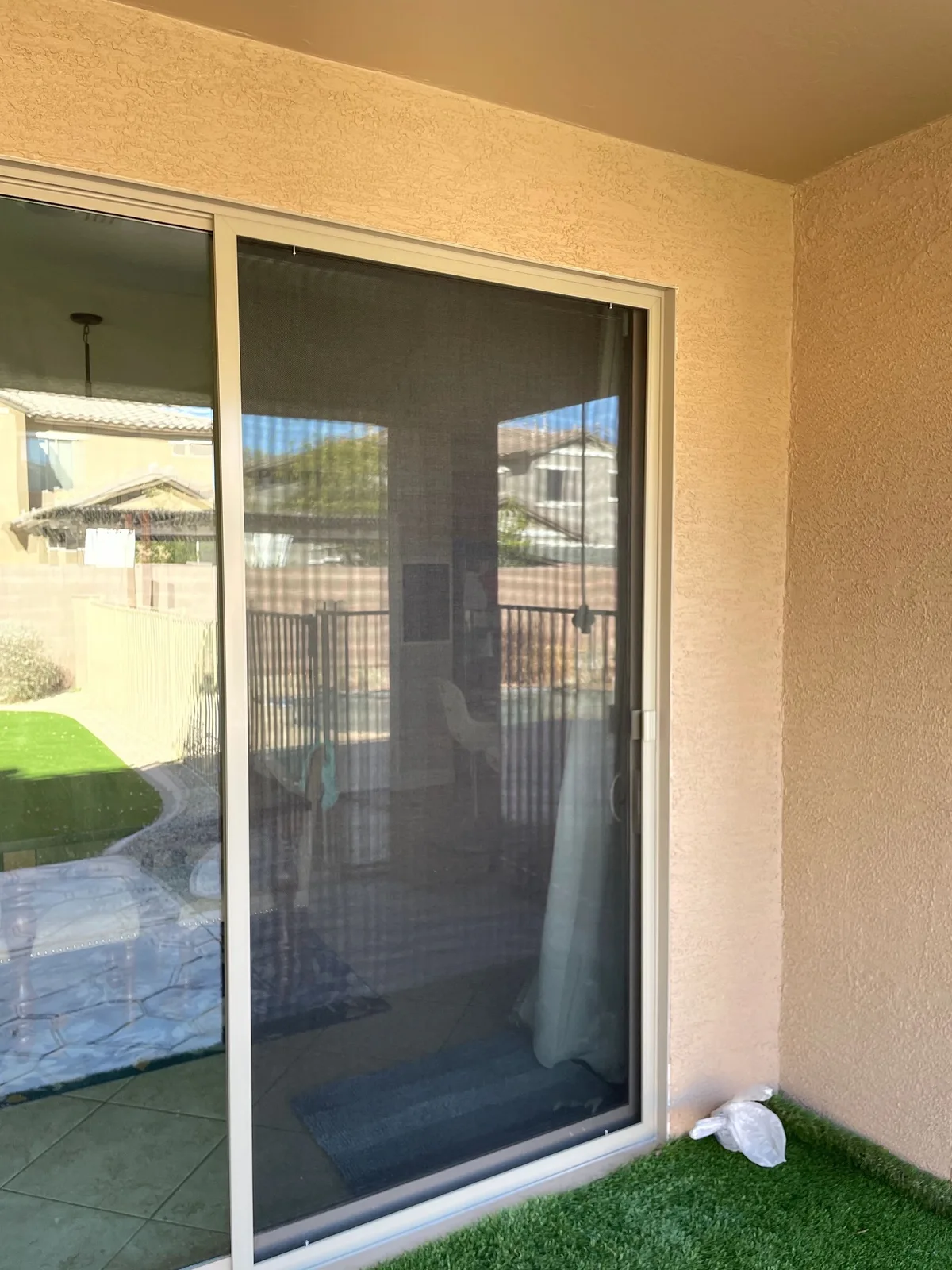
When you live in Phoenix, shade isn’t a luxury; it’s a daily survival tool. If you’ve invested in a Retractable Sun Shade, you already know the joy of stepping onto a cooler patio and not feeling like you’ve opened an oven door. Now the question is simple: how do you keep that shade gliding smoothly and looking sharp for years? Good news. maintenance is easy, and a few small habits can add seasons of life to your system. This guide is for homeowners who love their outdoor space and want a simple, no-drama plan to care for a retractable sun shade in the Valley sun. Let me explain how to keep yours in top shape without feeling like you signed up for a second job.
Why a little care goes a long way in Phoenix heat
Retractable shades are pretty low-maintenance. You don’t need a toolkit every weekend. Then again, Phoenix isn’t exactly gentle. UV rays beat down, dust gets everywhere (thank you, monsoon season), and fast winds can find any loose bolt. So while shades are built tough, a quick routine keeps the cassette, arms, fabric, and drive from wearing out before their time.
most wear doesn’t come from big problems. It comes from tiny friction points, gritty dust inside the moving joints, or fabric that stays wet long enough to let mildew take a shot. A few simple checks, done now and then, can keep your retractable sun shade in Phoenix working like it did on day one.
The 10-minute monthly rhythm
You don’t need to block off a Saturday. A short monthly loop does the trick, especially through spring and summer.
- Brush off dust with a soft broom or dry microfiber mop. especially along the front bar and within the arms. Keep it light.
- Quick rinse with a garden hose (low pressure) to move fine dust off the fabric. Let it air dry before retracting.
- Spot-check hardware at wall brackets and the front bar. If you see wobble, note it and plan a snug-up when the shade is fully retracted.
- Run it out and in once to keep the motor or crank happy. Listen for grinding or uneven movement.
- Glance at the fabric edges for fray or seam stress. Catching that early is everything.
Honestly, that’s it most months. Simple, quick, and it prevents almost every bigger headache we see.
Seasonal deep clean: after monsoon, before peak summer
Haboob rolled through? Patio looks like a beach? That’s your cue. A seasonal clean, two or three times a year, keeps your fabric. and your mechanism. running smooth.
Compare the exact material and installation scope before relying on a performance or price claim. The published operator range confirms SunTex 80/90, bug screening, TuffScreen and PetScreen options; other models, prices, compatibility, and results require their own confirmation.
Here’s a simple approach:
- Hose off first to move loose dust.
- Wash with mild soap. a splash of dish soap in a bucket of cool water. Use a soft brush or sponge. Work in sections.
- Rinse thoroughly until the water runs clear. No soap film.
- Let it dry fully before retracting. Arizona dries fast, but give it the time it needs.
Stains happen. Tree sap, sunscreen smudges, the occasional bird saying hello. Treat spots early and you’ll avoid the set-in look.
A quick cleaning mix and a few big “don’ts”
Try this: 1 teaspoon of mild dish soap plus 1 quart of cool water. For mildew on acrylic, a safe booster is 1 cup of bleach per gallon of water. test a tiny spot first, and never use bleach on solution-dyed acrylic more than necessary. For vinyl-coated mesh, avoid harsh solvents. And skip petroleum cleaners altogether; they can weaken fibers or cloud finishes.
One more thing: avoid hot water. It can shrink or stress fabric coatings. Cool or lukewarm is your friend.
Lubrication: smooth joints, happy shade
Moving parts are the soul of a retractable system. Keep them clean and lightly lubricated, and you’ll hear less squeak and feel less strain.
- Use silicone spray, not oil-based lubes. Silicone stays slick without attracting dust.
- Lightly mist pivot points on the arms and the end cap where the front bar rotates. Wipe away the extra.
- Don’t spray the fabric. overspray can mark it or leave a film that dust loves.
- Motorized units: keep the cassette area clean. No heavy lube on the motor. Replace remote batteries yearly so you’re not stuck mid-extend during a wind gust.
It sounds odd, but less is more here. You want glide, not goo. A tiny touch of silicone once or twice a year usually does it.
Fabric care: UV, water, and when to roll up
Acrylic fabrics are tough, colorfast, and made for the sun. You can refresh their water repellency with 303 Fabric Guard, applied after a thorough cleaning and full dry. That helps water bead and run, instead of soaking in. For vinyl-coated mesh, skip fabric protectants. most are unnecessary and can gum up the weave.
Roll it up wet? Try not to. We’ve all done it before a storm, and that’s fine for a day. But long-term storage while damp can invite mildew even here in the desert. If you had to retract while wet, extend it the next sunny window and let it cook dry in that Arizona sun.
Also, watch for pooled water after a rare soaking rain. If water sits, extend the shade slightly to let it shed. The weight of water can stretch seams over time.
Wind, monsoon, and the “when to retract” rule
Here’s a simple rule: if you’d feel uneasy sitting under it because the wind’s kicking up, put it away. Many manufacturers rate shades around moderate breezes, but monsoon gusts are another story. A gust can flex arms or stress the wall mounts even if the average wind feels fine.
Smart add-on: a wind sensor that auto-retracts motorized shades. Phoenix storms can arrive faster than your phone’s alert, and sensors react faster than we can. Manual unit? Keep your crank handy. And if the power goes out mid-storm, retracting early is. strangely. the easy choice you’ll be glad you made.
One more local quirk: dust loves to nest inside the front bar during haboobs. A quick hose rinse after storms keeps grit from turning the mechanism into sandpaper.
Hardware check: brackets, bolts, and what’s behind the stucco
Most failures we see aren’t fabric. they’re fasteners. The shade is only as strong as what it’s mounted to. Every few months, give the brackets a look. If you spot a hairline stucco crack or a bracket that shows even a hint of tilt, stop and schedule a check.
- Stainless hardware prevents rust stains and holds strong in heat. If yours isn’t stainless, watch for corrosion.
- Lag bolts should anchor into solid framing, not just stucco. If you’re unsure, don’t guess. ask a pro to verify.
- Galvanic corrosion can sneak in when mixed metals touch. If you see white powder or greenish staining around fasteners, note it.
And about torque: snug is good; over-tight is not. Crushing stucco or stripping wood weakens the mount. If a bracket’s loose, it’s a service moment, not a bigger wrench moment.
Quick table: common issues and fast fixes
| Symptom | Likely Cause | What To Try |
|---|---|---|
| Shade jerks while extending | Dust in arm pivots or slight fabric snag | Brush dust, light silicone at pivots, check edge hems |
| Won’t retract fully | Obstruction in cassette or fabric bunching | Inspect cassette, clear debris, run extend/retract cycle |
| Motor hums, no movement | Low remote battery or thermal timeout | Replace battery, wait 15 minutes, try again |
| Fabric looks wavy | Heat expansion or minor tension change | Let it cool, cycle once; if waves stay, call for tension check |
| Dark spots or mildew | Rolled while wet | Clean with approved mix, dry fully, consider fabric guard (acrylic only) |
You know what? Half the “big” problems vanish with a rinse, a dry, and a single click of silicone.
Storage, snowbirds, and weeks away
If you’re heading north for a bit, set your shade for success. Retract it fully, confirm it’s dry, and turn off any timers that might extend it while you’re gone. If you have a wind sensor, leave it active. Clear leaves from around the cassette so they don’t invite critters or hold moisture.
Phoenix doesn’t have a deep winter (lucky us), but cool nights bring condensation. Dry beats damp every time, so give the fabric air when you return if it’s been tucked away for a while.
Energy savings and everyday comfort
There’s a side benefit that lands on your utility bill. A clean, well-tensioned shade reduces glare and heat gain through windows by a surprising margin. especially during those late afternoon blasts on west-facing patios. Think of the shade as your home’s sunglasses. When the lenses are clean and the hinges move right, everything just works better. Less AC strain, more comfort.
When to call Arizona Screen Company
As a local crew, we know the drill: spring pollen from desert blooms, the gritty layer after a dust wall, and the wind that surprises you around South Mountain. We tune shades to that reality. and we stand behind the work.
A simple yearly checklist you’ll actually use
- Spring: Full wash, light silicone on pivots, battery swap in remotes.
- Mid-summer: Quick rinse, hardware check, confirm wind sensor sensitivity.
- Post-monsoon: Rinse off dust, inspect for storm stress, dry thoroughly.
- Before holidays: Clean touch-up, test extend/retract, look for bracket movement.
Repeat this rhythm and your shade pays you back with quiet, reliable comfort. Not fussy. just thoughtful.
Ready to keep your shade happy? Let’s make it easy
If your shade needs a tune-up. or you want a pro to sanity-check mounts, fabric, or motor. we’re here for it. Arizona Screen Company services and installs retractable sun shades in Phoenix built for heat, wind, and a whole lot of sunshine. We’ll clean, adjust, or replace what’s needed so you can enjoy the patio again, without the guesswork.
Call us at 480-771-2543 or Request a Free Quote. Your shade will thank you the next time a dust wall rolls in, and you will too when the only thing you hear is the quiet click of smooth, even movement.
Apply it to your opening.
Ask About Screen Care or Repair for the product choices, fit, materials, and assessment relevant to this topic.
Installation and service are provided by Arizona Screen Techs. The written project scope confirms the exact product, access, and any applicable warranty.