
It’s a Phoenix kind of problem: the sun is gorgeous, but it can cook a living room by lunchtime. If you’re a homeowner weighing how to tame the heat, you’ve probably looked at two fixes. window screens and window films. Both can make your home cooler and more comfortable. But which one fits your house, your view, and your budget? Let me explain, with a little real-world flavor from life here under the Valley sun.
Quick refresher: what are we comparing, exactly?
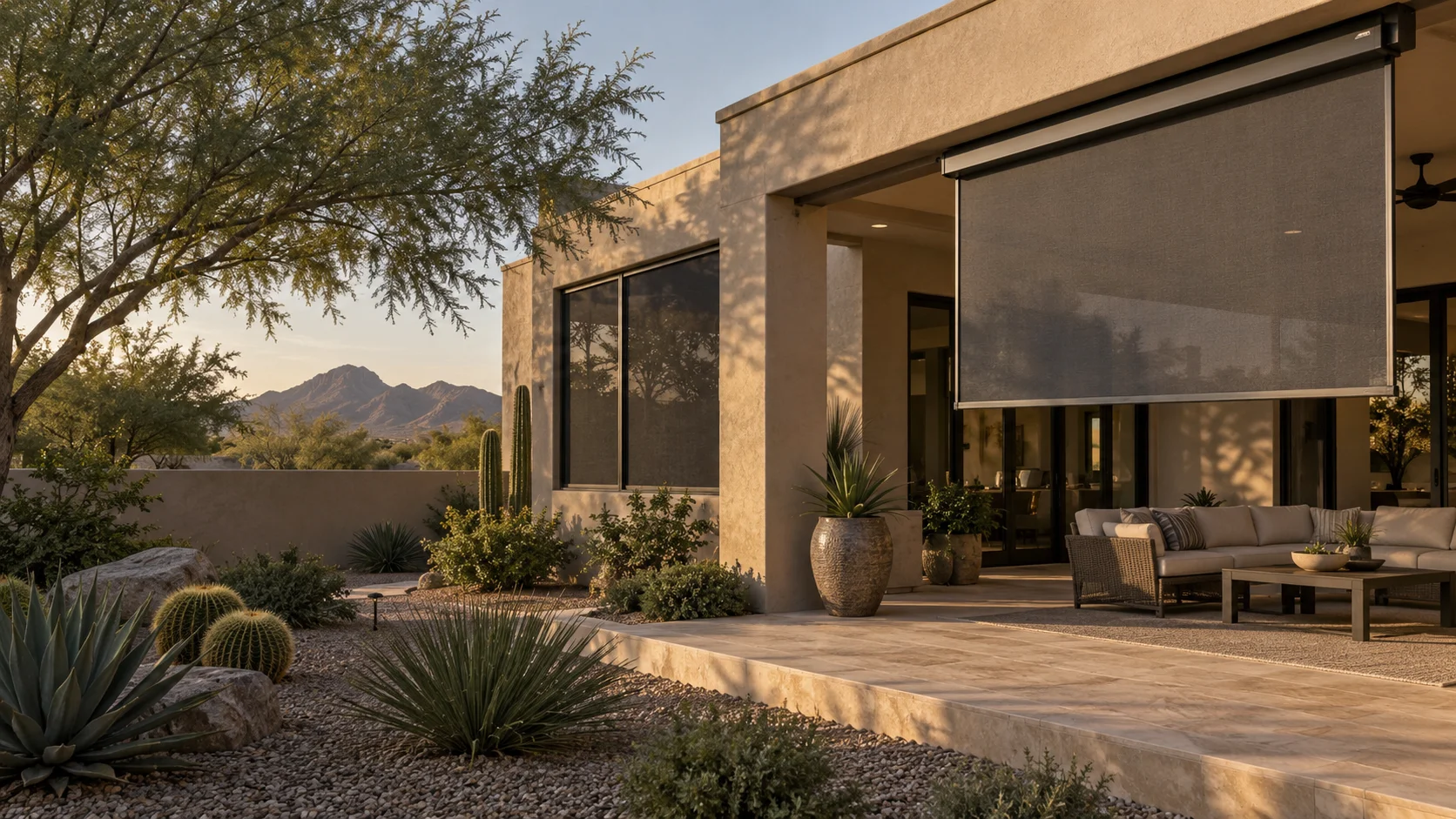
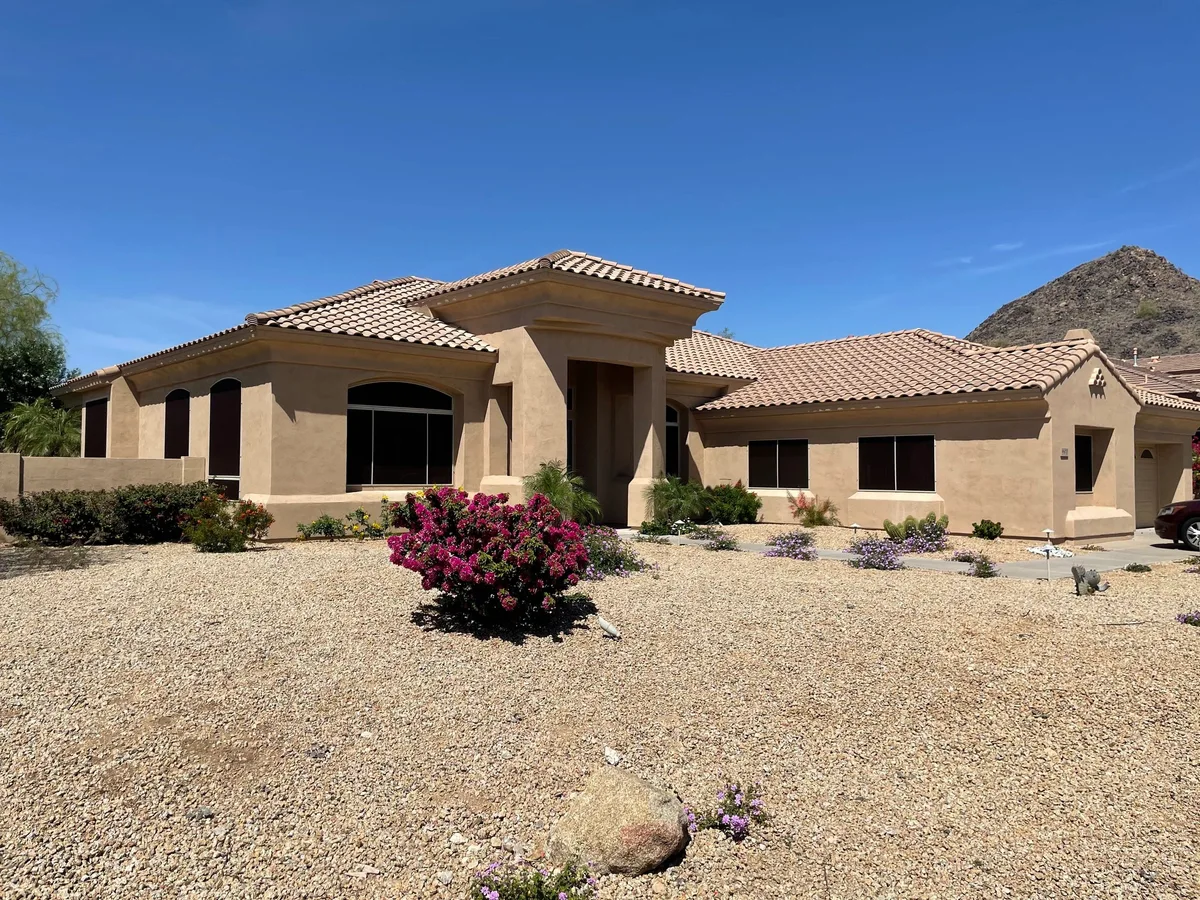
Window screens come in two main flavors. There are standard bug screens that keep pests out while your windows are open. And there are solar screens. thicker, darker mesh designed to block heat and glare. Brands like Phifer SunTex 80/90/95 are popular around Phoenix because they cut serious heat while still letting air move. They mount on the outside, usually with color-matched aluminum frames.
Window films are thin layers applied directly to the glass. Think of them as a permanent tint. High-quality films from 3M, Llumar, or SunTek reduce heat, glare, and UV. Some are almost clear; others are darker or reflective. You don’t see an added layer like a screen. you just see the glass itself looking toned or slightly mirrored, depending on the film.
Different tools, different strengths. You know what? That’s good news. It means you can match the fix to the problem.
Heat control in Phoenix: where the rubber meets the road
Our sun is no joke, especially on west-facing windows from May through September. Here’s how each solution tackles that blast.
Solar screens stop heat before it hits the glass. Because the mesh is outside, it shades the window and frame, which helps reduce heat transfer into the room. With SunTex 80 or 90, many homeowners see a major drop in room temperature on those hot walls. often the difference between constantly running the AC and feeling steady, even comfort.
Window films work by reflecting and absorbing solar energy right on the glass. Good films can reject a big chunk of heat and knock down that harsh glare, especially on south and west exposures. They’re great when you want to keep the glass clean-looking while still cooling the room.
Technical note for the detail-minded: exterior shading like solar window screens typically blocks a larger portion of solar heat gain than interior solutions because the energy never reaches the glass. High-performance films are strong contenders though, especially newer ceramic and spectrally selective options. For many Phoenix homes, exterior shade wins on raw heat reduction; films win on clarity and view. Different priorities, different winners.
Light, glare, and your view: how does it feel inside?
If you work from home or love a bright kitchen, glare matters. So does how your view looks. Camelback at sunset should still look like Camelback, right?
Window films shine here. They reduce glare while keeping a crisp, open view. If you want your great room to stay bright but not blinding during a weekday afternoon, a quality film is hard to beat. Watching the D-backs with less screen glare? Yes, please.
Solar screens lower brightness more noticeably and can add a light “screen door effect.” Most folks get used to it quickly, and many even prefer the softer, shaded view during peak sun. But if you love crystal clarity, film will probably feel more natural.
Privacy and curb appeal: what do neighbors see?
Daytime privacy is a sweet bonus in busy neighborhoods or along golf course fairways.
Solar screens provide strong daytime privacy. think of them like sunglasses for your windows. From the street, your home looks shaded and tidy. At night, with lights on, privacy drops (same as film), so you’ll still want blinds or drapes.
Window films can add mild privacy depending on the darkness and reflectivity. Subtle, non-mirrored films keep a clean facade. More reflective films create a modern, mirror-like look in daylight. One caveat: some HOAs have rules about reflective glass or dark front-facing treatments. If that’s you, we’re happy to help you pick HOA-friendly solar screens and colors that pass architectural review.
Ventilation, dust, and bugs: monsoon-season reality check
Cracking windows on a cool desert morning feels amazing. until a mosquito sneaks in or a haboob rolls through.
Ordinary insect mesh is not a rated air-cleaning or pollutant-filtration product. EPA separates source control, ventilation, and appropriate filtration; consider outdoor pollution when deciding whether to open windows.
Window films don’t change ventilation at all; the window still needs a screen if you plan to open it. If you always keep windows closed, film may be enough. If you like a breeze, screens are essential.
Energy savings and AC strain: lowering those SRP or APS bills
Cooling is the big ticket around Phoenix. Less heat through the glass means fewer compressor cycles and better comfort.
Solar screens in Phoenix can make rooms feel dramatically cooler because they shade the glass and frame. Many homeowners report needing fewer shades drawn during the day and less aggressive thermostat settings. That steady load reduction is kind to your AC.
Window films also lower cooling costs, especially on big panes that catch direct sun. Glare reduction helps too. when rooms feel calm and bright instead of harsh, you tend to leave shades up and lights off.
A quick money note: local utility rebates for shade screens or films come and go. It’s worth checking SRP or APS rebate pages before you start. Even without rebates, both solutions usually pay back faster on west walls and large glass areas.
Durability and maintenance: built for desert life
We’re hard on materials here: 110-degree summers, high UV, dust, and the occasional golf ball.
Solar screens use tough, UV-stable mesh and powder-coated frames. Expect 10-15 years from quality Products like Phifer SunTex with normal care. They’re easy to hose off. If you’ve got pets or kids that lean on lower screens, we can reinforce frames or recommend tougher mesh.
Window films have similar life spans when installed on the right glass with quality adhesives. You’ll clean them like regular glass but with soft cloths. no abrasives. One important caution: certain films aren’t recommended for some double-pane or tempered windows because of thermal stress. Reputable installers match film to glass type and carry glass-breakage warranties. If you’re not sure what glass you have, ask for a quick check before committing.
Cost snapshot around Phoenix
Numbers vary by window size, access, and product tier, but here’s a local ballpark per standard 3-by-5 window.
Compare the exact product, frame, controls, access, and installation scope in a written estimate. No universal price, unconfirmed product range, or automation compatibility is assumed here.
Honest take: solar window screens often win on value for west and south walls. Films are a strong choice for clean aesthetics, glare control, and preserved views.
When screens make more sense
- You love fresh air. Open windows without bugs, with real shade. no brainer.
- Your west wall bakes. Exterior shading blocks the punch before it reaches the glass.
- Your HOA allows screens but hates mirror-y glass. We color-match frames for curb appeal.
- You want daytime privacy. Darker solar mesh is like sunglasses for your house.
- Durability in dust and wind matters. Easy to clean, easy to repair if life happens.
Small side note: if you’ve got pets that like to lean or scratch, tell us. We can build tougher frames or suggest mesh grades that stand up better.
When films make more sense
- You want a clear view with less glare. Films tone down brightness without the “screen” texture.
- Your windows never open. If ventilation isn’t a thing, film may be all you want.
- You prefer a minimal look. No exterior frame, just cleaner-looking glass.
- You have big picture windows facing golf course views. Keep the view, tame the heat.
- Compare the exact material and installation scope before relying on a performance or price claim. The published operator range confirms SunTex 80/90, bug screening, TuffScreen and PetScreen options; other models, prices, compatibility, and results require their own confirmation.
One tip: ask your installer about glass type and warranty specifics. It’s boring, but it matters in our climate.
Common myths, quick truth check
- “Screens make rooms too dark.” On east and west exposures at peak sun, the shade feels great; rooms stay usable without blinds shut. On north windows, lighter mesh or standard bug screens may be wiser.
- “Films always look mirror-like.” Not anymore. Ceramic and spectrally selective films can be subtle and clear while still cutting heat and glare.
- “You can’t use screens with modern windows.” You can. custom frames and mounting hardware make it clean and secure.
- “Screens and films are either/or.” Sometimes a mix is perfect: solar screens on the brutal west wall, film on a shaded but glare-prone patio slider.
What Arizona Screen Company brings to the table
We’re locals, and we design for local sun. Arizona Screen Company builds and installs custom solar screens, bug screens, and color-matched frames across Phoenix, Scottsdale, Tempe, Chandler, Gilbert, Mesa, Peoria, and Glendale. We use proven materials like Phifer SunTex 80/90/95 because they hold up to UV and clean easily. We measure twice, build once, and install with clean lines that make HOAs happy.
Not sure whether screens or films suit your place? We’ll come out, check your exposures, talk about how you actually live in the space, and show samples. If film is the better call, we can recommend trusted film partners so you still get a solid, worry-free result. No pressure. just clear answers and straightforward pricing.
Ready to cut the heat and keep your view?
If you’re weighing window screens vs. window films, we’ll help you choose what truly fits your home. Call Arizona Screen Company at 480-771-2543 or Request a Free Quote. We’ll bring samples, measure your windows, and give you a plan that makes summer feel a whole lot easier. without giving up the view you love.
Apply it to your opening.
Compare Solar Screen Options for the product choices, fit, materials, and assessment relevant to this topic.
Installation and service are provided by Arizona Screen Techs. The written project scope confirms the exact product, access, and any applicable warranty.