
1. Address sunlight at the glass
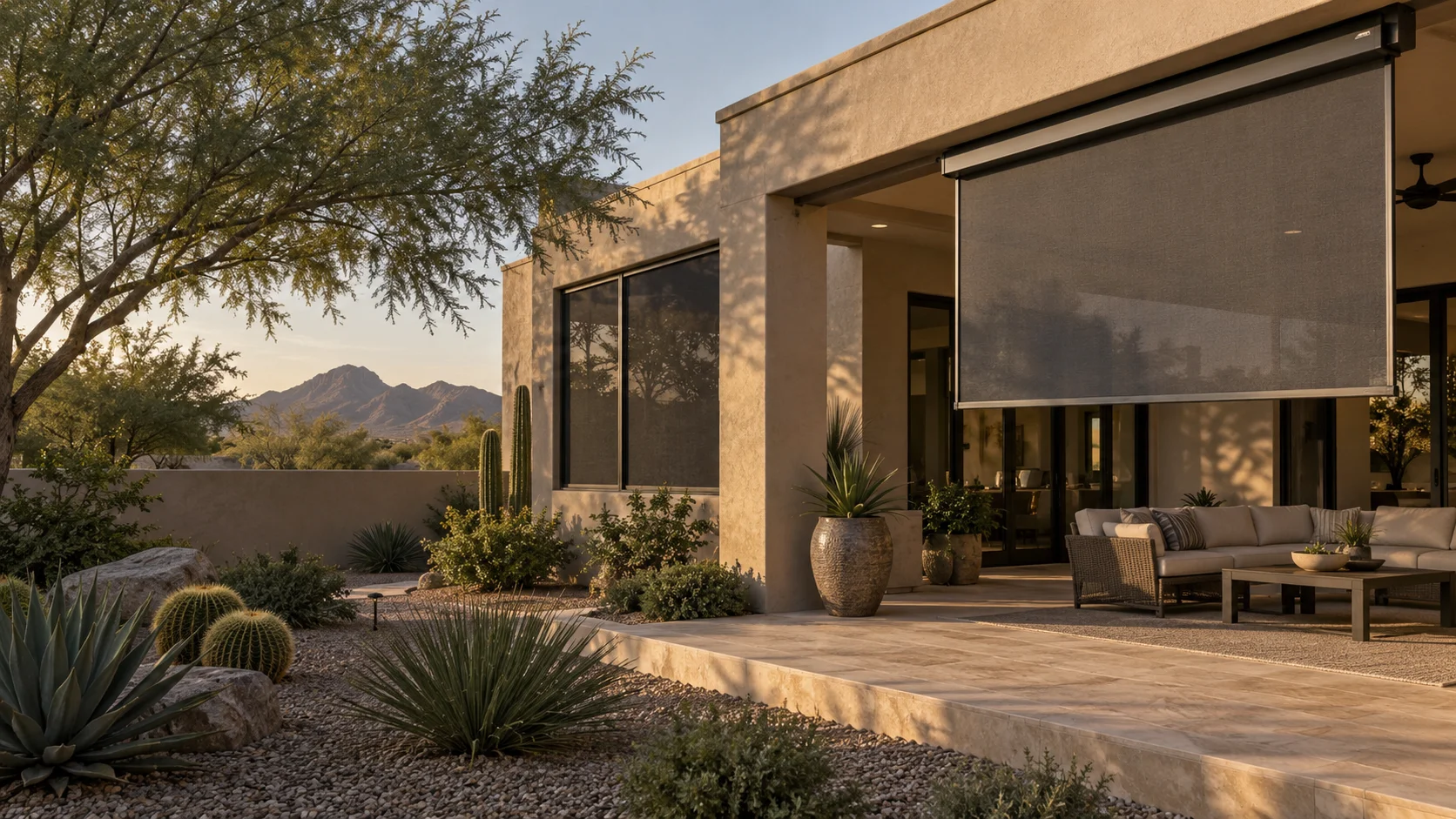
Exterior solar fabric is positioned outside the window. It offers a shading layer before sunlight reaches the glass, rather than replacing the window or changing its seal.
Describe which room becomes uncomfortable and the time it happens. Low afternoon sunlight and a shaded opening can require different recommendations. A city name alone does not identify that exposure.
DOE/LBNL attachment research considers climate, glazing, orientation, existing shade, and operation. It supports assessing those variables, not promising the same saving at every property.
2. Reduce distracting glare without guessing the view
Glare can make a living room or workspace harder to use even when the temperature is acceptable. Explain whether the difficulty is on a display, at a seating position, or across the room.
Look through a physical sample with the actual glazing behind it. Compare glare reduction with the daylight and outward view you want to keep. The densest-looking fabric is not automatically the right answer.
The SunTex 80/90 technical sheet lists light, UV, openness, and solar properties separately. Those measurements should not be treated as one percentage or a privacy rating.
3. Give different rooms different priorities
A sun-facing office and a lightly used shaded room may not need identical fabrics. Record when each space is used and which problem matters most.
Solar screening can affect daylight. If the room already feels dim, make that part of the discussion instead of selecting one dense fabric throughout the house.
Nighttime privacy is another decision. Interior lights can change what is visible from outdoors, so retain a separate covering plan where privacy after dark is important.
4. Reconsider worn mesh and the frame together
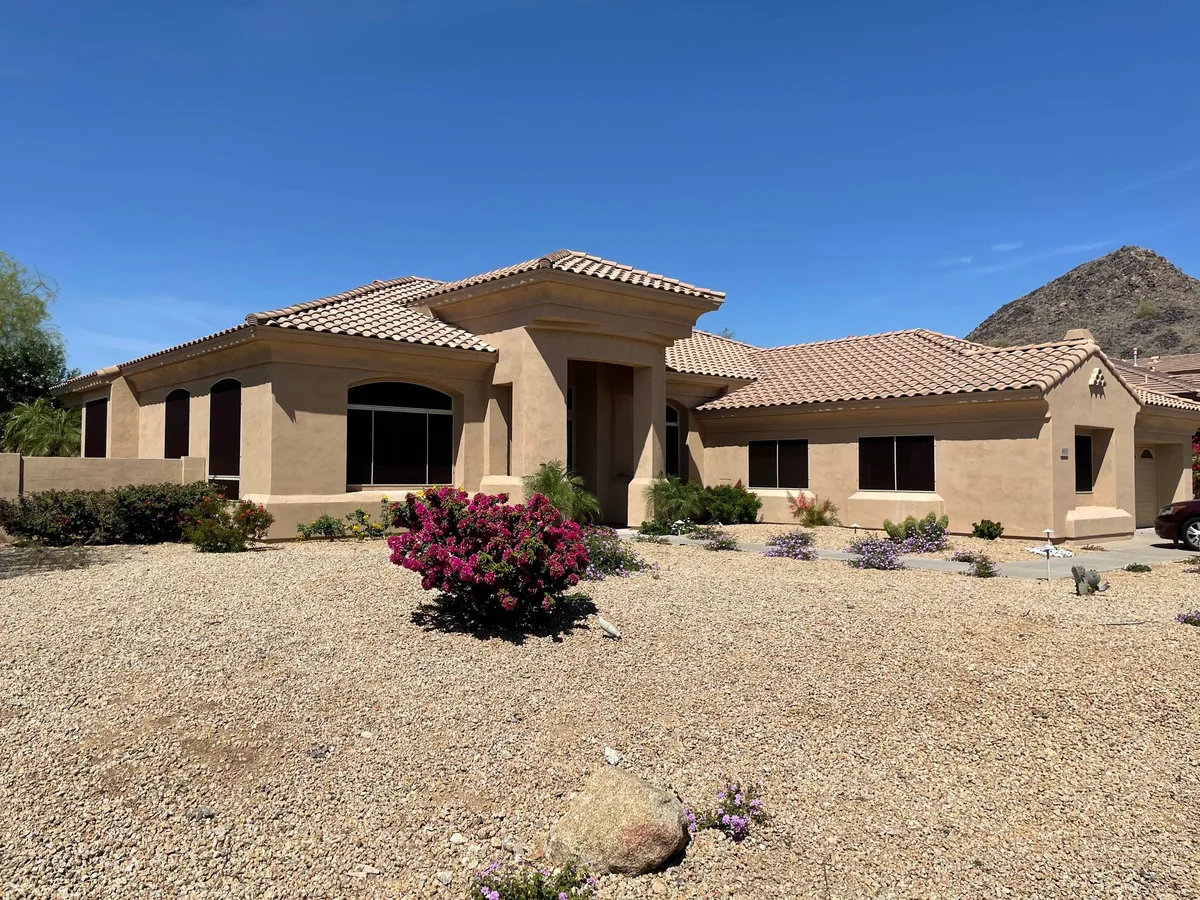
An old panel may need replacement because of a tear, loose edge, bent side, separating corner, or poor fit. Changing the fabric type can be useful only when the assembly remains appropriate.
A straight, sound frame may be rescreened. Damaged corners, incorrect sizing, or unsuitable mounting can make a complete replacement more sensible. Ask which components the estimate includes.
If an opening is high, shaped, or difficult to reach, discuss installation and future maintenance access before ordering. A new mesh sheet does not resolve those practical details.
5. Choose an exterior finish deliberately
The existing SunTex library shows beige, black, brown, dark bronze, grey, and stucco. Mesh color and frame finish are separate selections, with availability checked for the chosen system.
Compare samples against the trim from indoors and outside. Photographs and device brightness can shift the appearance. Obtain any required property approval before fabrication.
The dedicated solar-screen guide brings fabric, fitting, and estimate inputs together. Use it to plan the actual openings without treating screening as security, fall protection, or a guaranteed energy result.
Compare rooms before choosing one fabric
A sun-facing work area and an already shaded bedroom may not have the same priority. Compare a sample in each room from the normal seated position, at the time you want the change. Treat that as a planning comparison, not a documented job or a forecast of one energy result. Record whether the priority is glare, daylight, appearance or outward view.
Discuss the decision for each relevant opening before applying one density everywhere. The chosen fabric still needs its compatible frame and mounting, and final ordering sizes are confirmed for the assembly. If separate nighttime privacy or another protective purpose matters, keep it explicit rather than inferring it from the solar number or the look of a darker mesh.
- Room and normal use time
- Actual glare position
- Preferred daylight and outward view
- Sample and frame combination
- Separate privacy requirement
Apply it to your opening.
Compare the solar-screen fabric and fit for the product choices, fit, materials, and assessment relevant to this topic.
Installation and service are provided by Arizona Screen Techs. The written project scope confirms the exact product, access, and any applicable warranty.
Questions before you decide.
Does every house need solar screens?
No. Review the sunlight, glare, glazing, room use and existing shade before choosing.
Is the highest density always better?
Compare the physical sample for shade, daylight and outward visibility.
Can the old frame be reused?
Possibly, if it is sound, correctly fitted and compatible with the selected material.