
Shading and insulation are not the same job
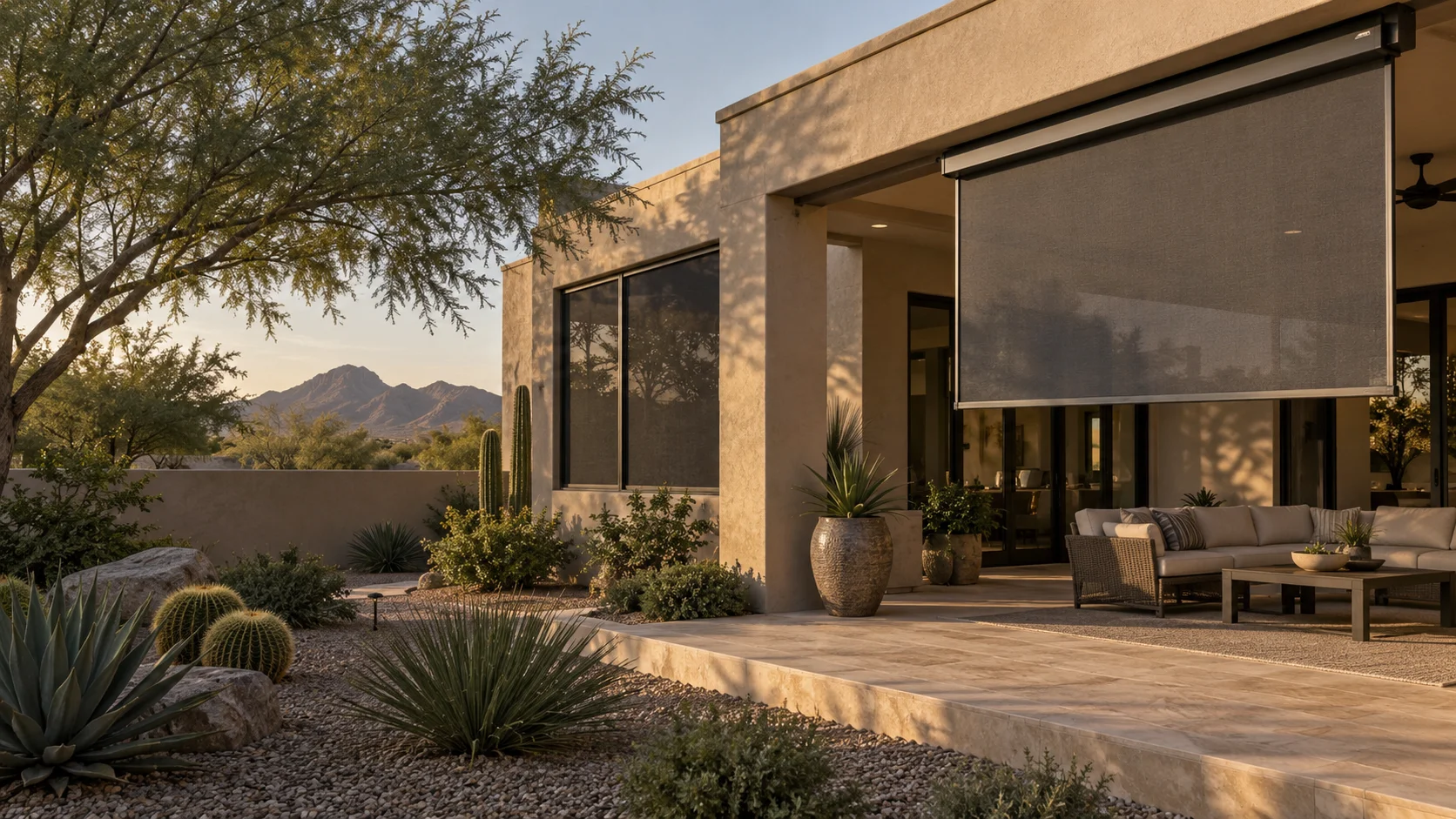
Exterior solar mesh can reduce the sunlight reaching a window. That shading purpose is different from improving the insulation or airtightness of the window assembly.
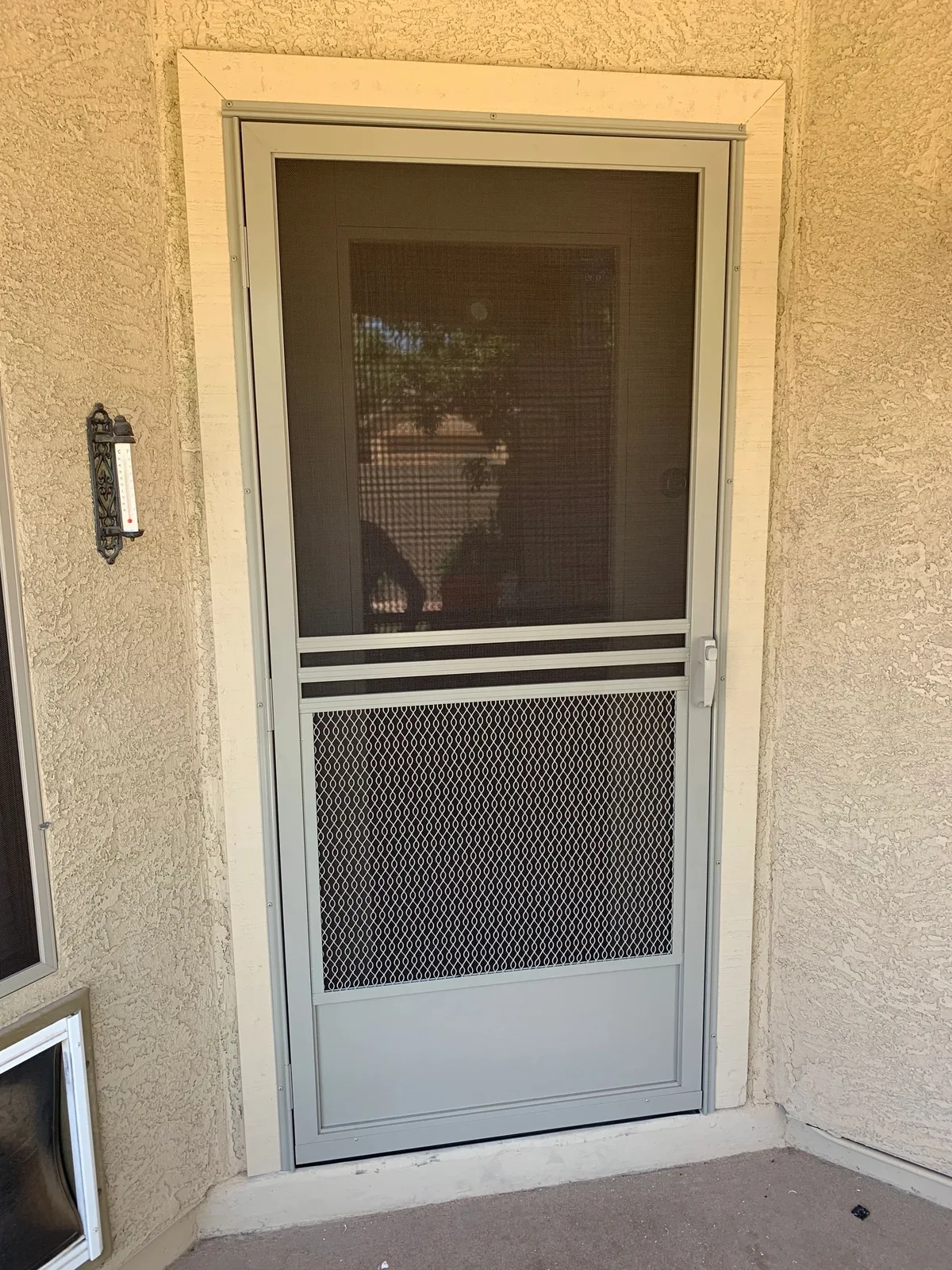
An ordinary insect screen is not an insulating window product. Claims that it traps warm indoor air or acts like a sealed thermal barrier should not be inferred from its presence.
If the actual problem is a failed seal, poor glazing, a damaged frame, or an air-leakage concern, those need an appropriate separate assessment. A new mesh panel does not automatically resolve them.
The home and the exposure change the result
A window’s direction, existing shade, glass, room use, and HVAC operation influence whether and when exterior shading is useful. Two openings in one home may have different needs.
DOE/LBNL’s window-attachment research models different products, climates, configurations, and operating states. Its study findings are not a promise that every screen or home has the same result.
Use the research to understand the variables. Do not convert a fabric name, a neighbor’s experience, or a single study case into a guaranteed household bill reduction.
Compare fabric, light, and the outward view
The confirmed solar range includes SunTex 80 and SunTex 90. The published technical sheet separates openness, visible transmission, UV performance, and solar properties.
An actual sample at the window helps you compare shade with the daylight and view you want to keep. Choosing the denser name by default can overlook the room’s use.
For a room used differently through the day, describe when glare or direct sun is uncomfortable. That information is more useful than selecting one fabric for the entire property without review.
| Question | Relevant check |
|---|---|
| Too much sunlight? | Window direction, time, and existing shade |
| Room too dark? | Actual sample, glazing and desired daylight |
| Winter heat loss? | The window/building and the relevant attachment type |
| High bills? | Multiple home and operating variables, not only mesh |
| Maintenance access? | Panel removal, cleaning and attachment method |
Seasonal use and maintenance
If you plan to remove or change a panel seasonally, confirm how it is detached, handled, stored, and refitted. The mounting method should suit that procedure.
A retractable shade has its own operating instructions and weather limits. Adjustable operation does not make it a storm barrier or establish an insulation rating.
Inspect mesh, corners, fixings, and fit when cleaning. A loose panel or damaged frame should not be left unresolved because the fabric still looks acceptable.
Define a realistic estimate
An estimate should identify the openings, selected material, frame, mounting, access, and installation scope. Approximate dimensions help start the discussion; final sizes are confirmed for the assembly.
Ask what the proposed screen will address and what lies outside the scope. A clear answer distinguishes solar shading from glazing, sealing, electrical, or structural work.
Where energy performance is a priority, keep the whole-house variables in view. Choose the screen for its documented material properties and the actual room, not an unsupported annual-savings promise.
Apply it to your opening.
Compare solar fabric, shade, and room use for the product choices, fit, materials, and assessment relevant to this topic.
Installation and service are provided by Arizona Screen Techs. The written project scope confirms the exact product, access, and any applicable warranty.
Questions before you decide.
Do insect screens insulate a house in winter?
Do not treat ordinary insect mesh as an insulating window attachment.
Does SunTex 90 mean my bill falls by 90%?
No. A product number is not a household energy-saving percentage.
Should I remove screens in winter?
That depends on the goals, window exposure, system, and removal procedure. Discuss the actual assembly rather than following a universal rule.
Can a screen fix an air leak?
The screen and the window’s sealing/building system are different scopes.